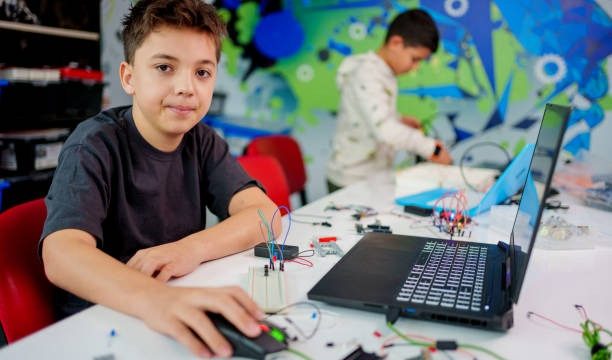
Encouraging students to take ownership of their learning is not just an educational goal; it’s a vital life skill that can shape their futures.
In a world that constantly evolves, fostering a sense of responsibility for one’s own education can empower students to navigate challenges and seize opportunities.
This journey toward self-directed learning begins with understanding the essence of ownership and how it can transform the educational experience.
A gentle nudge toward independence can make a significant difference in a student’s mindset. Ownership is about more than just completing assignments; it’s about engagement, curiosity, and the desire to explore. When students begin to take responsibility for their learning, they become more invested in their outcomes. This transformation can start with small, intentional shifts in the classroom environment. Creating spaces where students feel safe to express their thoughts and questions can spark their interest and motivate them to dive deeper into subjects.
One effective way to encourage this sense of ownership is by fostering a culture of inquiry. Instead of merely providing answers, educators can guide students to ask questions that lead to exploration. This approach invites students to become active participants in their learning journey. When they are encouraged to seek answers on their own, they develop critical thinking skills and a sense of accomplishment. It’s essential to create opportunities for discovery, allowing students to take the reins and pursue topics that resonate with their interests.
A supportive environment is key to nurturing this sense of ownership. Teachers can serve as facilitators rather than mere transmitters of knowledge. By stepping back and allowing students to take the lead, educators can cultivate a sense of trust and responsibility. This shift may involve providing choices in assignments or encouraging collaborative projects where students can work together to explore topics of mutual interest. When students feel that their voices are heard and valued, they are more likely to engage wholeheartedly in their learning.
Encouraging students to reflect on their learning experiences can also play a pivotal role in fostering ownership. Reflection allows them to assess their strengths and areas for improvement, creating a personalized learning path. By incorporating reflective practices, such as journals or discussions, students can articulate their thoughts and feelings about their educational journey. This self-awareness not only enhances their understanding of the material but also instills a sense of accountability for their progress.
A small shift toward balance can greatly influence a student’s ability to take ownership. Emphasizing the importance of a healthy relationship with learning can help students manage stress and maintain motivation. Encouraging breaks, mindfulness practices, or even engaging in creative outlets can provide a necessary balance to the academic rigor. When students learn to prioritize their well-being, they are better equipped to tackle challenges and embrace their learning journey with enthusiasm.
Partnerships between educators and parents can further enhance a student’s sense of ownership. When families are involved in their child’s education, it creates a supportive network that reinforces the importance of taking responsibility for learning. Regular communication, sharing successes, and discussing challenges can foster a collaborative spirit. By working together, parents and educators can empower students to take charge of their educational experiences and set meaningful goals.
As students begin to embrace ownership, it’s essential to celebrate their progress, no matter how small. Acknowledging achievements fosters motivation and reinforces the idea that their efforts matter. Simple gestures, like verbal praise or showcasing student work, can build confidence and encourage continued exploration. When students see that their hard work is recognized, it can inspire them to pursue their passions with renewed vigor.
Navigating the complexities of learning can sometimes feel overwhelming, but it’s important to remind students that mistakes are part of the process. Encouraging a growth mindset—where challenges are seen as opportunities for growth—can help students develop resilience. When they understand that failure is not a setback but rather a stepping stone toward success, they are more likely to take risks in their learning. This mindset shift can be transformative, allowing students to approach new concepts with curiosity rather than fear.
Incorporating technology into the learning process can also play a significant role in fostering ownership. Digital tools can provide students with access to a wealth of resources, enabling them to explore topics independently. Online platforms allow for personalized learning experiences, where students can progress at their own pace. This autonomy can enhance their motivation and engagement, encouraging them to take charge of their educational journeys.
As students learn to navigate their own paths, it’s essential for educators to continue providing guidance and support. Regular check-ins and open lines of communication can help students stay on track while still allowing them the freedom to explore. This balance of independence and support is crucial in fostering a sense of ownership that empowers students to take charge of their learning.
Encouraging ownership of learning is a journey that requires patience, understanding, and nurturing. By creating a supportive environment, fostering inquiry, and celebrating progress, we can help students develop a lifelong love of learning. As they embrace responsibility for their education, they not only prepare themselves for academic success but also for the challenges and opportunities that lie ahead. In a world that is ever-changing, the ability to learn independently is a gift that will serve them well throughout their lives.