In the bustling world of education, teachers play a vital role that often transcends the mere transfer of knowledge.
They are not just conveyors of facts but also the architects of imagination, guiding students to explore the realms of creativity and possibility.
This gentle nurturing of the mind is where the magic happens, and it is through various approaches and interactions that teachers inspire their students to dream, create, and innovate.
A nurturing environment is essential for fostering imagination. When students feel safe and valued, they are more likely to express their thoughts and ideas freely. Teachers who cultivate this kind of atmosphere encourage students to take risks in their thinking, to ask questions that spark curiosity rather than fear. By creating a classroom where mistakes are seen as opportunities for growth, teachers help students develop a mindset that embraces exploration. This shift towards a more open and accepting learning space can significantly enhance a student’s imaginative capabilities.
The power of storytelling cannot be overstated when it comes to inspiring imagination. Teachers have the unique ability to transport their students to distant lands, introduce them to fascinating characters, and immerse them in rich narratives that ignite their creativity. Through literature, teachers can spark discussions that allow students to envision their own stories, encouraging them to think outside the box. By engaging students in storytelling exercises, whether through writing their own tales or acting out scenes, teachers help them tap into their creative potential. This connection between literature and imagination is a beautiful dance that can awaken a love for learning.
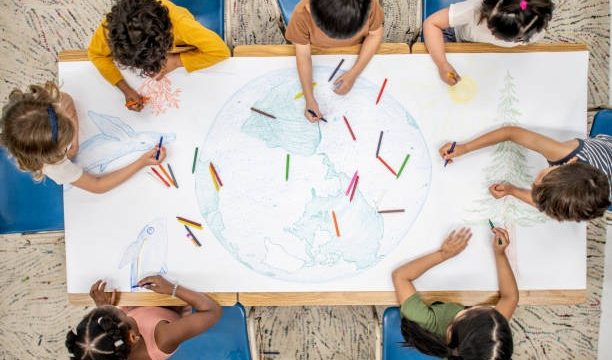
Moreover, teachers who incorporate art and creative expression into their curriculum provide students with an outlet for their imaginations. Whether through drawing, painting, music, or drama, these activities allow students to express themselves in ways that words sometimes cannot capture. A simple art project can turn into a profound exploration of emotions, ideas, and experiences. When teachers encourage students to express their thoughts through different mediums, they unlock pathways to creativity that can lead to unexpected discoveries. This not only enriches their educational experience but also fosters a sense of individuality and self-confidence.
Another significant aspect of inspiring imagination lies in the way teachers connect subjects to real-world experiences. When students see the relevance of what they are learning, they are more likely to engage with the material on a deeper level. Integrating hands-on projects, field trips, or community engagement into lessons helps students visualize concepts and see their application in everyday life. For instance, a science lesson about ecosystems can come alive through a visit to a local nature reserve, allowing students to witness the beauty of biodiversity firsthand. These experiences can spark curiosity and encourage students to think critically about the world around them, fueling their imaginative explorations.
Collaboration is another key ingredient in the recipe for inspiring imagination. When teachers foster a spirit of teamwork among students, they create an environment where ideas can flourish. Group projects allow students to share their unique perspectives, learn from one another, and build upon each other’s ideas. This collaborative effort can lead to innovative solutions and creative outcomes that might not have emerged in isolation. Teachers who encourage this kind of teamwork not only enhance the learning experience but also help students develop essential social skills that will benefit them throughout their lives.
It’s also worth noting that the influence of a teacher extends beyond the classroom walls. Many educators take the time to connect with their students on a personal level, understanding their interests, dreams, and aspirations. This compassionate approach can profoundly impact a student’s self-perception and motivation. When a teacher believes in a student’s potential, it can ignite a spark that propels them to pursue their passions and strive for excellence. This mentorship relationship is invaluable, as it instills a sense of purpose and direction, encouraging students to dream big and think creatively.
In the ever-evolving landscape of education, the integration of technology has opened new avenues for imaginative exploration. Teachers who embrace digital tools can enhance their lesson plans and provide students with innovative ways to create and collaborate. From virtual reality experiences that transport students to historical events to online platforms that allow for creative expression, technology can play a pivotal role in inspiring imagination. Educators who stay abreast of these advancements and incorporate them thoughtfully into their teaching can captivate their students in ways that were once unimaginable.
As we reflect on the profound impact that teachers have on student imagination, it becomes clear that their role is multifaceted. They are guides, mentors, and catalysts for creativity. Through nurturing environments, storytelling, artistic expression, real-world connections, collaborative efforts, personal engagement, and the integration of technology, teachers create a rich tapestry of experiences that inspire students to reach for the stars.
Ultimately, the influence of a teacher can extend far beyond the confines of a classroom. The seeds of imagination planted today can grow into a lifetime of creativity, innovation, and exploration. When students are encouraged to dream and think outside the box, they are equipped to navigate the complexities of the world with confidence and creativity. In this way, teachers not only inspire imagination but also shape the future, one student at a time.
In a world that often emphasizes the importance of standardized testing and measurable outcomes, it is essential to remember the beauty of imagination and creativity. It is through these lenses that students can discover their passions, connect with others, and contribute meaningfully to society. Teachers, with their unwavering dedication and love for learning, are the guiding lights that illuminate this path, inspiring generations to come.