In today’s ever-evolving educational landscape, the integration of diverse resources into lesson plans has become a hallmark of effective teaching.
Educators are not just tasked with imparting knowledge; they are also responsible for creating engaging learning experiences that inspire curiosity and foster a love for learning.
As we navigate this journey, it’s important to recognize how we can seamlessly weave various educational resources into our lesson plans, enhancing both teaching and learning.
A gentle shift toward variety
Incorporating a range of educational resources can breathe new life into your lessons. Textbooks, while foundational, often represent just one way of exploring a topic. By integrating videos, podcasts, interactive online platforms, and even community resources, you can create a more dynamic and holistic learning environment. For instance, if you’re teaching a unit on ecosystems, consider using a documentary film that showcases different habitats, complemented by a podcast featuring interviews with environmentalists. This variety not only caters to different learning styles but also encourages students to engage with the material in multiple ways.
Connecting with the real world
One of the most powerful ways to enrich your lesson plans is by connecting classroom learning to real-world experiences. Field trips, guest speakers, or virtual tours can transform abstract concepts into tangible understanding. When students see how their lessons apply outside the classroom, it deepens their appreciation and interest. Imagine discussing historical events and then inviting a local historian to share personal stories or artifacts. This connection not only enhances understanding but also fosters a sense of community and belonging among students.
Creating a collaborative atmosphere
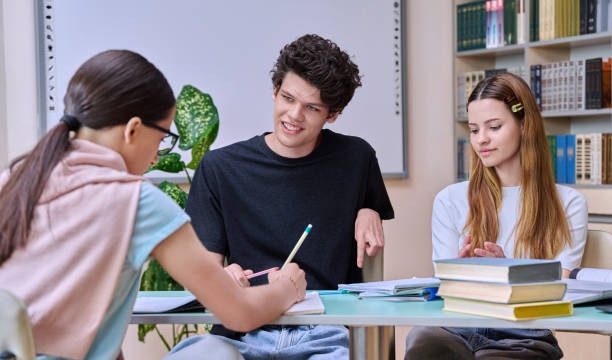
Collaboration is key in any educational setting, and integrating resources can encourage teamwork among students. Group projects that require students to research various resources, such as books, articles, and online databases, can promote collaboration and communication. By working together, students learn valuable skills that extend beyond academics. They also support each other in their learning journey, creating a classroom culture where questions and exploration are welcomed.
Incorporating technology mindfully
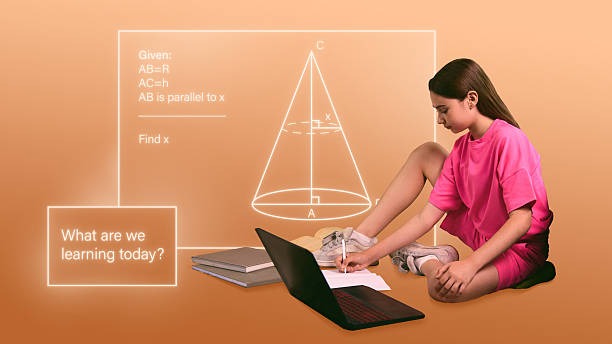
In our digital age, technology serves as a treasure trove of educational resources. However, it’s essential to integrate technology mindfully, ensuring that it enhances rather than distracts from learning. Using educational apps, online quizzes, or interactive simulations can make complex subjects more accessible. For example, a mathematics lesson can be enriched by using an app that allows students to visualize concepts through interactive graphs and models. The key is to balance technology with traditional teaching methods, creating a harmonious blend that caters to all learners.
Encouraging student choice
Empowering students to select their own resources can lead to increased motivation and ownership of their learning. Providing options for research topics, project formats, or even the types of resources they wish to explore can spark enthusiasm. When students choose what they want to learn about and how they want to present it, they are more likely to engage deeply with the material. This approach also cultivates critical thinking skills, as students must evaluate the credibility and relevance of their chosen resources.
Fostering a growth mindset
Integrating educational resources into lesson plans also presents an opportunity to foster a growth mindset among students. When they encounter challenges while exploring new resources, it’s important to encourage resilience and problem-solving. Sharing stories of famous figures who faced obstacles in their learning can inspire students to view challenges as opportunities for growth. By modeling a positive attitude toward learning and resource exploration, you create a classroom environment where curiosity thrives.
Nurturing creativity and exploration
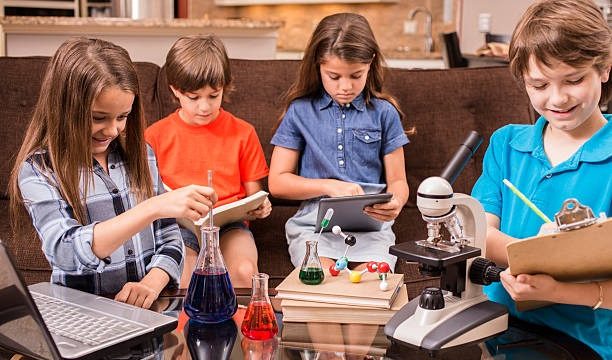
Creativity should be at the heart of any lesson plan. Integrating resources that encourage artistic expression, such as art supplies, music, or drama, can enhance learning across subjects. For instance, after studying a literary piece, students might create a visual representation of its themes through drawing or acting out scenes. Such activities not only make learning fun but also allow students to express their understanding in unique ways, catering to their individual strengths.
Reflecting on the integration process
As you begin to integrate various resources into your lesson plans, it’s essential to reflect on the effectiveness of your approach. Gathering feedback from students can provide valuable insights into what works and what doesn’t. Encourage open discussions where students can share their thoughts on the resources used and how they contributed to their learning. This reflection not only helps you improve your lesson plans but also teaches students the importance of self-assessment and growth.
Finding balance in your approach
As with any aspect of teaching, balance is crucial. While integrating diverse resources is valuable, it’s important to ensure that the core objectives of your lesson remain clear. Too many resources can overwhelm students, so aim for a thoughtful selection that aligns with your learning goals. A well-planned lesson that integrates a few carefully chosen resources often proves more effective than an overloaded one. Strive for a rhythm that allows students to explore deeply without feeling rushed or scattered.
Celebrating achievements together
Finally, integrating educational resources into lesson plans is not just about the process; it’s also about celebrating achievements along the way. Acknowledging milestones, whether big or small, fosters a sense of accomplishment and motivation. Create opportunities for students to showcase their work, whether through presentations, exhibitions, or collaborative projects. Celebrating these achievements reinforces the value of their learning journey and encourages them to continue exploring new ideas and resources.
In conclusion, the integration of educational resources into lesson plans is a thoughtful and enriching process. By embracing variety, connecting to the real world, fostering collaboration, and encouraging creativity, educators can create vibrant learning experiences that resonate with students. As you embark on this journey, remember that each resource you integrate is a stepping stone toward a more engaging and meaningful educational experience. With a gentle touch and an open heart, you can inspire a love for learning that lasts a lifetime.