In recent years, the conversation around education has shifted significantly, moving toward a more personalized approach that caters to the unique needs of each student.
This transformation reflects a broader understanding that every learner is different, with their own strengths, weaknesses, interests, and learning styles.
Rather than a one-size-fits-all model, personalized education offers a tailored experience, creating an environment where students can thrive.
The essence of personalized education lies in its adaptability. Traditional methods often emphasize standardization, leaving little room for individual expression or learning preferences. In contrast, personalized education encourages a more dynamic interaction with learning material. By focusing on the individual, educators can foster a sense of ownership and engagement that is often lacking in conventional classrooms.
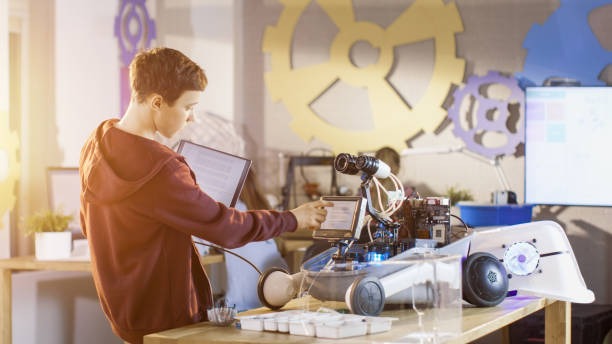
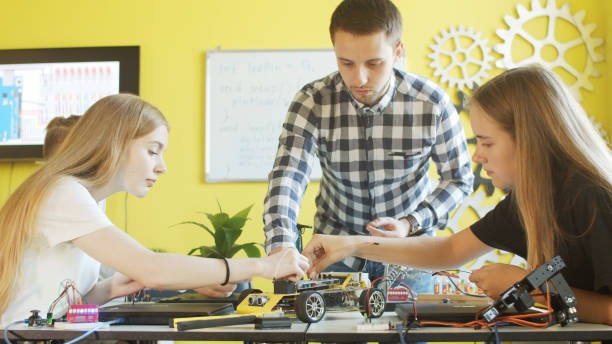
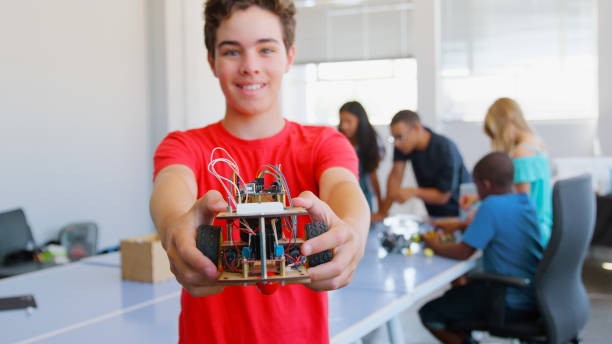
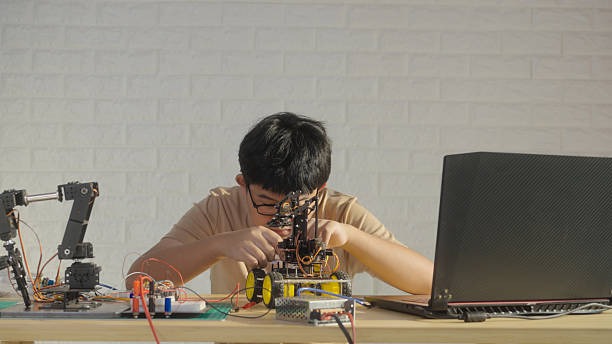
A small shift toward balance can make a world of difference in a student’s educational journey. Imagine a classroom where lessons are designed not just to impart knowledge, but to resonate with the students’ interests. A student passionate about art might explore historical events through creative projects, while another who loves technology could engage with math through coding. This flexibility allows for deeper understanding and retention of information, as learning becomes relevant to the student’s life.
Beyond academic performance, personalized education nurtures emotional and social development. Students are encouraged to express themselves, collaborate with peers, and develop critical thinking skills. This holistic approach to education recognizes that learning is not just about grades, but about growing as a person. When students feel seen and valued, they are more likely to develop a love for learning that extends beyond the classroom walls.
The role of technology in personalized education cannot be overlooked. With the advent of digital tools and platforms, educators can now access a wealth of resources tailored to various learning styles. Online assessments can help identify a student’s strengths and weaknesses, enabling teachers to create customized lesson plans that address specific needs. Additionally, educational apps and interactive platforms provide opportunities for students to engage with material in ways that resonate with them personally.
Creating a supportive learning environment is essential for personalized education to flourish. This means fostering open communication between teachers, students, and parents. When everyone is on the same page, it becomes easier to identify challenges and celebrate successes. Regular check-ins and feedback sessions can help ensure that students feel supported in their learning journey. It’s about building a community that values growth and encourages curiosity.
For parents, navigating the landscape of personalized education can feel overwhelming. However, being involved in your child’s educational experience can be incredibly rewarding. Taking the time to understand their interests and learning preferences can help you advocate for their needs. Whether it’s discussing their progress with teachers or exploring extracurricular activities that align with their passions, your involvement can make a significant difference.
Moreover, personalized education can often lead to improved mental health outcomes for students. When learners are engaged and motivated, they are less likely to experience feelings of anxiety or frustration often associated with traditional education models. This shift towards a more individualized approach can foster resilience and a positive mindset, equipping students with the tools they need to face challenges both in and out of the classroom.
As we look toward the future, the potential for personalized education is vast. It encourages innovation, creativity, and a deeper understanding of the world. Schools that embrace this model are not just preparing students for tests; they are preparing them for life. By prioritizing individual learning experiences, we can cultivate a generation of thoughtful, engaged, and well-rounded individuals.
In many ways, personalized education reflects a broader societal shift towards valuing diversity and individuality. Just as we celebrate the unique qualities that make us who we are, so too should we honor the different ways in which we learn. This approach not only enriches the educational experience but also prepares students to thrive in an increasingly complex and interconnected world.
Ultimately, personalized education is about empowerment. It places the student at the center of their learning experience, allowing them to explore, question, and grow in ways that resonate with their personal journey. By fostering a culture of curiosity and adaptability, we can help students develop a lifelong love for learning that serves them well beyond their school years.
As we continue to navigate this evolving landscape, it is essential to remember that education is a shared journey. Teachers, parents, and students all play a pivotal role in creating an enriching environment where personalized education can thrive. By working together, we can cultivate a learning experience that not only meets the needs of individual students but also celebrates the beauty of diversity in thought and expression.
In conclusion, the path toward personalized education is not just about techniques or tools; it’s about creating a warm, inclusive atmosphere where every learner feels valued. By embracing the unique qualities of each student, we can transform education into a joyful exploration of knowledge, creativity, and self-discovery. As we look ahead, let’s continue to champion personalized education and nurture the brilliant minds of tomorrow.