Exploring alternative education can feel like stepping into a vibrant world filled with possibilities.
It’s a journey that many families are embarking on, seeking a path that resonates with their values and nurtures their children’s unique potentials.
Whether you’re a parent considering this route or someone simply curious about the myriad options available, this exploration can be both enlightening and rewarding.
The beauty of alternative education lies in its diversity. From Montessori and Waldorf schools to homeschooling and unschooling, the choices can seem overwhelming at first glance. Yet, this variety also allows for a tailored approach that can cater to individual learning styles and needs. Embracing this flexibility can lead to a more fulfilling educational experience for both students and parents.
A gentle introduction to alternative education might begin with a little research. Reading books, attending workshops, or browsing online resources can provide insights into various philosophies and methodologies. Each approach has its own rhythm and philosophy, but they often share a common thread: a focus on the whole child. This holistic perspective emphasizes emotional, social, and intellectual growth, allowing learners to explore their interests at their own pace.
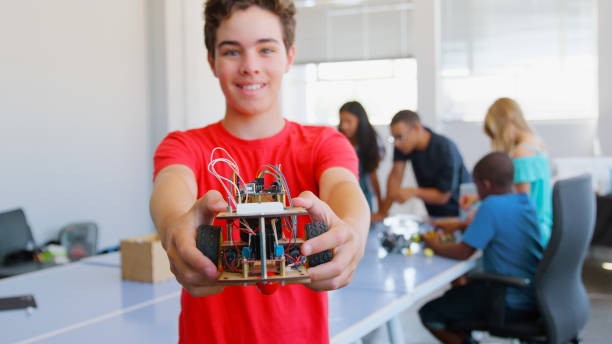
One of the most inviting aspects of alternative education is the emphasis on experiential learning. Rather than being confined to traditional classroom settings, students often engage in hands-on activities that encourage exploration and creativity. Imagine a child learning about nature not through textbooks but through outdoor adventures, observing ecosystems firsthand, or even participating in community gardening projects. This kind of learning fosters a deep connection to the world around them, igniting curiosity and a love for discovery.
As you delve deeper into alternative education, consider the power of community. Connecting with like-minded families can provide support and inspiration. Local co-ops or educational groups often host meet-ups, workshops, and field trips, creating a sense of belonging. These interactions can enrich the educational experience, allowing children to learn collaboratively and parents to share resources and ideas. Finding community is about building relationships that uplift and empower, creating a nurturing environment for everyone involved.
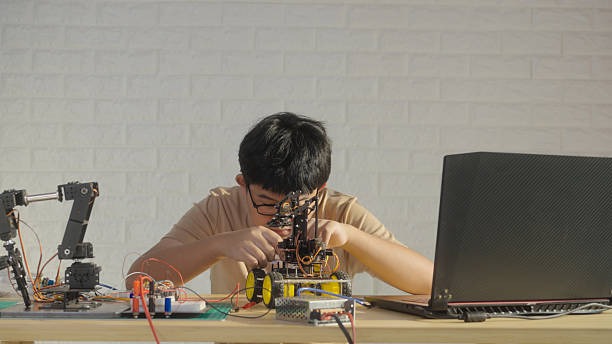
Another avenue to explore is the concept of self-directed learning. This approach places the responsibility for learning in the hands of the student, encouraging them to pursue subjects that genuinely interest them. It fosters independence, critical thinking, and problem-solving skills, preparing learners for the complexities of life beyond academics. Imagine a teenager diving deep into coding because they are passionate about technology, or a young child mastering art techniques because they love to express themselves creatively. These moments of self-discovery can be profound and transformative.
While exploring alternative education, it’s essential to maintain a sense of balance. It’s easy to become overwhelmed by the myriad options and philosophies. Take a step back and reflect on what feels right for your family. Consider each child’s unique personality and learning style. A small shift toward balance might involve integrating some alternative methods into traditional schooling or blending various approaches to create a personalized experience. Remember, there is no one-size-fits-all solution; the journey is as unique as each child.
Incorporating alternative education doesn’t mean abandoning traditional subjects altogether. Many families find joy in blending the two worlds, offering a rich tapestry of learning experiences. For instance, a child might explore mathematical concepts through cooking, measuring ingredients, and understanding ratios, all while enjoying the process. This blend allows for a more organic understanding of subjects, making learning feel less like a chore and more like an adventure.
As you navigate this journey, don’t underestimate the importance of flexibility. Life is unpredictable, and educational paths may ebb and flow. What works one year may not be the best fit the next. Embracing this fluidity can lead to unexpected discoveries and growth. It’s perfectly okay to reassess and change direction if something isn’t resonating. This adaptability reflects a core principle of alternative education: honoring each child’s evolving needs and interests.
Celebrating achievements, both big and small, can also enhance the alternative education experience. Acknowledging milestones, whether it’s mastering a new skill or completing a project, fosters a sense of accomplishment and motivation. Creating a family culture that values learning in all its forms—be it through art, science, or social skills—can instill a lifelong love for knowledge.
As you explore alternative education, take time to reflect on your values and aspirations for your child’s education. What do you hope they will gain? What skills do you believe are essential for their future? Engaging in open conversations with your child about their interests and aspirations can provide valuable insights and guidance. This partnership can empower them to take ownership of their education, fostering a sense of responsibility and self-motivation.
The journey into alternative education can be as fulfilling as it is transformative. It invites families to step outside the conventional box and explore a world where learning is dynamic, engaging, and deeply personal. By embracing the diversity of educational philosophies, seeking community connections, and maintaining a balance that feels right, you can create a nurturing environment that truly celebrates the unique journey of each learner.
Ultimately, this exploration is about more than just education; it’s about cultivating a love for learning that lasts a lifetime. As you embark on this journey, remember to be patient with yourself and your child. The path may have its twists and turns, but with an open heart and a curious mind, every step can lead to beautiful discoveries. Embrace the adventure, and watch as your child flourishes in a world of endless possibilities.