In today’s fast-paced world, the landscape of education is evolving at an unprecedented rate.
One of the most significant changes we’ve seen is the rise of e-learning, a trend that has not only transformed the way students learn but also how teachers engage with their students.
As we explore the myriad ways e-learning helps educators reach more students, it becomes clear that this digital shift is not just a trend but a vital tool for fostering connection, understanding, and growth in the classroom.
E-learning provides an expansive platform for teachers, allowing them to extend their reach beyond the traditional classroom walls. With the ability to create and share resources online, educators can connect with students from different backgrounds, locations, and learning styles. This accessibility is particularly beneficial for those who may have previously felt marginalized in standard educational settings. Whether it’s a student in a rural area with limited access to resources or one who thrives in a non-traditional learning environment, e-learning opens doors to a more inclusive educational experience.
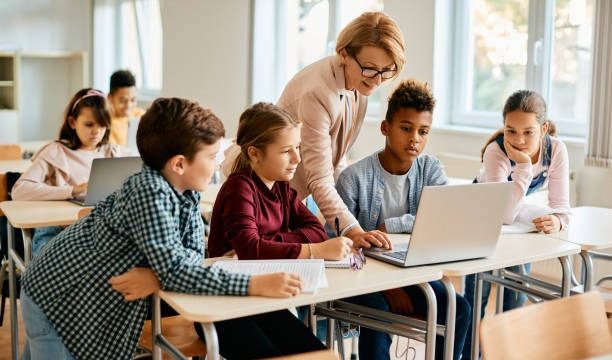
The flexibility that comes with e-learning is another compelling aspect for both teachers and students. In a conventional classroom, the pace and structure of lessons must cater to the collective group, often leaving some students behind while others race ahead. E-learning allows educators to tailor their content and teaching methods to fit individual needs. Students can learn at their own pace, revisiting materials as necessary, while teachers can provide targeted support to those who need it most. This personalized approach nurtures a deeper understanding of the material and promotes a more fulfilling learning experience.
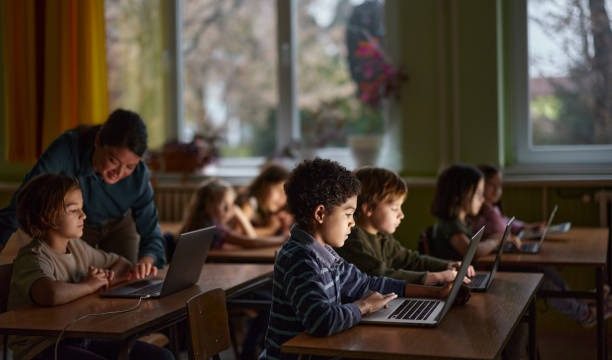
A small shift toward balance is evident as e-learning encourages a blended approach to education. Teachers can incorporate technology into their lesson plans without completely abandoning traditional methods. This hybrid model not only enhances engagement but also equips students with essential digital skills they will need in the modern workforce. By combining face-to-face interaction with online resources, educators can create a more dynamic learning environment that resonates with today’s tech-savvy generation.
Moreover, e-learning fosters a sense of community among students and teachers alike. Online platforms often provide spaces for collaboration, discussion, and peer interaction. This interconnectedness can break down barriers and create a supportive atmosphere where students feel comfortable sharing ideas and seeking help. Teachers can facilitate discussions through forums, group projects, or virtual classrooms, promoting a sense of belonging that may be challenging to achieve in a traditional setting. This nurturing environment encourages students to participate actively, enhancing their learning experience and building confidence.
The beauty of e-learning lies in its ability to provide a wealth of resources at the fingertips of both teachers and students. With just a few clicks, educators can access a treasure trove of materials, from videos and articles to interactive quizzes and forums. This abundance of resources not only enriches lesson plans but also inspires creativity and innovation in teaching methods. Teachers can experiment with different approaches, utilizing multimedia tools to present information in engaging ways that resonate with diverse learners. This exploration can lead to a more vibrant and effective educational experience.
Additionally, e-learning empowers teachers to stay connected with their students outside of traditional hours. With the help of online platforms, educators can offer support, feedback, and encouragement at any time. This accessibility can bridge the gap for students who may need extra help or clarification on a topic. The ability to reach out and communicate in real-time fosters a sense of security and support, ensuring that students never feel alone in their educational journey.
As we embrace this new era of education, it’s essential to recognize the role of continuous professional development for teachers. E-learning provides myriad opportunities for educators to enhance their skills and knowledge. Online courses, webinars, and virtual workshops allow teachers to stay updated with the latest educational trends and technologies. This ongoing learning not only enriches their teaching practice but also translates into better support for their students. When educators feel confident and empowered, their enthusiasm for teaching becomes contagious, inspiring students to engage more deeply with their learning.
The potential for e-learning to reach more students extends beyond the classroom, impacting families and communities as well. Virtual learning environments can involve parents in the educational process, allowing them to engage with the material and support their children’s learning at home. This partnership between teachers and families fosters a holistic approach to education, creating a supportive network that benefits students in numerous ways.
In conclusion, the rise of e-learning has opened up a world of possibilities for educators and students alike. By embracing technology, teachers can reach more students, providing personalized, flexible, and inclusive learning experiences. The ability to connect, collaborate, and create a sense of community in virtual spaces enriches the educational journey for everyone involved. As we continue to navigate this evolving landscape, it’s clear that e-learning is not just a temporary solution but a vital component of modern education, helping teachers inspire and empower the next generation of learners. In this way, the future of education shines brighter than ever, promising a more connected and enriched learning experience for all.