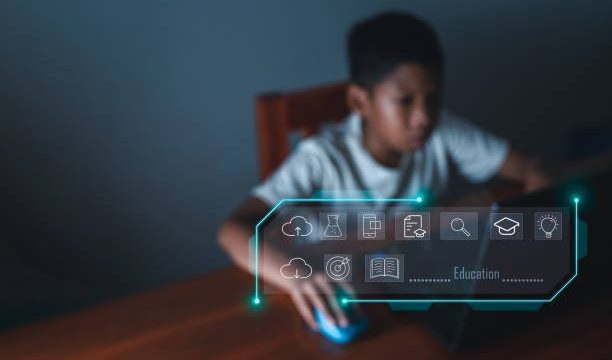
In recent years, online education has transformed the way we approach learning, offering a flexible and accessible alternative to traditional classroom settings.
This shift has not only redefined educational landscapes but has also fostered a culture of independent learning.
As we delve into the nuances of online education, we discover how it nurtures self-sufficiency, adaptability, and a lifelong love of learning.
The essence of independent learning lies in the ability to take charge of one’s educational journey. Online education empowers students to tailor their experiences according to their individual needs and preferences. With a wealth of resources available at their fingertips, learners can explore subjects at their own pace, diving deep into topics that pique their interest. This autonomy encourages a sense of ownership over their education, fostering intrinsic motivation that may not always flourish in traditional settings.
A gentle shift toward balance is often necessary in this journey. Online platforms provide a variety of learning formats, from video lectures to interactive webinars and discussion forums. This diversity allows students to choose methods that resonate with their personal learning styles. For instance, visual learners may thrive in video-based courses, while auditory learners might prefer podcasts or live discussions. By presenting multiple avenues for engagement, online education supports learners in discovering what works best for them, enhancing their ability to study independently.
The flexibility inherent in online education also plays a significant role in cultivating independent learners. Gone are the days of rigid schedules and fixed classroom hours. Students can now carve out their own study times, fitting learning into their lives in a way that suits them. This adaptability not only respects individual circumstances but also encourages learners to develop self-discipline and time management skills. As they navigate their schedules, they learn to prioritize tasks, set goals, and follow through, all essential components of independent learning.
As students embark on their online learning journeys, they often encounter challenges that require problem-solving and critical thinking. This aspect of online education is vital in fostering independence. When faced with a difficult concept or a technical issue, learners must take the initiative to seek solutions. Whether it’s engaging with online communities, reaching out to instructors, or conducting independent research, these experiences sharpen their ability to tackle obstacles head-on. The skills developed in these moments extend beyond the virtual classroom, preparing students for real-world scenarios where resourcefulness and resilience are paramount.
In addition to personal growth, online education fosters a sense of community among independent learners. While the format may feel solitary at times, many platforms encourage collaboration through discussion boards and group projects. These interactions allow students to share insights, ask questions, and learn from one another, creating an enriching environment that enhances their educational experience. This sense of belonging, even in a virtual space, can significantly boost motivation and engagement, reinforcing the idea that independent learning does not equate to isolation.
A key component of fostering independence is the cultivation of curiosity. Online education encourages learners to ask questions, explore beyond the curriculum, and pursue knowledge driven by their interests. This thirst for understanding can lead to deeper engagement with subjects, as students are motivated to uncover connections and explore new ideas. In a world that is constantly evolving, nurturing curiosity is essential for lifelong learning, ensuring that individuals remain adaptable and open-minded throughout their lives.
As we explore the impact of online education on independent learning, we also recognize the importance of self-reflection. The virtual classroom encourages students to assess their progress regularly, identifying strengths and areas for improvement. This practice of self-evaluation promotes a growth mindset, where learners view challenges as opportunities for development rather than obstacles. By reflecting on their experiences, students become more self-aware and equipped to make informed decisions about their educational paths.
While online education offers numerous advantages, it is essential to acknowledge the need for balance. With the freedom to learn independently comes the responsibility to stay motivated and engaged. Students must cultivate self-discipline to avoid distractions and ensure they remain committed to their studies. This balance can be achieved by creating a conducive learning environment, setting clear goals, and establishing routines that support their educational aspirations.
In the realm of online education, technology plays a pivotal role in enhancing the learning experience. With an array of tools available, students can access resources, track their progress, and connect with peers and instructors seamlessly. This technological integration not only makes learning more efficient but also encourages learners to become proficient in digital literacy—an increasingly vital skill in today’s job market. As they navigate various platforms and tools, students develop confidence in their abilities, reinforcing their independence.
Ultimately, the journey of independent learning through online education is a deeply personal one. Each student’s experience is shaped by their unique circumstances, interests, and aspirations. As they embrace the opportunities that online education presents, they embark on a path of self-discovery and growth. The skills and habits cultivated during this journey will serve them well beyond their formal education, empowering them to navigate the complexities of life with confidence and resilience.
In conclusion, online education is much more than a means to acquire knowledge; it is a powerful catalyst for fostering independent learning. Through personalized experiences, flexibility, and the nurturing of curiosity, students develop essential skills that will benefit them throughout their lives. As we continue to explore the evolving landscape of education, it is clear that the future of learning is not only about gaining information but also about empowering individuals to take charge of their educational journeys. In this new era, independence is not just a goal but a way of life, encouraging learners to embrace their potential and pursue their passions with confidence.