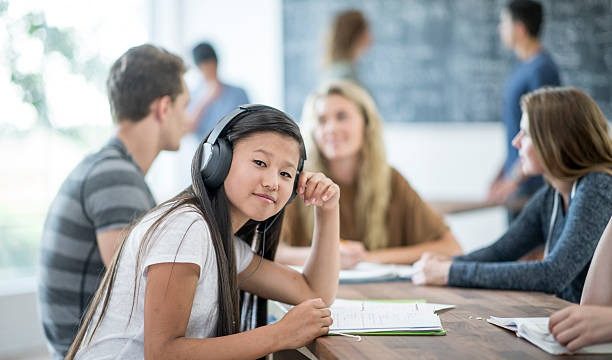
In today’s fast-paced world, the way we approach education is evolving.
The traditional model of passive learning, where students sit and absorb information, is giving way to a more dynamic form of engagement known as active learning.
This approach encourages students to participate, interact, and immerse themselves in their educational journey. If you’re looking to choose educational resources that support this vibrant method of learning, you’re in the right place. Let’s explore how to navigate this landscape with intention and care.
Understanding active learning is the first step toward making informed choices about educational resources. At its core, active learning is about fostering an environment where students take responsibility for their own learning. This means engaging with the material in a hands-on way, whether through discussions, collaborative projects, or experiential activities. When students are active participants, they not only retain information better but also develop critical thinking and problem-solving skills that are essential for life beyond the classroom.
When seeking out resources that promote active learning, consider the type of engagement they encourage. Look for materials that invite interaction rather than passivity. For example, books that include discussion questions or activities at the end of each chapter can prompt students to reflect and apply what they’ve learned. Interactive websites and educational apps that require users to solve problems or create projects can also spark interest and encourage exploration.
Another key aspect of selecting educational resources is alignment with students’ interests and learning styles. Each learner is unique, and what resonates with one may not connect with another. Take the time to understand the preferences of the students you’re supporting. Are they visual learners who thrive on diagrams and videos? Perhaps they prefer auditory materials, such as podcasts or lectures. By choosing resources that align with their preferences, you’re more likely to foster an engaging and supportive learning environment.
As you sift through the myriad of educational tools available, it’s important to prioritize quality over quantity. There are countless resources out there, but not all of them will be effective in promoting active learning. Look for materials that have been thoughtfully designed with educational principles in mind. Resources created by educators and experts in the field often have a depth of understanding about how students learn best. Seek out reviews, testimonials, and recommendations from trusted sources to guide your selections.
A small shift toward collaboration can also enhance the active learning experience. Resources that encourage group work or peer-to-peer interaction can create a sense of community among learners. Think about incorporating materials that require students to work together on projects or engage in discussions. This not only fosters deeper understanding but also builds essential social skills. Group activities can be particularly powerful, as they allow students to learn from one another and approach problems from multiple perspectives.
Incorporating technology into the learning process can also be a game changer. Digital resources often offer interactive elements that traditional materials cannot. Online platforms can provide simulations, games, and virtual labs that immerse students in the subject matter. While technology can enhance learning, it’s essential to strike a balance. Ensure that the technology you choose complements the learning objectives rather than distracts from them. Mindfully integrating these tools can create a rich and engaging educational experience.
Another consideration when choosing educational resources is their adaptability. Look for materials that can be tailored to different learning levels and paces. Resources that offer a variety of approaches—such as visual aids, hands-on activities, and written components—can cater to diverse learners. This flexibility allows students to engage with the material in a way that feels comfortable and effective for them, fostering a sense of ownership over their learning journey.
As you explore various resources, don’t hesitate to incorporate elements of play. Learning doesn’t have to be a serious endeavor; in fact, play can be a powerful facilitator of active learning. Resources that incorporate gamification, such as quizzes or challenges, can make the learning process feel more enjoyable and less daunting. This playful approach can motivate students to dive deeper into the material and explore new concepts with enthusiasm.
It’s also important to consider the long-term impact of the resources you choose. Seek out materials that not only support immediate learning goals but also instill a love for lifelong learning. Resources that encourage curiosity, creativity, and critical thinking will serve students well beyond their current educational pursuits. Aim for a selection of tools that inspire students to ask questions, seek answers, and explore new ideas independently.
Finally, remember the power of reflection. After engaging with various resources, take time to assess their effectiveness. Encourage students to reflect on their experiences and share feedback on what worked well and what could be improved. This practice not only helps in refining your resource choices but also empowers students to take an active role in their own education.
Choosing educational resources that support active learning is a journey, one that requires thoughtfulness and intention. By understanding the principles of active learning, considering the needs of your learners, and embracing a variety of approaches, you can create a rich tapestry of educational experiences that inspire and engage. As you embark on this path, remember that the ultimate goal is to foster a love for learning that lasts a lifetime, empowering students to navigate their own educational journeys with confidence and curiosity.