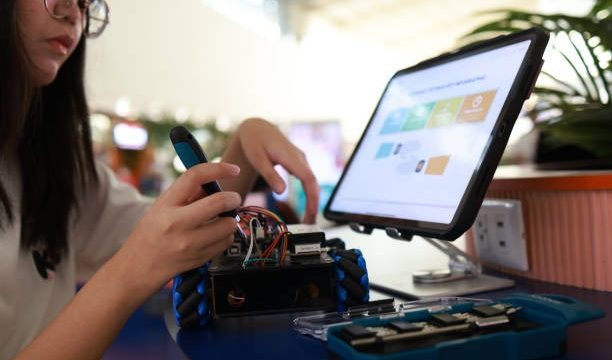
Creating memorable lessons is an art form that can transform the educational experience for every learner.
When we think about what makes a lesson memorable, it often boils down to connection, creativity, and engagement.
In a world where information is abundant and distractions are everywhere, finding ways to make learning stick can be both a challenge and a joy. Here, we explore gentle approaches to crafting lessons that resonate with students, leaving lasting impressions that extend beyond the classroom walls.
A warm welcome to curiosity
Every learner enters the classroom with unique backgrounds, experiences, and interests. To make lessons memorable, it’s essential to welcome this diversity. Start by fostering an environment where curiosity is celebrated. Encourage students to ask questions, express their thoughts, and share their insights. When learners feel valued and heard, they are more likely to engage with the material and with each other.
Creating a sense of belonging can also enhance the learning experience. Consider incorporating icebreakers or group discussions that allow students to connect on a personal level. When learners see themselves reflected in the curriculum, they are more likely to invest in their education and retain what they learn.
A small shift toward balance
Incorporating a balance of activities in your lessons can make a significant difference in how learners absorb information. Too often, lessons can feel one-dimensional, focusing heavily on lectures or rote memorization. Instead, think about blending various teaching methods. This might include hands-on activities, group projects, or creative assignments that allow students to explore concepts in different ways.
For instance, if you’re teaching a science lesson, consider integrating a simple experiment where students can observe principles in action. Alternatively, if discussing historical events, encourage learners to create a visual timeline or a short play that brings the past to life. By diversifying the approach, you cater to different learning styles, ensuring that each student can connect with the material in a way that resonates with them.
Embracing storytelling
Storytelling is a powerful tool in education. People are naturally drawn to stories; they evoke emotions and create connections. By weaving narratives into your lessons, you can capture your learners’ attention and make complex concepts more relatable.
For example, instead of merely presenting facts about a historical figure, share a story that illustrates their challenges, triumphs, and humanity. This approach can help students see the relevance of what they are learning, igniting their interest and curiosity. When learners can relate to the content on a personal level, they are more likely to remember it.
Inviting creativity into the mix
Creativity can breathe life into lessons, making them not only memorable but also enjoyable. Allowing students to express their understanding through creative projects can foster a deeper connection to the material. Whether it’s through art, music, or writing, encouraging creative expression can lead to greater retention of information.
Consider giving students the freedom to choose how they want to demonstrate their understanding of a topic. They might create a poster, write a poem, or even produce a short video. This flexibility not only makes learning more engaging but also empowers students to take ownership of their education.
Cultivating reflection
Reflection is a crucial component of the learning process. Taking time to pause and think about what has been learned can reinforce knowledge and promote a deeper understanding. At the end of a lesson, consider inviting students to share their thoughts on what resonated with them or what they found challenging.
Encouraging journaling is another effective way to foster reflection. Students can jot down their insights, questions, or even doodles related to the lesson. This practice not only helps solidify their learning but also provides a personal space for them to explore their thoughts and feelings about the subject matter.
Building connections beyond the classroom
To make lessons truly memorable, it’s important to connect the material to the real world. When learners can see the relevance of what they are studying, they are more likely to engage deeply. Bring in current events, local issues, or even personal stories that relate to the lesson. This not only contextualizes the information but also helps students understand its significance in their lives.
Consider inviting guest speakers or organizing field trips that align with your curriculum. These experiences can provide fresh perspectives and inspire learners by showing them the practical applications of their studies. By bridging the gap between classroom learning and the outside world, you create a richer educational experience.
Nurturing a growth mindset
Finally, fostering a growth mindset within your classroom can enhance the learning experience for all students. Encouraging learners to view challenges as opportunities for growth rather than obstacles can transform their approach to education. Celebrate effort, resilience, and progress, rather than solely focusing on grades or outcomes.
When students understand that learning is a journey filled with ups and downs, they are more likely to take risks and embrace new ideas. This shift in perspective not only makes the learning process more enjoyable but also cultivates an environment where mistakes are seen as valuable stepping stones rather than failures.
In conclusion, making lessons memorable for every learner is about embracing diversity, creativity, and connection. By fostering an environment that welcomes curiosity, balances activities, and encourages reflection, you can create a rich educational experience that resonates with students on multiple levels. As you weave storytelling, creativity, and real-world connections into your lessons, you’ll find that learning becomes not only memorable but also transformative. Ultimately, it’s about nurturing a love for learning that lasts a lifetime.