In today’s fast-paced world, the landscape of education is constantly evolving, making it essential for students to adapt and explore various educational resources.
Encouraging students to engage with these resources not only enhances their learning experience but also empowers them to take ownership of their education.
By nurturing curiosity and fostering a supportive environment, educators, parents, and mentors can significantly influence how students interact with the wealth of knowledge available to them.
Creating a welcoming atmosphere is the first step toward encouraging exploration. When students feel comfortable in their learning environment, they are more likely to seek out new resources. This can be achieved by fostering open communication, where students know they can ask questions without fear of judgment. By encouraging dialogue, educators can help students identify their interests and curiosities, guiding them to resources that resonate with their personal learning styles.
A gentle introduction to various educational tools can spark interest and excitement. With the vast array of resources available today, from online databases to interactive learning platforms, students may feel overwhelmed. To ease this transition, educators can curate a selection of resources that cater to different subjects and learning preferences. By presenting these tools in a relatable manner, students can feel more inclined to explore them. It’s also beneficial to highlight the benefits of using these resources, such as gaining deeper insights, enhancing critical thinking skills, and fostering a love for lifelong learning.
Encouraging students to set personal learning goals can also be a transformative practice. When students have a clear objective, they are more likely to seek out resources that align with their aspirations. Educators can guide students in setting achievable goals, whether it’s mastering a particular skill or exploring a new subject area. By regularly revisiting these goals, students can track their progress and celebrate their achievements, no matter how small. This practice not only boosts motivation but also instills a sense of responsibility for their own learning journey.
A small shift toward balance can make a significant difference in how students perceive educational resources. Often, the pressure to perform academically can overshadow the joy of learning. Encouraging students to view educational resources as tools for exploration rather than mere means to an end can help cultivate a more positive attitude towards learning. By integrating creative approaches, such as project-based learning or collaborative group work, students can experience the joy of discovery and innovation. This not only makes learning more enjoyable but also encourages them to explore a wider range of resources.
The role of mentorship cannot be understated in this journey. Having a mentor who is passionate about learning can inspire students to explore educational resources more freely. Mentors can share their own experiences with various tools and techniques, demonstrating the value of exploration. This connection can foster a sense of trust and encouragement, prompting students to step outside their comfort zones. Whether it’s a teacher, a family member, or a community leader, having a supportive figure can make a world of difference in a student’s willingness to explore.
Incorporating technology into the learning process can also enhance students’ engagement with educational resources. With the rise of digital platforms, students have access to a wealth of information at their fingertips. Introducing them to educational apps, online courses, and virtual libraries can make learning more dynamic and interactive. However, it’s essential to guide students in navigating these digital landscapes. Teaching them how to discern credible sources from unreliable ones is a crucial skill that will serve them well beyond their academic years.
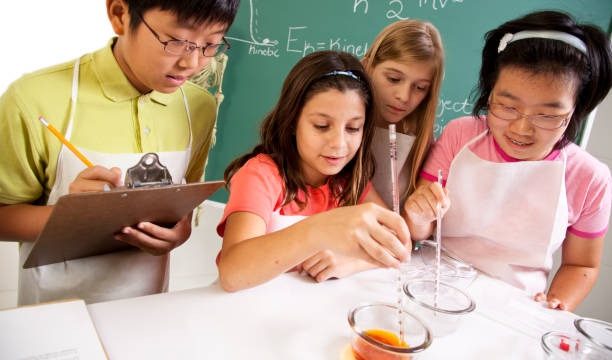
Creating opportunities for hands-on learning can further encourage students to delve into educational resources. Engaging in activities that allow them to apply what they’ve learned not only reinforces their understanding but also makes the learning process more tangible. Whether it’s through experiments, field trips, or community projects, these experiences can spark curiosity and motivate students to seek out additional resources related to their interests. The thrill of discovery in a real-world context can be incredibly empowering.
Celebrating diversity in learning styles is another key aspect of encouraging exploration. Every student has a unique way of absorbing information, and recognizing this can help tailor the educational experience to their needs. Providing a variety of resources—such as visual aids, auditory materials, and interactive tools—can cater to different preferences and encourage students to experiment with what works best for them. When students feel that their individual learning styles are acknowledged, they are more likely to engage with resources that resonate with them.
As students begin to explore educational resources, fostering a growth mindset is essential. Encouraging them to view challenges as opportunities for growth can lead to a more resilient approach to learning. When students understand that setbacks are a natural part of the learning process, they are more likely to seek help from resources rather than shy away from them. This mindset can be cultivated by praising effort rather than just results and by sharing stories of perseverance in the face of challenges.
Finally, it’s important to remind students that learning is a lifelong journey. Encouraging them to adopt a curious mindset can instill a love for exploration that lasts well beyond their school years. By exposing them to various resources and experiences, they can develop the skills necessary to seek out knowledge independently. This sense of autonomy in learning not only prepares them for academic success but also equips them with the tools to navigate the complexities of life.
In conclusion, encouraging students to explore and use educational resources effectively is a multifaceted endeavor that requires a nurturing and supportive approach. By creating a welcoming atmosphere, introducing diverse resources, setting personal goals, and fostering a growth mindset, we can empower students to take charge of their learning journeys. With the right guidance and encouragement, students can unlock their potential and discover the joy of exploration in education.