Finding educational resources for science experiments and projects can be an enriching journey, both for students and parents alike.
In a world brimming with information, it can sometimes feel overwhelming to sift through the options.
Yet, the process of discovery can be quite rewarding, offering opportunities for learning, creativity, and even family bonding. Here are some gentle suggestions for navigating this quest.
Exploring local libraries is a wonderful first step. Libraries are treasure troves of knowledge and often have dedicated sections for science and educational resources. Many libraries host workshops or science fairs, providing a platform for young minds to engage with science in a hands-on way. Speaking with a librarian can also uncover hidden gems—books, magazines, and even online databases that might not be immediately visible. This is an excellent way to cultivate a love for reading and learning, while also finding reliable resources for projects.
The internet, a vast ocean of information, offers a multitude of resources tailored to different age groups and learning styles. Websites like NASA’s education portal or National Geographic provide a wealth of activities, videos, and articles designed to spark curiosity. When exploring online, it’s essential to focus on reputable sites that prioritize educational content. Look for platforms that are backed by educational institutions or renowned organizations. This ensures that the information is not only accurate but also engaging and age-appropriate.
Another enriching avenue is to connect with local science museums or community centers. Many of these places offer workshops, demonstrations, and interactive exhibits that can inspire new ideas for experiments. Engaging with knowledgeable staff can provide insight into current scientific trends and how they can be translated into hands-on projects. Plus, the excitement of visiting a museum can ignite a passion for science that extends far beyond the walls of the classroom.
Collaborating with teachers can also open doors to valuable resources. Educators often have access to a variety of materials and networks that can enhance students’ learning experiences. They can recommend specific experiments aligned with the curriculum, provide access to classroom kits, or even suggest local events that showcase scientific endeavors. Building a relationship with teachers fosters a supportive learning environment and can lead to discovering resources that might not be widely known.
As you navigate this journey, consider joining online forums or local clubs focused on science education. These communities often share resources, tips, and personal experiences that can be incredibly helpful. Engaging in discussions can also introduce you to new perspectives and innovative project ideas that you might not encounter in traditional settings. Whether it’s exchanging ideas with fellow parents or chatting with educators, these connections can enrich your understanding and enjoyment of science.
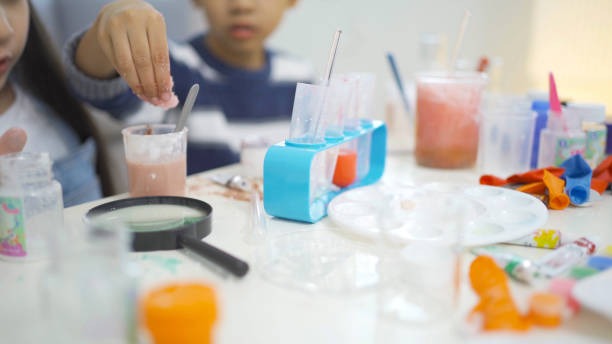
Don’t forget about the power of experimentation at home. Simple household items can often be transformed into tools for scientific exploration. For example, kitchen ingredients can be used to create fun chemistry projects, while nature walks can inspire biology experiments. Encouraging a spirit of inquiry at home allows for spontaneous learning moments that can be just as impactful as formal resources. This approach nurtures creativity and critical thinking, inviting children to ask questions and seek answers in their everyday lives.
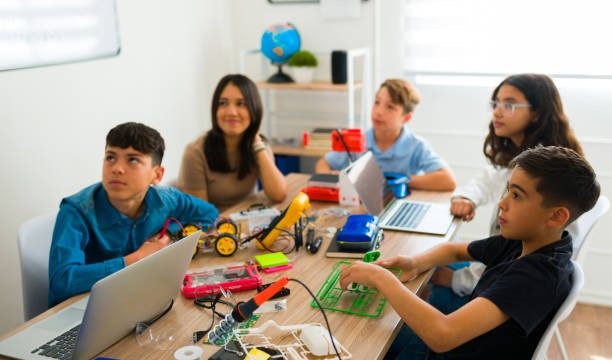
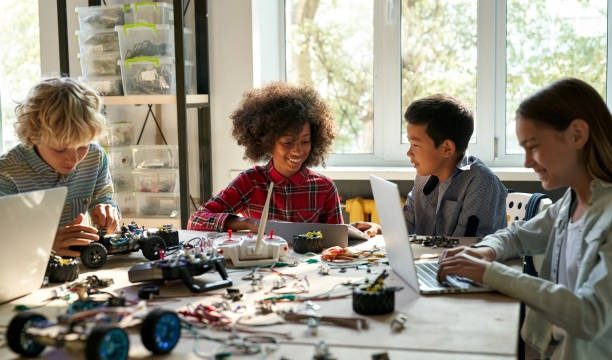
Exploring educational kits can also be a delightful way to engage with science. Many companies offer subscription boxes or one-time kits filled with materials and instructions for experiments. These kits often cover a range of topics, from physics to biology, making it easy to find something that piques interest. They provide a structured approach to experiments, which can be particularly helpful for those who may feel unsure about how to start. Plus, the excitement of receiving a package filled with scientific tools can motivate young learners to dive into the world of discovery.
As you seek out resources, remember the importance of tailoring projects to the individual interests and abilities of the learner. Every child is unique, and what excites one may not resonate with another. Taking the time to understand their passions can lead to more meaningful and engaging projects. Whether it’s a fascination with space, a love for animals, or an interest in technology, aligning experiments with personal interests makes the learning experience more enjoyable and impactful.
It can also be beneficial to embrace the beauty of trial and error. Science is inherently about exploring the unknown, and not every experiment will succeed on the first try. Encouraging resilience and a positive attitude towards mistakes can foster a growth mindset. Celebrating the process of exploration—rather than just the end result—teaches valuable lessons about persistence and curiosity. This mindset will serve learners well, not just in science, but in all aspects of life.
Finally, consider documenting the journey. Keeping a science journal can be a wonderful way to reflect on experiments, jot down observations, and track progress. This practice not only reinforces learning but also cultivates a sense of achievement. Looking back at past projects can inspire future inquiries and remind learners of their growth over time.
In conclusion, finding educational resources for science experiments and projects is a journey filled with opportunities for exploration and connection. By leveraging local libraries, reputable online resources, community programs, and personal interests, the experience can be both enriching and enjoyable. Embracing the process with an open heart and a willingness to learn transforms science from a subject into an adventure, fostering a lifelong love for discovery. Whether at home, in the classroom, or out in the community, the world of science is waiting to be explored.