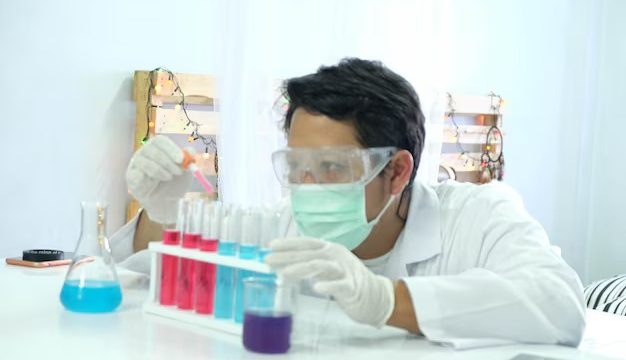
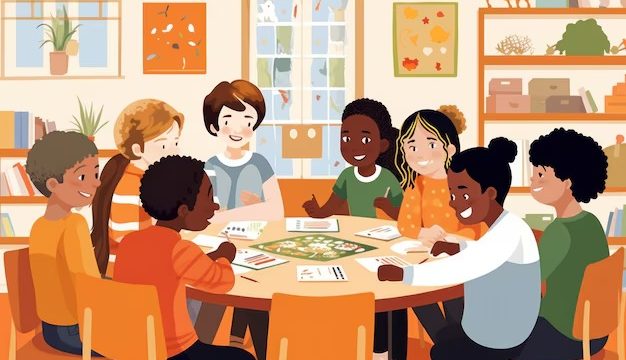
In a world where science often feels distant and complex, introducing children to the wonders of chemistry can be a delightful journey.
Chemistry is all around us, and engaging kids with friendly experiments can ignite their curiosity, spark their imagination, and foster a lifelong love for learning.
These experiments are designed to be safe, fun, and easy to do at home, making them perfect for family bonding or a creative playdate.
A gentle introduction to chemistry can start right in your kitchen. Simple ingredients can transform into fascinating reactions that captivate young minds. One of the most accessible experiments involves baking soda and vinegar, a classic duo that creates a delightful fizz. When combined, these two household staples produce carbon dioxide gas, leading to bubbling excitement. Kids can pour baking soda into a container, then add vinegar to witness the fizzy eruption. This experiment not only illustrates a chemical reaction but also teaches children about acids and bases in a fun and engaging way.
Another charming activity is making homemade slime. This gooey concoction is not only a tactile delight but also a fantastic opportunity for kids to learn about polymers. With just a few ingredients—glue, baking soda, and contact lens solution—the transformation from liquid to slime is mesmerizing. As children mix the ingredients, they can observe how the texture changes, providing a hands-on experience that emphasizes the magic of chemistry. Adding food coloring or glitter can personalize the slime, allowing kids to express their creativity while exploring scientific concepts.
As you delve deeper into the world of chemistry, creating a homemade lava lamp can be a captivating project. This experiment visually demonstrates density and immiscibility. Begin by filling a clear container with water and adding a few drops of food coloring. Next, pour in vegetable oil. The oil will float on top of the water, creating a beautiful separation. Then, for the grand finale, drop in some Alka-Seltzer tablets. As they dissolve, bubbles will rise to the surface, creating a mesmerizing lava lamp effect. This enchanting display not only entertains but also encourages children to ask questions about why certain substances behave the way they do.
For those interested in a bit of kitchen chemistry, exploring the wonders of crystallization can be both educational and rewarding. Kids can create sugar crystals or salt crystals using simple ingredients and patience. By dissolving sugar in hot water and allowing the solution to cool, children can watch as crystals form over time. This experiment introduces concepts such as saturation and evaporation while fostering an understanding of how crystals grow. The anticipation of seeing the crystals develop can be a delightful experience, teaching kids about the beauty of nature’s processes.
A sweet twist on chemistry can be found in the world of candy making. When making rock candy, children can engage in a fun and tasty lesson about solubility and crystallization. Dissolving sugar in boiling water and suspending a stick or string in the solution allows crystals to form as the water evaporates. This delightful project not only results in a delicious treat but also serves as a tangible representation of scientific principles in action. Watching the crystals grow can be a rewarding experience that combines patience with the joy of a sweet reward.
Venturing outdoors, you can explore the magic of natural indicators with a plant-based experiment. Using red cabbage, children can create a pH indicator that changes color based on the acidity or alkalinity of various substances. By boiling red cabbage leaves in water, you create a vibrant purple liquid that can be used to test different household items like lemon juice, baking soda, or soap. This colorful experiment brings science to life, allowing kids to see firsthand how chemistry is intertwined with the world around them.
Engaging in friendly chemistry experiments not only nurtures curiosity but also builds confidence in young learners. Encouraging children to ask questions, make predictions, and share their findings fosters a sense of ownership over their learning experience. As they navigate the process of experimentation, they develop critical thinking skills and a deeper appreciation for the scientific method.
Creating a cozy atmosphere for these experiments can enhance the experience. Setting up a designated “science corner” with all the necessary supplies can make the process feel special. A clean workspace, comfortable seating, and perhaps a few science-themed decorations can set the stage for exploration. Involving children in the preparation and clean-up can also teach responsibility and the importance of maintaining a safe environment.
As you embark on this journey of discovery, remember that the ultimate goal is to foster a love for science. These friendly chemistry experiments can be a wonderful way to bond as a family, share laughter, and create lasting memories. Each bubbling reaction and colorful transformation is an opportunity to encourage curiosity and inspire the next generation of scientists.
In this beautiful exploration of chemistry, the emphasis is on the joy of learning and the thrill of discovery. The world of science is vast, but it can begin with simple, friendly experiments that make it accessible to young minds. As children engage with these activities, they not only learn about chemistry but also develop a sense of wonder about the world around them. So gather your ingredients, roll up your sleeves, and prepare for a delightful adventure that celebrates the magic of chemistry.