Encouraging Students to Explore Real World Issues
In a world that often feels fast-paced and overwhelming, the importance of encouraging students to engage with real-world issues has never been more vital.
As young minds grow and develop, they are not just absorbing information; they are forming opinions, values, and a sense of responsibility that will guide them throughout their lives.
When students are encouraged to explore the challenges and triumphs of the world around them, they not only cultivate critical thinking skills but also develop empathy and a deeper understanding of their role in society.
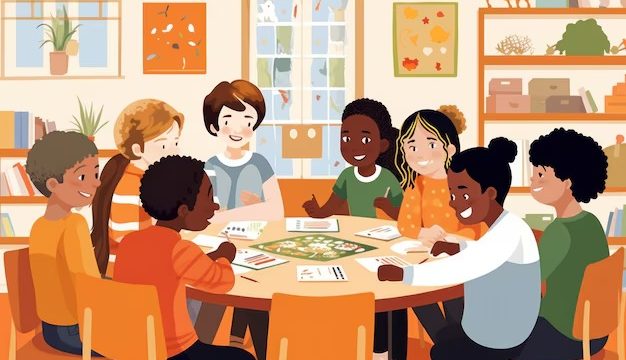
Fostering a sense of curiosity is the first step in this journey. Schools and educators can create an environment that invites questions and exploration. This can be achieved through open discussions about current events, encouraging students to share their thoughts and feelings about various topics. By promoting a culture where every opinion is valued, students will feel more comfortable expressing themselves. This dialogue can lead to a greater awareness of the complexities surrounding issues like climate change, social justice, and global health, allowing students to see the connections between their lives and the world at large.
Creating opportunities for experiential learning can also play a significant role in this exploration. Field trips, community service projects, and collaborations with local organizations can provide students with hands-on experiences that bring real-world issues to life. For instance, a visit to a local environmental conservation project can spark a passion for sustainability, while volunteering at a food bank may open their eyes to the realities of food insecurity. These experiences not only enrich students’ understanding but also allow them to apply what they’ve learned in the classroom to real-life situations.
Incorporating technology into learning can further enhance students’ engagement with real-world issues. The internet offers a wealth of information and resources that can help students research and connect with global communities. Online platforms allow them to participate in discussions and initiatives that transcend geographical boundaries. This digital connectivity can cultivate a sense of global citizenship, as students learn about diverse cultures and perspectives. By utilizing technology responsibly, students can become informed advocates for the issues that matter to them.
A gentle shift toward balance can also be achieved by integrating social-emotional learning into the curriculum. When students are equipped with emotional intelligence, they are better prepared to navigate complex issues with compassion. Encouraging self-reflection and mindfulness practices can help students process their feelings about the world around them. This inner work fosters resilience and equips them to take thoughtful action in response to societal challenges.
Collaboration is another key element in encouraging students to engage with real-world issues. Group projects can help students learn from one another while developing teamwork skills. By working together on research or advocacy initiatives, they can explore different viewpoints and come to a deeper understanding of the issues at hand. Through collaboration, students can also build a sense of community, which can be incredibly empowering. When they see their peers passionate about a cause, it can inspire them to become more involved and take action themselves.
Encouraging students to think critically about the information they consume is also essential. In an age of information overload, it’s important for students to learn how to discern credible sources from misinformation. Teaching them to ask questions, seek evidence, and evaluate multiple perspectives can empower them to become informed citizens. This critical thinking skill will serve them well not only in their academic pursuits but also as they navigate the complexities of adult life.
Promoting a culture of empathy is perhaps one of the most impactful ways to encourage students to engage with real-world issues. When students learn to understand and share the feelings of others, they become more invested in the challenges faced by their communities and the world. Incorporating literature, art, and storytelling into the curriculum can be powerful tools for fostering empathy. By exploring narratives that highlight diverse experiences, students can gain insights into the lives of others, prompting them to think about how they can contribute positively to society.
As students explore real-world issues, it’s essential to celebrate their efforts and achievements, no matter how small. Recognizing their contributions can reinforce the idea that their voices matter. Whether it’s a presentation on a social issue, a campaign for change, or simply a heartfelt discussion, acknowledging their hard work can motivate them to continue their engagement. This validation can be a crucial step in helping them develop a lifelong commitment to social responsibility.
Ultimately, encouraging students to explore real-world issues is about nurturing their growth as compassionate, informed individuals. It’s about creating spaces where they can express their thoughts and feelings, learn from one another, and take meaningful action. As educators, parents, and community members, we have the opportunity to guide students on this journey, helping them to become active participants in shaping a better future for themselves and the world around them.
In conclusion, the exploration of real-world issues can be a transformative experience for students. By fostering curiosity, providing experiential learning opportunities, and promoting empathy, we can empower young people to engage with the complexities of the world. As they navigate their own paths, they will carry these lessons with them, contributing to a more compassionate and informed society. Encouraging this exploration is not just an educational endeavor; it is a commitment to nurturing the leaders and change-makers of tomorrow.