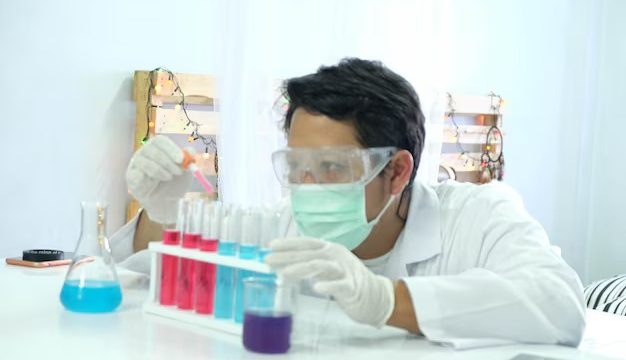
Biotechnology has become a buzzword in recent years, often appearing in conversations about health, food, and the environment.
While it may sound like a complex and technical field, biotechnology is deeply intertwined with our everyday lives, offering solutions to some of the most pressing challenges we face today.
This friendly guide aims to demystify biotechnology, exploring its role in our world and how it can contribute to a healthier, more sustainable future.
Understanding the basics
At its core, biotechnology is the science of using living organisms or their components to develop products and technologies that improve our lives. This can range from the use of bacteria in the production of yogurt to the development of new medicines that target specific diseases. The beauty of biotechnology lies in its versatility; it draws from various disciplines, including biology, chemistry, and engineering, to create innovative solutions.
One of the most relatable examples of biotechnology is in the food we consume. Have you ever enjoyed a slice of bread? The yeast used in baking is a form of biotechnology at work. Similarly, many of the fruits and vegetables we eat today have been enhanced through biotechnological methods, ensuring they are more nutritious and resistant to pests. This not only benefits our health but also supports farmers in producing food more sustainably.
A small shift toward balance
As we navigate the complexities of modern life, biotechnology offers us tools to find balance in various aspects of our existence. For instance, in the realm of health, biotech innovations are paving the way for personalized medicine. This approach tailors treatment to individual patients based on their genetic makeup, leading to more effective interventions. Imagine a world where your healthcare is as unique as you are, minimizing side effects and maximizing effectiveness. That’s the promise of biotechnology.
In addition to healthcare, biotechnology plays a crucial role in environmental sustainability. As we face the impacts of climate change, biotechnological solutions are emerging to help us address these challenges. For example, scientists are developing biofuels derived from algae, which can reduce our reliance on fossil fuels. Furthermore, bioremediation uses microorganisms to clean up polluted environments, helping restore ecosystems and protect biodiversity. These advancements remind us that we have the power to nurture our planet while meeting our needs.
A gentle embrace of innovation
As we embrace the advancements of biotechnology, it’s essential to approach them with an open yet critical mind. Biotechnology has the potential to revolutionize industries and improve our quality of life, but it also raises ethical questions and concerns. It’s important to engage in conversations about the implications of these technologies, ensuring that they are developed and used responsibly.
For example, genetically modified organisms (GMOs) have sparked significant debate. While they can lead to increased crop yields and reduced pesticide use, some people worry about their long-term effects on health and the environment. Engaging in discussions about these topics helps us navigate the complexities of biotechnology while fostering a sense of community and shared responsibility.
Finding harmony with nature
Biotechnology encourages us to reconnect with nature in a meaningful way. By understanding how living organisms function and interact, we can learn to work in harmony with the environment. This perspective is particularly relevant in agriculture, where biotechnological practices can enhance crop resilience and reduce waste. Techniques such as precision farming utilize data and biotechnology to optimize yields while minimizing the ecological footprint. This approach not only benefits farmers but also contributes to food security for a growing global population.
Moreover, biotechnology is helping us preserve endangered species and restore ecosystems. Through cloning and genetic engineering, scientists are working to revive species that have dwindled in number, ensuring that future generations can experience the beauty of biodiversity. By fostering a deeper appreciation for the natural world, biotechnology encourages us to take action in preserving it.
A personal journey into biotechnology
As you explore the world of biotechnology, you might find yourself inspired to integrate some of its principles into your own life. This could be as simple as choosing foods that are sustainably sourced or supporting local farmers who use biotechnological methods. By making informed choices, you contribute to a larger movement toward a healthier planet.
Additionally, you can delve deeper into the subject by reading books, attending workshops, or engaging with community initiatives focused on biotechnology. Connecting with like-minded individuals can enrich your understanding and foster a sense of belonging in this evolving field. As you learn more, you may discover ways to advocate for responsible biotechnological practices in your community, helping to shape a future that aligns with your values.
A hopeful outlook
The journey into biotechnology is not just about understanding science; it’s about envisioning a future where technology and nature coexist harmoniously. As we face challenges such as climate change, health crises, and food security, biotechnology offers a glimmer of hope. By harnessing the power of living organisms, we can innovate solutions that enhance our well-being and protect our planet.
As you navigate your own path in this ever-changing landscape, remember that biotechnology is not just a field of study; it’s a celebration of life in all its forms. By approaching it with curiosity, compassion, and a sense of responsibility, you can become an active participant in shaping a brighter future for all. In this journey, every small step you take contributes to a larger movement, reminding us that together, we can create a world that thrives on the principles of sustainability, health, and harmony.