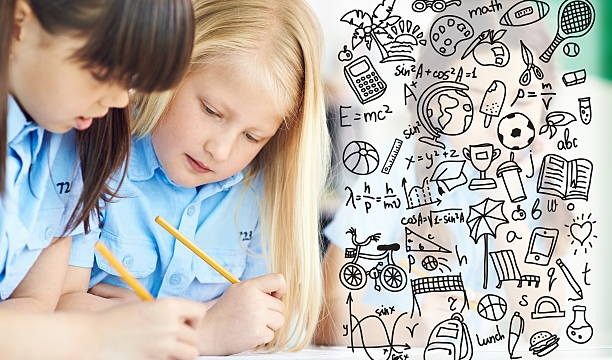
As children step into the vibrant world of kindergarten, they embark on a journey filled with exploration, creativity, and learning.
Among the myriad of skills they begin to develop, fine motor skills hold a special place.
These skills are essential for everyday tasks and play a crucial role in a child’s overall development. Understanding how to nurture these skills can create a nurturing environment that fosters growth and confidence.
Fine motor skills encompass the small movements of the hands and fingers, allowing children to manipulate objects with precision. From holding a crayon to buttoning a shirt, these skills are foundational for a variety of activities throughout life. As children engage in playful learning, they unknowingly strengthen these abilities, setting the stage for future academic success and independence.
A gentle approach to nurturing fine motor skills can be seamlessly integrated into daily activities. One of the simplest ways to encourage these skills is through art. As children draw, paint, or even play with playdough, they are exercising their fingers and hands. The varied textures and colors stimulate their senses while allowing them to express their creativity. Providing an array of materials can inspire hours of imaginative play, from using brushes and crayons to molding shapes.
Incorporating activities that require grasping and pinching can further enhance fine motor development. Simple tasks such as tearing paper or stringing beads can be both entertaining and beneficial. These activities promote hand-eye coordination and dexterity while offering a sense of achievement as children see their creations come to life. Engaging in these playful tasks not only enhances their skills but also builds their confidence as they master new challenges.
Another delightful way to support fine motor skills is through cooking and baking. Involving children in the kitchen can be a wonderful bonding experience. As they measure ingredients, mix batter, or roll out dough, they practice essential skills without even realizing it. The joy of creating something delicious together fosters a sense of accomplishment and encourages a lifelong appreciation for cooking.
Outdoor play also plays a significant role in developing fine motor skills. Activities such as digging in the sand, playing with water, or climbing on playground equipment challenge children’s coordination and strength. Nature provides an array of textures and elements to explore, from picking up small stones to manipulating sticks and leaves. These experiences not only enhance motor skills but also connect children with the world around them, promoting curiosity and exploration.
As children navigate their kindergarten environment, everyday tasks can serve as opportunities for skill development. Simple routines like buttoning coats, zipping bags, or using utensils during meals engage fine motor skills in meaningful ways. Encouraging independence in these areas empowers children and helps them develop a sense of responsibility. It’s important to provide gentle guidance and allow for mistakes, as these moments are invaluable learning experiences.
In addition to physical activities, storytelling and imaginative play can also foster fine motor skills. When children engage in puppet shows or dress-up games, they manipulate objects, enhancing their dexterity and creativity. Building with blocks or assembling puzzles requires careful placement and coordination, further strengthening their hand movements. These activities not only develop fine motor skills but also stimulate cognitive growth as children learn to problem-solve and think critically.
Creating a supportive environment at home and in the classroom is essential for nurturing fine motor development. Providing a variety of tools and materials encourages exploration and experimentation. Simple items like scissors, crayons, and small manipulatives can create a world of possibilities. Setting up designated play areas with these resources allows children to immerse themselves in activities that promote their fine motor skills naturally.
It’s also important to celebrate progress, no matter how small. Acknowledging a child’s efforts and accomplishments fosters motivation and reinforces the idea that learning is a journey. Encouragement can come in many forms, from verbal praise to a simple high-five. Recognizing their hard work instills a sense of pride and enthusiasm for future challenges.
As educators and caregivers, we can also model fine motor skills through our actions. Inviting children to help with everyday tasks, such as organizing materials or setting the table, demonstrates practical applications of their developing skills. This not only provides valuable learning experiences but also strengthens the bond between adults and children through shared activities.
In this nurturing environment, children can explore, create, and grow at their own pace. The journey of developing fine motor skills is not just about mastering tasks; it’s about building confidence, independence, and a love for learning. As they engage in various activities, children discover their own capabilities, paving the way for future experiences in school and beyond.
In conclusion, fostering fine motor skills in kindergarten is a delightful endeavor that can be woven into the fabric of daily life. By creating opportunities for exploration, creativity, and independence, we can support children as they develop these essential skills. Whether through art, cooking, outdoor play, or everyday tasks, each moment serves as a building block in their growth. As we nurture their journey, we are not just helping them develop fine motor skills; we are encouraging them to embrace their potential and enjoy the wonder of learning.