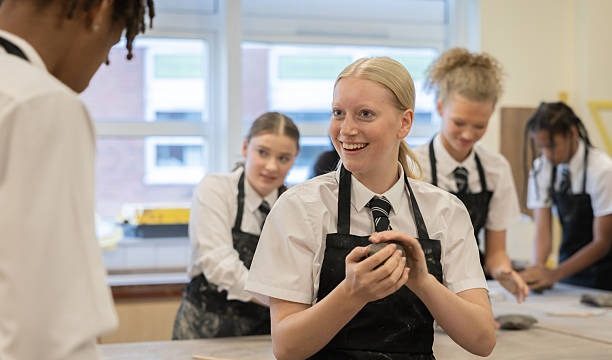
Engaging young minds through hands-on science experiments can be both a delightful and enlightening experience.
Children are naturally curious, and when they engage in activities that allow them to explore and discover, they learn not just about science, but also about the world around them.
These experiments are perfect for parents or caregivers looking to foster a sense of wonder and inquiry in their little ones.
Creating a nurturing environment for exploration is key. Set aside a space where messes are welcomed and curiosity is encouraged. Whether it’s the kitchen table, a backyard, or a designated crafting area, having a space dedicated to experimentation can make all the difference. Gather some basic supplies—household items like vinegar, baking soda, food coloring, and water can be the foundation for countless experiments.
One delightful experiment to try is the classic volcano eruption. This simple yet fascinating activity can captivate children and spark their interest in chemistry. Start by forming a small mound using playdough or clay, leaving a cavity at the top to hold the “lava.” In a separate container, mix baking soda with a few drops of food coloring for a vibrant effect. When you’re ready, pour vinegar into the cavity, and watch as the mixture bubbles and erupts like a miniature volcano. The reaction between the baking soda and vinegar creates carbon dioxide gas, which causes the bubbling eruption. It’s an exciting visual that children will love, and it provides a gentle introduction to chemical reactions.
Exploring the concept of density can also be an enlightening experience for young kids. This can be done easily with a simple density tower using liquids of different densities. Gather some liquids such as honey, dish soap, water, vegetable oil, and rubbing alcohol. In a clear glass or jar, carefully pour each liquid one at a time, starting with the heaviest (honey) and working your way up to the lightest (rubbing alcohol). Encourage your children to observe how each layer sits on top of the last without mixing. This experiment not only demonstrates density but also provides a beautiful visual display of colors.
Another fantastic experiment involves creating homemade slime, which is always a crowd-pleaser. All you need is some school glue, baking soda, and contact lens solution. Begin by mixing a cup of glue with a tablespoon of baking soda in a bowl. Then, gradually add contact lens solution while stirring. As you mix, the slime will begin to form and take shape. This tactile experience is not only fun but also introduces kids to the concept of polymers and how substances can change states. Plus, the end result is a stretchy, squishy toy that they can play with for hours.
Nature is another wonderful teacher. A simple experiment with flowers can help children understand how plants absorb water. Take a few white flowers and place them in a glass of water mixed with food coloring. Over time, the flowers will begin to change color as they absorb the dyed water through their stems. This visual transformation is captivating and provides an opportunity to talk about plant biology and the importance of water in nature.
For a little bit of physics fun, consider creating a homemade rocket using a film canister or a small plastic bottle. Fill the canister with a small amount of baking soda and add vinegar, then quickly seal it. Place the canister upside down on the ground and step back. The reaction will build pressure until the lid pops off, launching the canister into the air. This experiment demonstrates the principles of pressure and propulsion in a way that is thrilling for young children.
As you engage in these hands-on experiments, remember to encourage questions and discussions. Ask your children what they think will happen before conducting each experiment and what they observed afterward. This dialogue not only enhances their critical thinking skills but also reinforces the idea that science is about curiosity and exploration.
It’s also important to foster a sense of safety and responsibility during these activities. Teach your children the importance of following instructions, wearing safety goggles when necessary, and cleaning up after the experiments. These habits will not only keep them safe but also instill a sense of discipline and respect for the scientific process.
As the experiments unfold, take a moment to appreciate the beauty of learning through play. Watching a child’s face light up with wonder as they make a discovery is one of the most rewarding experiences. Science is not just a subject in school; it is a way of understanding the world.
Engaging in these hands-on experiments can also provide an opportunity to bond as a family. Sharing these moments creates cherished memories that can last a lifetime. Whether it’s the laughter from a fizzing volcano or the awe of a color-changing flower, these experiences can strengthen relationships and foster a love for learning.
Incorporating hands-on science experiments into your routine doesn’t have to be daunting. Start small and let your child’s interests guide you. As they grow and their curiosity deepens, you can explore more complex concepts and experiments together. The key is to remain patient and supportive, encouraging their discoveries and celebrating their successes, no matter how small.
Ultimately, the goal is to cultivate a lifelong love of learning and exploration. By creating a space for curiosity and wonder, you are not just teaching science; you are nurturing a mindset that values inquiry, creativity, and the joy of discovery. So gather those supplies, roll up your sleeves, and dive into the wonderful world of hands-on science experiments with your little ones. The journey of exploration awaits, and it promises to be a rewarding adventure for both of you.