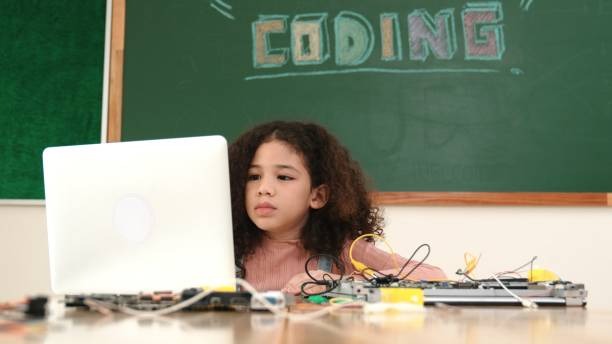
In today’s fast-paced world, the ability to code has become an essential skill, much like reading and writing.
Yet, for many parents, the thought of introducing their kids to coding can feel daunting.
The good news is that teaching kids coding can be both easy and enjoyable, transforming what might seem like a complex subject into an engaging adventure.
Creating a playful environment is key to sparking interest. Children naturally learn best when they are having fun, and coding can easily be woven into games and creative projects. Instead of presenting it as a rigid set of rules, think of coding as a way for kids to express themselves. Whether they want to create a simple game, animate a story, or even build a website, coding can be the medium through which they share their ideas with the world.
One of the most delightful aspects of coding is the variety of tools available. There are numerous platforms designed specifically for children, making the learning process intuitive and accessible. For instance, visual programming languages like Scratch allow kids to drag and drop code blocks, enabling them to see the effects of their coding decisions in real time. This hands-on approach demystifies coding and helps kids grasp fundamental concepts without feeling overwhelmed.
As kids engage with these platforms, they not only learn coding languages but also develop critical problem-solving skills. When they encounter a challenge, they learn to troubleshoot and think creatively about solutions. This process fosters resilience and encourages a growth mindset, teaching them that it’s okay to make mistakes along the way. In fact, mistakes often lead to the most valuable lessons.
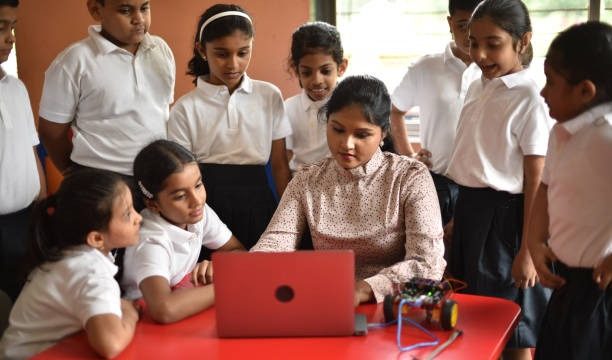
Encouraging collaboration can also enhance the coding experience. Kids can work together on projects, sharing ideas and learning from one another. Group coding sessions can be a wonderful way to build friendships while exploring new concepts. Whether it’s a coding club at school or a casual gathering with friends, collaborative environments can ignite a passion for coding that might not emerge in solitary settings.
Another way to make coding enjoyable is to connect it with your child’s existing interests. If they love storytelling, suggest creating an interactive story or a simple game based on their favorite characters. If they are passionate about art, they can explore coding through digital drawing applications. By tying coding into their personal interests, kids are more likely to stay engaged and invested in the learning process.
As parents and guardians, your enthusiasm can play a significant role in your child’s coding journey. Share your own experiences with technology, whether it’s a fun app you recently discovered or a project you’re excited about. When kids see their parents engaged and curious about technology, they are more likely to mirror that curiosity. Creating a family-friendly atmosphere where technology is embraced can encourage kids to explore coding as a natural extension of their everyday lives.
It’s also important to celebrate their achievements, no matter how small. Each time your child completes a project or solves a coding problem, acknowledge their effort. This recognition can boost their confidence and motivate them to take on more challenging tasks. Remember, the goal is not just to teach coding but to cultivate a love for learning and exploration.
As they progress, consider introducing them to more advanced concepts at a comfortable pace. Online courses, coding camps, and workshops can provide structured learning opportunities while still being enjoyable. Many organizations offer programs that blend coding with creativity, such as music or robotics, allowing kids to explore different facets of technology in a fun way.
Encouraging a balanced approach to screen time is also crucial. While coding is inherently tied to technology, it’s important to integrate it with offline activities. Encourage your child to step away from the computer and engage in outdoor play, reading, or other hobbies. This balance helps prevent burnout and fosters a well-rounded lifestyle, ensuring that coding remains a positive and enriching experience.
As your child grows more comfortable with coding, they may even want to share their knowledge with others. This could be through teaching friends, creating tutorials, or even starting a blog about their coding adventures. Sharing knowledge reinforces their understanding and can be incredibly rewarding. It’s a wonderful way to build a sense of community and support among young coders.
In the grand scheme of things, coding is more than just a skill; it’s a way of thinking. It teaches kids to approach problems logically and creatively, skills that are invaluable in every aspect of life. By making coding accessible and enjoyable, you are not only opening doors to future opportunities but also helping your child develop essential life skills.
Ultimately, the journey of learning to code can be a beautiful experience, filled with creativity, collaboration, and discovery. As parents, your role is to nurture that journey, providing support and encouragement while allowing your child to explore at their own pace. With patience and enthusiasm, you can help your child unlock the magic of coding, transforming it from a daunting task into a joyful adventure.
So, as you embark on this journey together, remember that the most important thing is to have fun. Embrace the challenges and celebrate the victories, and watch as your child’s love for coding blossoms. In this ever-evolving digital age, giving them the tools to succeed is one of the greatest gifts you can offer. Let coding be an exciting chapter in their lifelong learning journey, filled with endless possibilities and creativity.