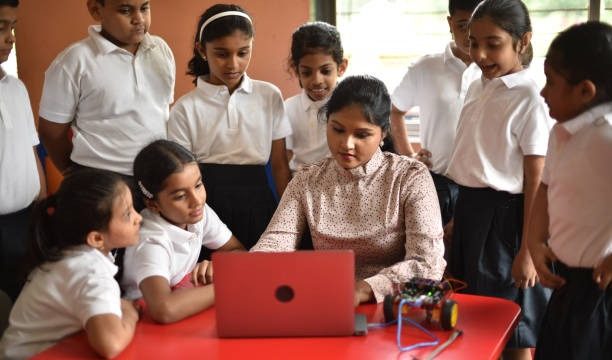
In our fast-paced world, problem-solving skills are more important than ever.
Whether it’s navigating personal challenges or tackling complex issues at work, the ability to find solutions is a valuable asset.
While many may not immediately associate programming with problem-solving, the two are intricately linked. Learning to program can enhance our ability to think critically, approach challenges systematically, and ultimately find effective solutions.
The journey into programming often begins with curiosity. Many people are drawn to it out of a desire to create, to build applications, or even to understand how the technology they use every day works. This curiosity is a wonderful starting point. It sets the stage for a deeper exploration of not just coding, but also the thought processes that come along with it. As individuals dive into the world of programming, they discover that each line of code is a small step toward solving a larger puzzle.
At its core, programming is about breaking down problems into manageable parts. This skill is invaluable in everyday life. When faced with a challenge, whether it’s planning a family gathering or organizing a work project, the ability to dissect the issue into smaller, more approachable pieces can make all the difference. Programmers learn to analyze problems, identify the key components, and develop a structured approach to resolving them. This methodical thinking can be applied to various areas beyond coding, creating a ripple effect that enhances overall problem-solving capabilities.
A gentle shift in perspective can also emerge through programming. Many people find that coding encourages a mindset of resilience. Debugging, or finding and fixing errors in code, is an integral part of programming. It requires patience and a willingness to persist through challenges. This experience can foster a sense of determination that transcends the screen. When we encounter obstacles in life—be it a personal conflict or a professional setback—this cultivated resilience can empower us to keep pushing forward, experimenting with different approaches until we find a solution.
Moreover, programming introduces the concept of logic and reasoning. Every programming language has its own set of rules, and understanding these rules helps to develop a logical thought process. This logical reasoning can be applied to everyday situations, leading to clearer decision-making. When faced with choices, whether related to finances, relationships, or career paths, the analytical skills honed through programming can guide us toward more informed and rational decisions.
Creativity is another unexpected benefit of programming. Some might think of coding as a purely technical endeavor, but it is also a canvas for creativity. Creating an application, designing a website, or even automating a task requires an imaginative approach. This blend of logic and creativity can inspire innovative solutions to problems we encounter in our lives. When we allow ourselves to think outside the box, we open up a myriad of possibilities that might not have been visible before.
Programming also fosters collaboration and communication. In many cases, programmers work in teams, sharing ideas, troubleshooting issues, and developing solutions together. This collaborative spirit can be mirrored in our daily lives. When we engage with friends, family, or colleagues to address a problem, we often find that different perspectives can lead to more comprehensive solutions. Programming teaches us the value of input from others, encouraging us to seek advice and listen actively.
As we explore the benefits of programming, it’s important to acknowledge that it is not just about technical skills. The emotional intelligence developed through coding—like patience, empathy, and understanding—plays a significant role in effective problem-solving. These qualities can help us navigate interpersonal challenges and foster deeper connections with those around us. By integrating technical skills with emotional awareness, we become more well-rounded individuals capable of tackling a wider range of issues.
Another aspect worth considering is the impact of programming on our mindset. The process of learning to code often involves stepping out of our comfort zones. As we face new challenges and acquire new skills, we build confidence in our abilities. This newfound self-assurance can extend beyond programming, encouraging us to take on challenges in other areas of our lives with a positive attitude. The courage to tackle difficult situations becomes a part of our identity, enhancing our overall resilience.
As we embrace the world of programming, we can also cultivate a sense of community. Many programming communities celebrate knowledge sharing and support. Engaging with others who share similar interests can create a sense of belonging and mutual encouragement. This community aspect can be crucial in developing problem-solving skills, as it provides a safe space to seek help, share experiences, and learn from one another.
Incorporating programming into our lives doesn’t have to be an overwhelming endeavor. It can start with small, manageable steps—perhaps a simple online course, a coding workshop, or even a project at home. Each step we take can enhance our critical thinking and problem-solving abilities, enriching our personal and professional lives in the process.
The journey into programming is not just about learning a skill; it’s about embracing a way of thinking that can transform how we approach challenges. As we cultivate this mindset, we equip ourselves with the tools needed to navigate life’s complexities with grace and confidence. In a world where problems are ever-present, the ability to solve them is a gift that keeps on giving. Through programming, we can learn not only to find solutions but also to approach life’s challenges with a sense of curiosity, creativity, and resilience.
Ultimately, the lessons learned from programming extend far beyond the code itself. They resonate in the way we think, communicate, and connect with ourselves and others. By embracing this journey, we can enhance our problem-solving skills and enrich our lives in ways we may never have imagined.