In today’s digital age, programming is becoming increasingly essential, not just for those pursuing careers in technology, but for everyone looking to navigate the world around us.
For kids, learning programming can feel like opening the door to a universe filled with possibilities.
But how can we make this journey enjoyable and engaging? The answer lies in incorporating fun and creativity into the learning process, transforming what might seem like a daunting task into an exciting adventure.
One of the most effective approaches to teaching programming to children is through playful, interactive experiences. Imagine a world where kids can create their own games, design unique animations, or even build interactive stories. This is not just wishful thinking; it’s a reality made possible by numerous resources available today. By integrating programming with creative projects, children can see the tangible results of their coding efforts, fostering a sense of accomplishment and encouraging further exploration.
The beauty of programming is that it can be approached in many different ways. Some children may thrive in structured environments, while others may prefer more open-ended, exploratory activities. Finding the right balance is key. It’s important to introduce coding concepts in a manner that resonates with each child’s unique learning style. For some, this might mean using visual programming languages like Scratch, which allows them to drag and drop blocks of code to create animations and games. For others, text-based languages such as Python can provide a more straightforward introduction to coding logic and structure.
Another way to make programming fun is through gamification. Kids naturally enjoy playing games, and integrating game elements into learning can significantly enhance their engagement. Platforms like Code.org and Tynker offer coding challenges disguised as games, where children can earn rewards and unlock levels as they learn. This approach not only makes learning enjoyable but also instills a sense of progression and achievement, motivating them to keep pushing their boundaries.
Incorporating storytelling into programming can also spark creativity and interest. Children love stories, and by framing coding tasks within a narrative, you can capture their imagination. For example, they could create a game where they are the heroes on a quest, solving puzzles through coding challenges. This narrative-driven approach allows kids to see their work as part of a larger story, making the experience more immersive and enjoyable.
Working on projects that reflect their interests can further enhance the learning experience. If a child loves animals, they could create a virtual pet game. If they are fascinated by space, they might design a simple simulation of a rocket launch. By connecting programming tasks with their passions, children are more likely to stay engaged and invested in the learning process. This personal connection can transform coding from a chore into a delightful exploration of their creativity.
Collaboration is another vital aspect of learning that can make programming more enjoyable. When kids work together on coding projects, they not only learn from one another but also develop essential social skills. Group activities can foster a sense of community and support, encouraging kids to share ideas, troubleshoot problems, and celebrate successes together. This collaborative environment can lead to deeper learning experiences and help build friendships based on shared interests.
As parents and educators, it’s essential to create a supportive atmosphere where children feel comfortable experimenting and making mistakes. Programming is a field where trial and error is not just expected but celebrated. Encouraging kids to embrace challenges and view setbacks as learning opportunities can instill resilience and a growth mindset. By fostering an environment where curiosity is encouraged, children can explore programming without the fear of failure, allowing their creativity to flourish.
Outside of structured learning environments, there are countless opportunities for kids to explore programming in their everyday lives. Many communities offer coding clubs or workshops that provide a space for children to learn together. Additionally, there are numerous online resources, including tutorials and interactive platforms, where children can learn at their own pace. These resources can be a great way for kids to supplement their learning and dive deeper into their interests.
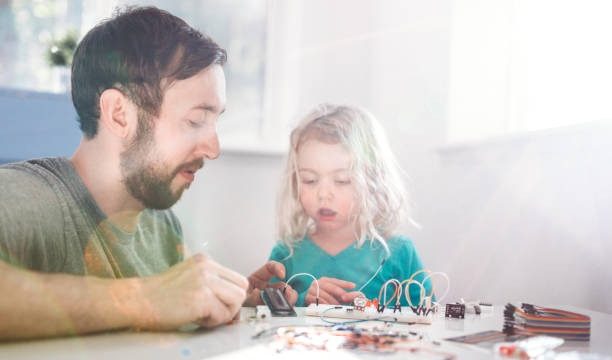
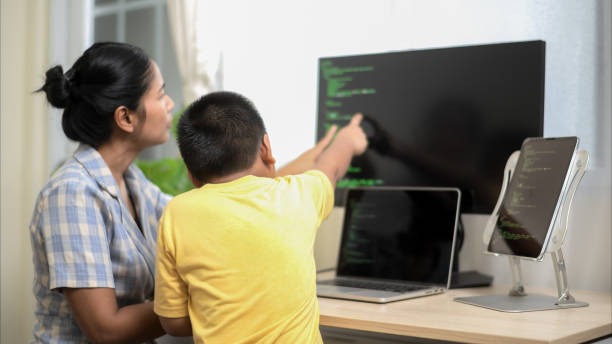
Parents can also play a vital role in making programming fun by engaging with their children’s projects. Taking the time to explore what they are learning, asking questions, and showing genuine interest can significantly enhance their enthusiasm. Family coding nights, where everyone collaborates on a project, can create lasting memories while reinforcing learning. These shared experiences can strengthen family bonds and cultivate a positive attitude toward learning.
Ultimately, the goal of teaching programming to kids is not just to equip them with technical skills, but to inspire them to think creatively, solve problems, and approach challenges with confidence. By introducing programming in a fun and engaging way, we can help children discover the joy of creating, the thrill of problem-solving, and the satisfaction of bringing their ideas to life.
As technology continues to evolve, the ability to understand programming will become increasingly valuable. By fostering a love for coding in children, we are not just preparing them for future careers; we are nurturing a generation of thinkers, creators, and innovators. So let’s embark on this journey together, making programming a delightful adventure that opens up a world of possibilities for our children. With the right approach, learning programming can be not just educational, but a joyous experience that sparks curiosity and creativity for years to come.