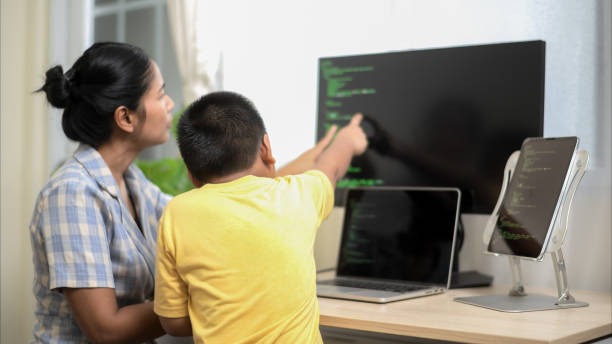
In a world increasingly driven by technology, coding has become an essential skill, much like reading and mathematics.
Yet, for many children, the idea of learning to code can feel daunting or even boring.
The key to making coding exciting lies in transforming it into a playful adventure rather than a chore. By weaving creativity, imagination, and fun into the learning process, we can inspire a love for coding that lasts a lifetime.
Creating a playful environment is one of the first steps to making coding more appealing. Children thrive in spaces where they can explore, experiment, and play. Setting up a cozy corner with bright colors, comfortable seating, and engaging tools can make a world of difference. Think of it as a mini-laboratory where ideas can flourish. Including interactive elements, like colorful coding blocks or a friendly robot, can spark curiosity and invite children to dive into the world of programming with enthusiasm.
Encouraging storytelling is another powerful tool in the coding toolkit. Children naturally love stories, and integrating narrative into coding can unlock their creativity. By framing coding projects around characters, adventures, or challenges, children can see their code come to life in a meaningful way. For instance, they might create a game where a brave knight rescues a princess or design an interactive story where the reader makes choices that affect the outcome. This approach not only makes coding more engaging but also helps children understand the logic behind coding as they connect actions with consequences.
Incorporating games into the learning process can also elevate the excitement around coding. Many educational platforms and apps offer game-like experiences that teach coding concepts through play. Children can learn to solve puzzles, complete challenges, and even collaborate with friends, all while developing their coding skills. This gamification transforms learning into an adventure, making it feel less like a classroom lesson and more like a quest to conquer.
Moreover, celebrating small victories is crucial in keeping the momentum going. When children successfully complete a coding task, whether it’s a simple program or a complex game, acknowledging their achievement can boost their confidence and motivate them to tackle new challenges. Celebrations can be as simple as a high-five, a shout of encouragement, or even showcasing their work to family and friends. This reinforces the idea that coding is not just about the end product, but also about the journey of learning and growth.
Fostering collaboration can also enhance the coding experience. Children often enjoy working with their peers, and coding can be a wonderful opportunity to build teamwork skills. Organizing coding clubs or group projects allows children to share ideas, troubleshoot together, and learn from one another. This sense of community not only makes coding more enjoyable but also teaches valuable social skills that will serve them well in the future.
Drawing connections to real-world applications can further ignite children’s interest in coding. When they understand how coding is used in the apps they love, the games they play, or the technology they interact with daily, they can see the relevance of their learning. Encouraging children to think about how they might use coding to solve problems in their own lives or to create something new can inspire them to take ownership of their learning journey.
It’s also essential to introduce coding in bite-sized pieces. Children have varying attention spans, and overwhelming them with complex concepts can lead to frustration. By breaking down coding into manageable chunks, children can grasp each concept before moving on to the next. This gradual approach not only builds their skills but also helps maintain their interest and enthusiasm.
Another gentle way to make coding exciting is to introduce various coding languages and tools. While some children might thrive with visual programming languages like Scratch, others may be drawn to text-based languages like Python. Offering a variety of tools allows children to discover what resonates with them, making the learning experience feel more personalized and engaging.
Creating a culture of curiosity is vital. Encourage children to ask questions and explore different coding concepts beyond the basics. This might involve diving into robotics, experimenting with artificial intelligence, or even creating their own apps. The more they explore, the more they will discover the vast possibilities coding offers.
In addition to traditional coding education, integrating arts and crafts can be a delightful way to enhance the coding experience. For instance, children can design their own game characters or create visual representations of their coding projects. This blend of creativity and technology can help children express themselves while deepening their understanding of coding concepts.
A small shift toward balance is also essential. While coding is a valuable skill, it’s important to ensure that children don’t feel pressured or overwhelmed. Balancing coding with other interests and activities allows children to develop a well-rounded skill set. Encouragement should come from a place of support rather than obligation.
Ultimately, making coding exciting for children is about creating an environment where they feel safe to explore, experiment, and express themselves. By weaving together creativity, playfulness, and real-world connections, we can guide children on their coding journey in a way that feels natural and enjoyable.
As we nurture their curiosity and celebrate their achievements, we help them build not just coding skills but also resilience, problem-solving abilities, and a lifelong love for learning. In the end, coding is not just about lines of code; it’s about opening doors to creativity, innovation, and endless possibilities. With the right approach, we can inspire the next generation of coders to embrace the adventure that lies ahead.