Education is often viewed as a pathway to knowledge, but its impact goes far beyond textbooks and classrooms.
At its core, education nurtures the essential skill of problem-solving, fostering a sense of confidence that can influence all aspects of life.
Whether you are a student navigating the complexities of school or an adult facing the challenges of daily life, the lessons learned through education can empower you to tackle problems head-on.
A gentle embrace of curiosity
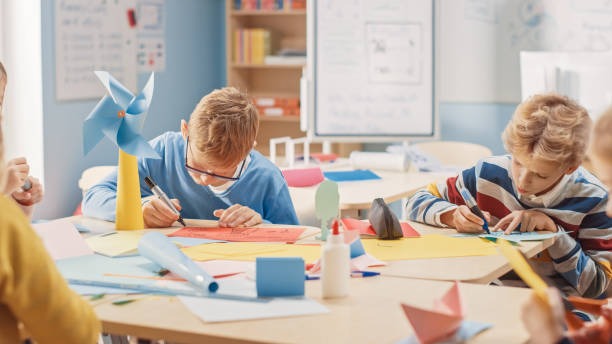
From an early age, education encourages curiosity, inviting individuals to ask questions and seek answers. This inquisitive nature is the foundation of problem-solving. When children are taught to explore their environment, they learn to identify challenges and think critically about potential solutions. This early engagement with curiosity fosters a mindset that sees problems not as obstacles but as opportunities for growth and learning.
As students progress through their educational journey, they encounter increasingly complex problems, whether in math, science, or social studies. Each challenge presents a chance to develop problem-solving skills, as students learn to analyze situations, consider various perspectives, and devise strategies to overcome obstacles. This gradual buildup of experience helps cultivate a robust sense of confidence, equipping individuals to face real-world issues with a proactive mindset.
The power of collaboration
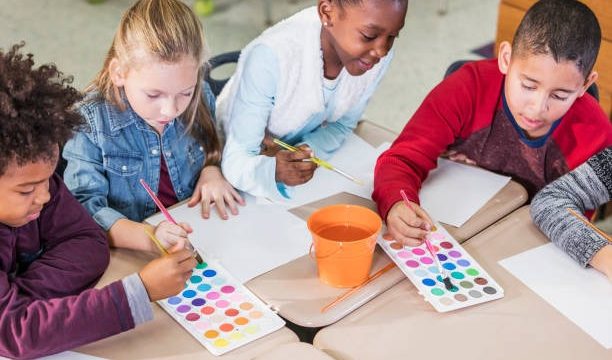
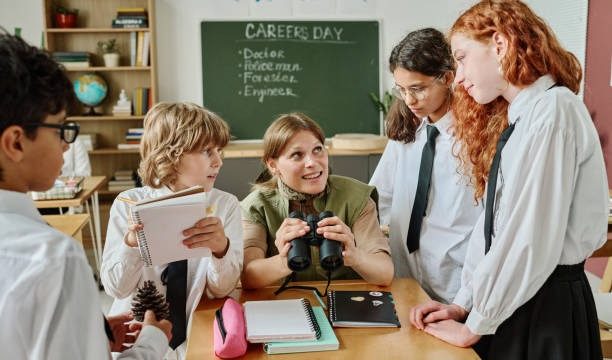
Education is not solely an individual endeavor; it often thrives in collaborative settings. Group projects, discussions, and peer reviews encourage students to work together, combining their strengths to solve problems. This collaborative approach teaches valuable lessons about teamwork, communication, and compromise. When individuals learn to share ideas and consider different viewpoints, they enhance their problem-solving capabilities and build confidence in their ability to contribute meaningfully to a group.
Moreover, collaboration helps individuals recognize that they are not alone in facing challenges. The support of peers can alleviate the pressure of problem-solving, creating a sense of community and shared responsibility. This realization can be incredibly empowering, reinforcing the belief that one can tackle difficulties with the help of others.
Real-world applications
Education also bridges the gap between theory and practice, allowing students to apply their knowledge to real-world situations. Internships, service-learning projects, and experiential learning opportunities provide platforms for individuals to face genuine challenges, requiring them to think critically and creatively. When learners see the tangible outcomes of their problem-solving efforts, their confidence grows.
For instance, a student participating in a community service project may encounter unexpected challenges, such as resource limitations or differing opinions among team members. Navigating these hurdles can teach invaluable lessons about resilience and adaptability. Each successful resolution reinforces the belief that they can handle whatever life throws their way, fostering a sense of competence that extends beyond the classroom.
Cultivating a growth mindset
A significant aspect of education is the cultivation of a growth mindset—the belief that abilities and intelligence can be developed through dedication and hard work. This perspective encourages individuals to view challenges as opportunities for improvement rather than insurmountable barriers. By embracing a growth mindset, learners become more willing to take risks and experiment with different approaches to problem-solving.
Educators play a crucial role in nurturing this mindset. By providing constructive feedback and emphasizing effort over innate ability, they help students understand that mistakes are a natural part of the learning process. This supportive environment allows individuals to approach problems with a sense of curiosity and resilience, further enhancing their confidence in their problem-solving abilities.
The lifelong journey of learning
Education is not confined to formal institutions; it is a lifelong journey. As adults, we continue to learn through various experiences, whether in our careers, hobbies, or personal relationships. This ongoing learning process reinforces the problem-solving skills developed during formal education, allowing individuals to adapt and thrive in an ever-changing world.
In the workplace, for instance, employees are often faced with unexpected challenges that require innovative solutions. Those who possess strong problem-solving skills, honed through their educational experiences, are better equipped to navigate these situations with confidence. The ability to analyze problems, collaborate with colleagues, and implement effective solutions can lead to professional growth and fulfillment.
In our personal lives, education shapes how we approach everyday challenges, from managing finances to resolving conflicts in relationships. The confidence gained from educational experiences empowers individuals to tackle these issues with a constructive mindset, fostering healthier relationships and a greater sense of well-being.
A nurturing environment for growth
Creating an environment that supports problem-solving confidence is essential. Whether in schools, workplaces, or homes, fostering a culture that values curiosity, collaboration, and resilience can significantly impact individuals’ confidence levels. Encouraging open dialogue, providing opportunities for hands-on learning, and celebrating both successes and failures can create a nurturing atmosphere where problem-solving thrives.
Additionally, mentorship plays a vital role in building confidence. Having a supportive figure who guides and encourages individuals through challenges can make a significant difference. Mentors can share their own experiences, offer advice, and help mentees navigate the complexities of problem-solving, reinforcing the belief that they have the skills to succeed.
The journey ahead
As we reflect on the profound ways education shapes our lives, it becomes clear that the confidence gained through problem-solving is a gift that keeps on giving. It empowers individuals to face life’s challenges with resilience and creativity, paving the way for personal and professional growth.
In a world that is constantly evolving, the ability to adapt and solve problems is more crucial than ever. Embracing the lessons learned through education can lead to a fulfilling and confident approach to life, where every challenge is met with a sense of possibility and hope. Through education, we not only build knowledge but also the confidence to navigate the complexities of life, one problem at a time.