Fostering a sense of responsibility in students is a nurturing journey that can shape their character and influence their future.
As educators, parents, and mentors, we play a pivotal role in guiding young minds toward understanding the importance of accountability in their actions.
This process is not just about setting rules or assigning tasks; it’s about fostering an environment where students can learn, grow, and take ownership of their choices.
Creating a nurturing environment
To cultivate responsibility, we must first create a nurturing environment that encourages open communication and trust. When students feel safe and respected, they are more likely to express themselves and take risks in their learning. This means listening to their thoughts and feelings, validating their experiences, and providing a space where they can freely discuss their challenges and successes.
Encouraging self-reflection is also key. By guiding students to regularly assess their actions and decisions, we can help them recognize the consequences of their choices. This can be as simple as incorporating reflective discussions at the end of a project or encouraging journaling. When students take time to reflect, they begin to understand that their actions impact not only themselves but also those around them.
Cultivating independence through choice
Another gentle way to foster responsibility is by providing students with choices. Allowing them to make decisions about their learning not only empowers them but also encourages them to take responsibility for those choices. For instance, offering options for project topics or methods of presentation can ignite their interest and drive. This sense of ownership can lead to a deeper commitment to their work, as students are more likely to take pride in something they had a hand in shaping.
As they make choices, it’s essential to guide them in understanding the consequences of those decisions. This doesn’t mean hovering over them or directing every move; rather, it involves facilitating discussions about potential outcomes and encouraging them to think critically about their options. When students see the direct results of their choices, they start to grasp the weight of responsibility in a tangible way.
The power of setting goals
Setting goals is another effective avenue for fostering responsibility. When students have clear, achievable objectives, they can better understand what is expected of them. Encouraging them to set personal and academic goals not only helps them stay focused but also instills a sense of accountability.
It can be helpful to model goal-setting practices. Share your own experiences with setting and achieving goals, including both successes and setbacks. This transparency can demystify the process for students and show them that responsibility is not about perfection but about persistence and growth. As they work towards their goals, celebrate their progress, no matter how small. Acknowledgment reinforces their efforts and motivates them to continue on their journey.
Building a community of support
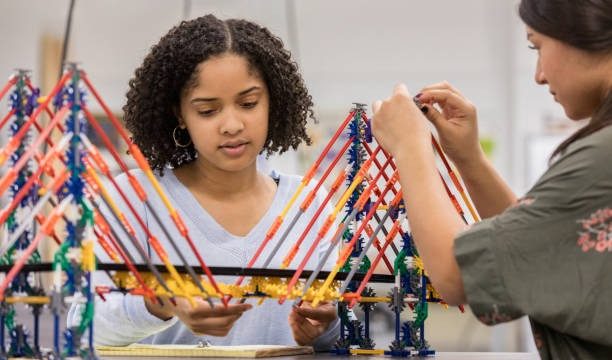
Creating a supportive community is essential in fostering responsibility. When students feel connected to their peers and educators, they are more likely to engage in responsible behaviors. Encourage collaboration and teamwork in classroom activities. Group projects can teach students about shared responsibility, as they learn to rely on one another and contribute to a common goal.
Promoting a culture of respect and empathy within the classroom can also enhance this sense of community. When students understand the importance of considering others’ feelings and perspectives, they are more likely to act responsibly. Engage them in discussions about kindness, respect, and the impact of their actions on others. This collective understanding can create a ripple effect, where responsible behavior becomes a shared value.
Modeling responsible behavior
One of the most powerful ways to instill responsibility in students is by modeling the behavior ourselves. Students are keen observers and often mimic the actions of adults in their lives. By demonstrating accountability in our own actions—whether it’s owning up to mistakes, following through on commitments, or showing respect to others—we set a standard for them to emulate.
Sharing personal stories of responsibility can also resonate deeply. When students hear about real-life experiences, they can relate to the challenges and triumphs that come with being responsible. This connection can inspire them to adopt similar behaviors in their own lives.
Encouraging problem-solving skills
Teaching students to approach challenges with a problem-solving mindset is crucial for fostering responsibility. When they encounter obstacles, encourage them to think critically about possible solutions rather than simply providing answers. This process builds resilience and empowers them to take ownership of their learning journey.
Engaging in discussions about problem-solving strategies can also be beneficial. Encourage them to brainstorm solutions and evaluate the pros and cons of each option. This not only nurtures their critical thinking skills but also reinforces the idea that they have the capacity to address challenges responsibly.
Celebrating successes and learning from failures
Finally, it’s important to celebrate successes and embrace failures as valuable learning opportunities. When students achieve their goals or demonstrate responsible behavior, take the time to acknowledge their efforts. This recognition can serve as a powerful motivator for continued growth.
Conversely, when setbacks occur, approach them with a constructive mindset. Discuss what went wrong and what can be learned from the experience. This approach fosters a culture where responsibility is viewed as a journey, rather than a destination.
In conclusion, fostering a sense of responsibility in students is a holistic process that involves creating a supportive environment, encouraging independence, and modeling desired behaviors. By nurturing self-reflection, promoting goal-setting, and emphasizing community, we can guide students toward understanding the importance of accountability. Through patience and consistent support, we can empower the next generation to embrace responsibility as an integral part of their lives, equipping them with the tools they need to navigate the world with confidence and integrity.