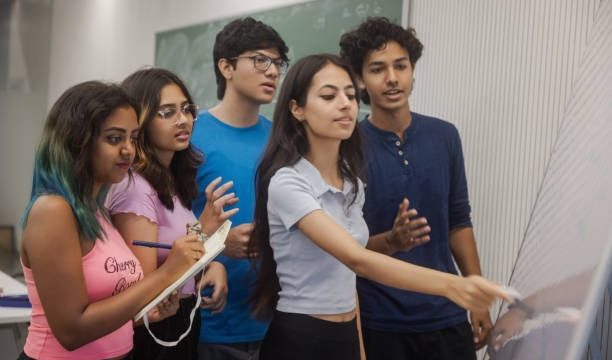
In today’s diverse classrooms, engaging students with varied interests can sometimes feel like a puzzle.
Each student brings their unique passions and perspectives, creating a rich tapestry of learning opportunities.
The challenge lies in finding ways to connect with all these interests, ensuring that every learner feels valued and motivated. Here, we explore some gentle techniques that can help educators create an inclusive and engaging environment.
A gentle approach to connection
One of the most effective ways to engage students is through personal connection. Taking a moment to learn about your students’ interests can transform the classroom dynamic. Consider having informal chats at the beginning of the school year or semester. Ask open-ended questions that allow students to share their hobbies, favorite books, or even the latest trends they’re excited about. This not only builds rapport but also provides insight into how to tailor lessons that resonate with them.
For example, if you discover that several students are passionate about video games, you might incorporate elements of game design into a project. This small shift can make learning feel more relevant and exciting, fostering a sense of belonging.
Embracing creativity in learning
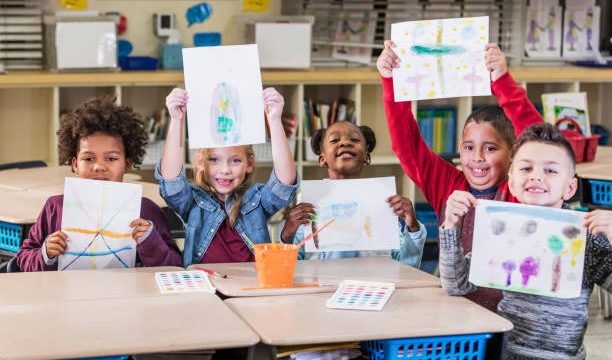
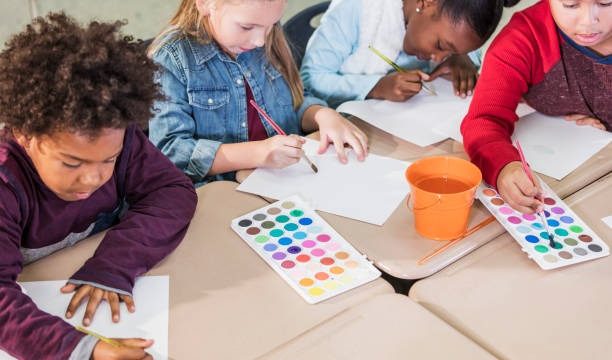
Creativity is a powerful tool for engaging diverse interests. When students are allowed to express themselves in various forms, from art to music to writing, they become more invested in their work. Consider offering assignments that allow for creative expression. Instead of a traditional essay, students could create a video presentation, a podcast, or an illustrated story.
Encouraging creativity also means fostering an environment where experimentation is welcomed. Let students take risks in their projects, knowing that it’s okay to make mistakes. This can lead to innovative ideas and deeper learning, as students explore topics through their unique lenses.
Creating collaborative experiences
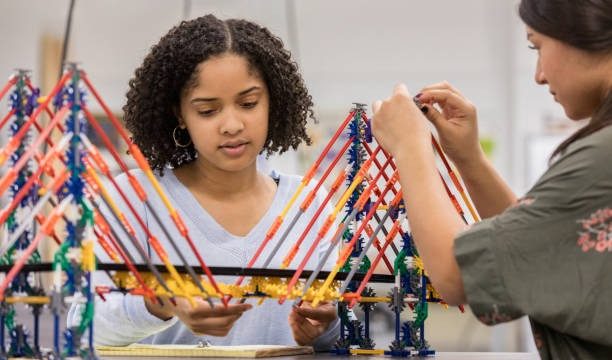
Collaboration can be a beautiful way to engage students with different interests. Group projects that allow students to work together can draw on their individual strengths and passions. When students collaborate, they not only learn from each other but also develop important social skills.
To facilitate this, consider forming diverse teams where students can share their interests and skills. For example, a student who loves science can team up with a classmate who enjoys art to create a project that combines both fields. This not only enriches the learning experience but also promotes respect for diverse talents and perspectives.
Integrating technology thoughtfully
In our increasingly digital world, technology can play a vital role in engaging students. However, it’s essential to integrate it thoughtfully, ensuring that it complements rather than dominates the learning experience. Tools like interactive apps, educational games, and online discussion forums can cater to various interests and learning styles.
For instance, incorporating virtual reality experiences can transport students to historical events or scientific explorations, making lessons come alive. Encourage students to explore technology that aligns with their interests, whether it’s coding, digital art, or online research. This not only enhances engagement but also equips them with valuable skills for the future.
Fostering a growth mindset
Encouraging a growth mindset can significantly impact student engagement. When students believe that their abilities can develop through effort and practice, they are more likely to embrace challenges and persist in the face of difficulties. This mindset is particularly important in a classroom filled with diverse interests, as it helps students appreciate their own unique journeys.
As an educator, you can model this mindset by sharing your own learning experiences and challenges. Celebrate effort and improvement, rather than just results. Create an atmosphere where students feel safe to take risks and understand that learning is a process filled with ups and downs.
Connecting learning to real-world applications
One of the most effective ways to engage students is by connecting lessons to real-world applications. When students see the relevance of what they’re learning, their motivation often increases. Consider inviting guest speakers from various fields who can share their experiences and relate them to the curriculum.
Additionally, organizing field trips or community projects can bring lessons to life. Whether it’s visiting a local museum, volunteering at a community garden, or participating in a science fair, these experiences can spark students’ interests and inspire them to explore further.
Encouraging student voice and choice
Empowering students by giving them a voice in their learning can lead to greater engagement. Allowing them to choose topics for projects or select books to read can foster a sense of ownership over their education. This not only enhances motivation but also encourages students to pursue their interests passionately.
Consider implementing regular check-ins where students can express their preferences and ideas. This could be through informal discussions or suggestion boxes. By actively listening and incorporating their feedback, you demonstrate that their interests truly matter, creating a more inclusive learning environment.
Nurturing a supportive classroom culture
Finally, nurturing a supportive classroom culture is essential for engaging students with diverse interests. Celebrate diversity by fostering an environment where all voices are heard and respected. Encourage students to share their unique backgrounds and experiences, allowing others to learn from them.
Creating a culture of kindness and support can significantly impact student engagement. When students feel safe and valued, they are more likely to participate actively and explore their interests without fear of judgment. This sense of community not only enhances learning but also prepares students for collaborative experiences beyond the classroom.
In conclusion, engaging students with diverse interests requires a thoughtful and compassionate approach. By fostering connections, embracing creativity, encouraging collaboration, and nurturing a supportive environment, educators can create a rich learning experience that resonates with every student. As we celebrate the unique passions of each learner, we pave the way for a more inclusive and dynamic educational journey.