In the ever-evolving landscape of education, finding ways to engage students remains a core challenge for teachers.
The traditional methods of instruction, while valuable, often fail to capture the diverse interests and learning styles of today’s learners.
As educators, we have the profound opportunity to create environments that not only foster learning but also inspire curiosity and enthusiasm. By embracing innovative teaching strategies, we can promote deeper engagement and connection with the material.
A gentle approach to connection
The first step in fostering engagement is to build a genuine connection with students. When learners feel valued and understood, they are more likely to participate actively in their education. One effective way to nurture this connection is through storytelling. Sharing personal anecdotes or relevant narratives can resonate with students, making lessons more relatable and memorable. When they see a piece of themselves reflected in the stories, they are more inclined to engage with the content.
Additionally, creating a classroom culture that encourages open dialogue can significantly enhance engagement. Students should feel safe to express their thoughts and questions. This can be achieved by incorporating regular discussion circles or reflective exercises, where students are invited to share their perspectives. Such practices not only empower learners but also foster a sense of belonging, making them more invested in their educational journey.
A small shift toward balance
Another effective strategy is to incorporate varied instructional methods that cater to different learning styles. While some students thrive in a traditional lecture environment, others may flourish through hands-on activities, visual aids, or collaborative projects. By diversifying teaching approaches, educators can appeal to a broader range of learners. This balance not only keeps the classroom dynamic but also allows students to engage with the material in a way that feels most comfortable to them.
For instance, integrating technology into lessons can spark interest and excitement. Utilizing interactive tools, such as educational apps or online platforms, can transform a standard lesson into an engaging experience. Students often find technology relatable and enjoyable, which can enhance their motivation to participate. However, it’s essential to maintain a thoughtful approach, ensuring that technology serves as a tool for learning rather than a distraction.
The importance of relevance
Engagement flourishes when students see the relevance of what they are learning. Connecting classroom material to real-world applications can ignite curiosity and interest. Educators can achieve this by incorporating current events, societal issues, or even local community projects into lessons. When students understand how their education impacts the world around them, they are more inclined to engage deeply with the content.
Creating project-based learning opportunities can also encourage students to explore their interests while applying their knowledge. By allowing students to choose topics that resonate with them, educators can foster intrinsic motivation. This ownership over their learning journey can lead to higher levels of engagement and a deeper understanding of the subject matter.
Nurturing creativity and exploration
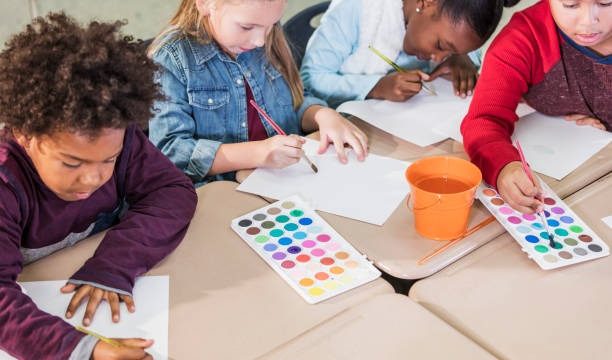
Engagement also thrives in an environment where creativity is encouraged. Allowing students to express their ideas and thoughts through various mediums—be it art, music, or writing—can lead to a more enriched learning experience. Projects that allow for creative expression not only engage students but also promote critical thinking and problem-solving skills.
Incorporating elements of play into learning can also enhance engagement. Gamifying lessons or introducing playful challenges can transform the educational experience into something exciting and enjoyable. When students are having fun, they are more likely to be engaged and enthusiastic about their learning.
A supportive learning atmosphere
Finally, fostering a supportive and encouraging atmosphere is vital for promoting student engagement. Recognizing and celebrating individual achievements, no matter how small, can boost students’ confidence and motivation. Acknowledgment can take many forms, from verbal praise to showcasing student work. When students feel appreciated, they are more likely to take risks and engage fully in their learning.
Moreover, providing constructive feedback is essential. Rather than merely focusing on what needs improvement, emphasizing strengths can inspire students to continue their efforts. A balanced approach to feedback nurtures a growth mindset, encouraging students to view challenges as opportunities for learning rather than obstacles.
In conclusion, the journey towards enhanced student engagement is a multifaceted one. By building genuine connections, diversifying instructional methods, emphasizing relevance, nurturing creativity, and fostering a supportive atmosphere, educators can create a vibrant learning environment. These strategies not only promote engagement but also empower students to take charge of their education. As we embrace these approaches, we cultivate a love for learning that transcends the classroom, preparing students to thrive in an ever-changing world. The heart of education lies in the connections we build and the joy we inspire, making every lesson a step toward a brighter future.