In the ever-evolving landscape of education, the importance of making learning accessible for every student cannot be overstated.
Every child, regardless of their background, abilities, or learning style, deserves the opportunity to thrive in an environment that nurtures their unique potential.
As we explore the ways to create an inclusive educational experience, we can envision a future where every student feels seen, heard, and empowered.
Understanding diverse needs
To foster an inclusive learning environment, it’s essential to first acknowledge the diverse needs of students. Each child brings their own set of experiences, challenges, and strengths into the classroom. Some may require additional support due to learning disabilities, while others might excel in areas that are not traditionally emphasized in standard curricula. Recognizing these differences is the first step toward creating an atmosphere where all students can flourish.
A small shift toward balance
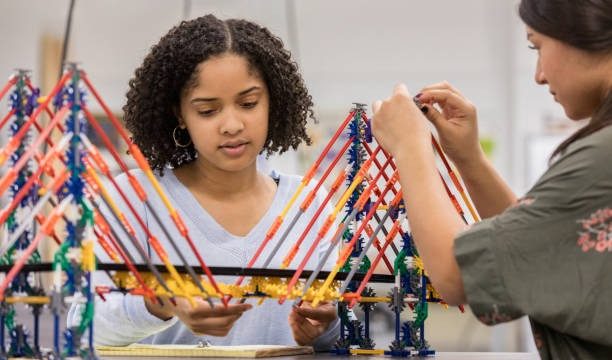
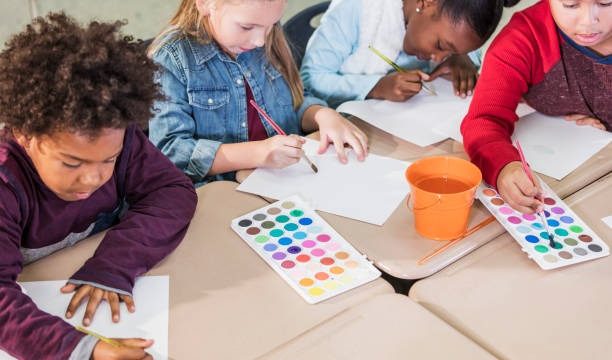
Incorporating varied teaching methods can make a world of difference. While traditional lecturing has its place, blending in hands-on activities, visual aids, and technology can cater to different learning styles. For instance, visual learners may benefit from diagrams and videos, while kinesthetic learners thrive in interactive settings. By diversifying instructional approaches, educators can create a more balanced and engaging learning experience that resonates with every student.
Creating a supportive environment
An inclusive classroom is not just about teaching strategies; it’s also about fostering a supportive environment where students feel safe to express themselves. Building strong relationships between teachers and students encourages open communication, helping educators to understand individual needs better. When students feel valued and respected, they are more likely to participate actively and take risks in their learning journey. This sense of belonging is crucial for their emotional and academic growth.
The role of collaboration
Collaboration among educators, parents, and support staff is vital in creating an accessible learning environment. When everyone works together, they can share insights and strategies that benefit all students. For instance, special education teachers can provide valuable resources and expertise to their general education colleagues, ensuring that students with unique needs receive the attention and support they deserve. This team approach helps to create a more cohesive educational experience, where everyone is invested in the success of each student.
Embracing technology
In our digital age, technology plays a significant role in making learning more accessible. From educational apps to online resources, technology can bridge gaps and enhance the learning experience. For students with disabilities, assistive technology can provide tailored support that allows them to engage with the curriculum in meaningful ways. Additionally, online platforms can offer flexible learning opportunities, enabling students to learn at their own pace and revisit materials as needed. By embracing technology, educators can open doors to new possibilities for all learners.
Fostering a growth mindset
Encouraging a growth mindset in students can significantly impact their learning journey. When students believe that their abilities can improve through effort and perseverance, they are more likely to embrace challenges and setbacks as part of the learning process. Educators can cultivate this mindset by celebrating effort, providing constructive feedback, and promoting resilience. By fostering a culture of growth, students can develop a more positive relationship with learning, which ultimately leads to greater success.
The importance of representation
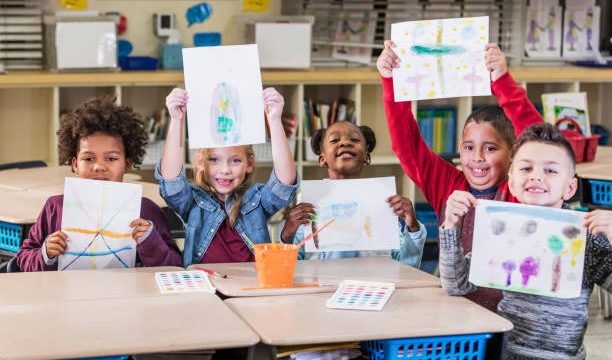
Representation matters in education. When students see themselves reflected in the curriculum, they are more likely to feel a sense of belonging and motivation to engage. Incorporating diverse perspectives and voices into lessons not only enriches the learning experience but also fosters empathy and understanding among students. By highlighting the contributions of individuals from various backgrounds, educators can help students appreciate the richness of our shared human experience.
Encouraging self-advocacy
Teaching students to advocate for themselves is an essential skill that can empower them throughout their educational journey and beyond. When students learn to express their needs and preferences, they become active participants in their learning. Educators can facilitate this process by providing opportunities for students to voice their opinions, make choices about their learning, and seek help when necessary. By nurturing self-advocacy skills, we equip students with the tools they need to navigate their educational paths with confidence.
The power of community
Creating an accessible learning environment extends beyond the classroom. Engaging with the broader community can provide additional resources and support for students. Schools can partner with local organizations, businesses, and families to create a network of support that enhances the educational experience. Community involvement not only enriches the curriculum but also fosters a sense of belonging and connection for students. When students see their community invested in their success, it reinforces their motivation to learn and grow.
Celebrating progress
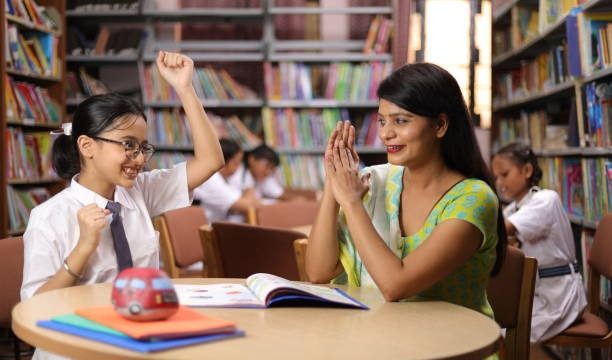
Finally, it’s important to celebrate progress, no matter how small. Recognizing achievements helps to build self-esteem and encourages students to continue striving for their goals. Whether it’s mastering a new skill, improving grades, or simply overcoming a challenge, every step forward deserves acknowledgment. By celebrating progress, we create a positive feedback loop that motivates students to keep pushing themselves and fosters a love for learning.
In conclusion, making learning accessible for every student is a shared responsibility that requires dedication, creativity, and compassion. By embracing diverse teaching methods, fostering supportive environments, and encouraging collaboration, we can create a more inclusive educational landscape. As we work together to empower all students, we pave the way for a brighter future where every learner can thrive. In this journey, let us remember that every small effort counts, and together, we can make a meaningful difference in the lives of our students.