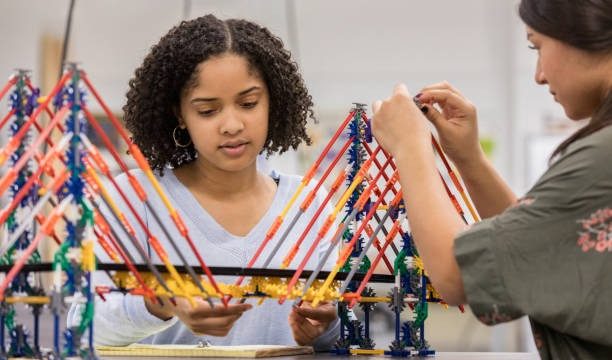
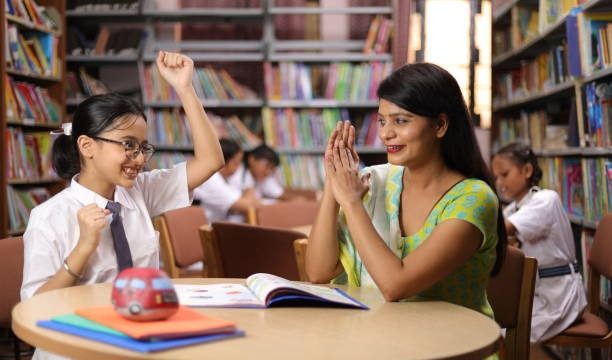
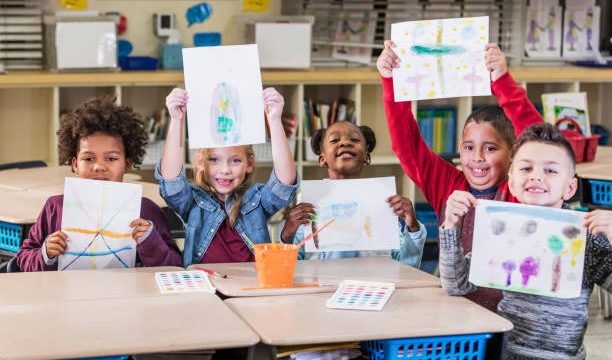
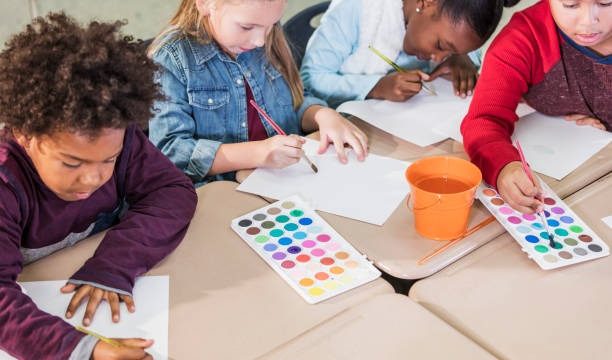
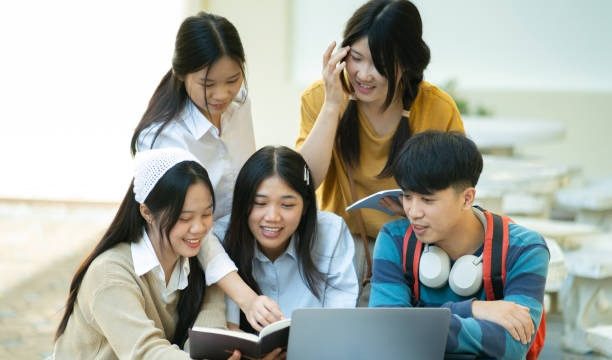
In a world that often emphasizes individual achievement, the concept of collaborative learning experiences shines brightly as a refreshing alternative.
Collaborative learning is not just about working together; it’s about creating a rich tapestry of ideas, perspectives, and skills that can lead to deeper understanding and personal growth.
Whether in a classroom, a workplace, or informal settings, the benefits of coming together to learn are profound and far-reaching.
A gentle shift toward inclusivity
At its core, collaborative learning fosters a sense of community and belonging. When individuals come together to share their knowledge and experiences, they create an environment where everyone feels valued. This inclusivity is essential, as it allows participants to learn from one another while appreciating diverse viewpoints. In such settings, people are more likely to express themselves openly, leading to richer discussions and increased engagement.
This collective approach encourages empathy, as learners step into each other’s shoes, understanding challenges and triumphs from various perspectives. When learners feel seen and heard, they are more likely to invest in the learning process, resulting in an enriched experience for all.
Cultivating critical thinking skills
Collaborative learning doesn’t just enhance interpersonal connections; it also sharpens critical thinking skills. Engaging with peers encourages individuals to articulate their thoughts and defend their ideas, prompting them to think more deeply about the subject matter. This back-and-forth exchange of ideas nurtures analytical skills as participants weigh different arguments and perspectives.
Moreover, when faced with a problem, groups often generate a wider array of solutions than individuals working alone. This brainstorming process can lead to innovative ideas and approaches that might not have emerged in a solitary setting. As learners bounce ideas off one another, they develop the ability to evaluate information critically, a skill that is invaluable in today’s complex world.
Fostering creativity and innovation
The beauty of collaborative learning lies in its ability to spark creativity. When individuals from diverse backgrounds come together, they bring unique insights and experiences to the table. This melting pot of ideas can give rise to innovative solutions and creative projects that might not have been possible in isolation.
Collaboration encourages learners to think outside the box and take risks in a supportive environment. The freedom to explore and experiment with new ideas can lead to breakthroughs, whether in academic pursuits, artistic endeavors, or professional projects. This spirit of innovation not only enhances the learning experience but also prepares individuals to thrive in collaborative environments they will encounter throughout their lives.
Building strong relationships
One of the most rewarding aspects of collaborative learning is the relationships that blossom within these experiences. Working closely with others fosters trust and camaraderie, often leading to friendships that extend beyond the learning environment. These connections can provide emotional support, motivation, and encouragement, creating a positive feedback loop that enhances the learning experience.
As participants collaborate, they learn the importance of communication and compromise. Navigating differing opinions and approaches requires patience and understanding, skills that are essential in both personal and professional relationships. The bonds formed through collaborative learning can lead to a network of support that enriches individuals’ lives long after the learning experience has concluded.
Encouraging personal accountability
When individuals engage in collaborative learning, they are often more accountable to one another than they might be to themselves. Knowing that their peers rely on them can motivate learners to contribute meaningfully and stay committed to the group’s goals. This sense of responsibility can lead to improved time management and organizational skills, as participants work together to meet deadlines and achieve shared objectives.
Furthermore, collaboration often involves feedback from peers, which can help individuals identify their strengths and areas for improvement. This constructive criticism fosters a growth mindset, encouraging learners to embrace challenges and view setbacks as opportunities for development.
Creating a safe space for exploration
Collaborative learning experiences often cultivate a safe space where individuals feel comfortable taking risks and stepping outside their comfort zones. This supportive environment allows participants to share their ideas without fear of judgment, fostering a sense of psychological safety. In such spaces, learners are more likely to engage in open discussions and explore new concepts.
This safety encourages exploration and experimentation, essential components of the learning process. When individuals feel secure in their environment, they are more willing to ask questions, seek clarification, and challenge assumptions. This dynamic leads to a more profound understanding of the subject matter and sparks a genuine curiosity that can drive lifelong learning.
Enhancing communication skills
In our increasingly interconnected world, effective communication is a vital skill. Collaborative learning experiences provide ample opportunities for individuals to hone their communication abilities. Whether through group discussions, presentations, or collaborative projects, learners practice articulating their thoughts clearly and listening actively to others.
These interactions not only improve verbal communication skills but also enhance non-verbal cues, such as body language and tone. Being attuned to these subtle signals can significantly improve interpersonal relationships, making individuals more empathetic and effective communicators in both personal and professional settings.
A holistic approach to learning
Ultimately, collaborative learning experiences promote a holistic approach to education. They recognize that learning is not just about acquiring knowledge but also about developing social skills, emotional intelligence, and a sense of belonging. This multifaceted approach prepares individuals to navigate the complexities of life beyond the classroom.
By embracing collaboration, we create opportunities for meaningful connections, deeper understanding, and personal growth. The benefits of these experiences extend far beyond the immediate context, shaping individuals into well-rounded, adaptable, and empathetic members of society.
As we continue to evolve in our understanding of education and personal development, let us celebrate the power of collaborative learning. By fostering environments that encourage connection, exploration, and creativity, we can cultivate a culture of lifelong learning that enriches our lives and the lives of those around us. In the end, it is the relationships we build and the knowledge we share that truly enhance our learning journeys.