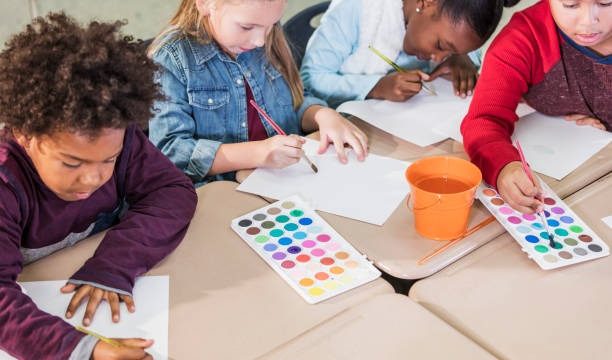
Encouraging students to share their ideas is an essential aspect of fostering a vibrant learning environment.
When students feel comfortable expressing their thoughts, they not only enhance their own learning experience but also contribute to the collective intelligence of their peers.
In this article, we will explore gentle yet effective ways to create an atmosphere that nurtures open communication and creativity among students.
Creating a Safe Space for Expression
One of the most vital steps in encouraging students to share their ideas is to establish a safe and welcoming environment. This means cultivating a classroom atmosphere where every student feels valued and respected. When students know that their opinions will be met with kindness and consideration, they’re more likely to engage in discussions.
Teachers can initiate this process by actively listening to students, showing genuine interest in their thoughts, and responding in a supportive manner. It’s important to recognize that sharing ideas can be daunting for some students, especially if they fear judgment or ridicule. By reassuring them that their contributions are welcome and appreciated, educators can help dissolve those barriers.
Fostering Collaborative Learning
Collaboration is a powerful tool for encouraging idea sharing. When students work together on projects or discussions, they can bounce ideas off one another, leading to richer insights and creative solutions. Group work not only helps students learn from each other but also builds a sense of community within the classroom.
To facilitate this, educators might consider incorporating group activities that require students to share their thoughts and build on each other’s ideas. This could be as simple as small group discussions or more structured projects that allow everyone to contribute. When students see their peers engaging and valuing each other’s input, they are more likely to feel empowered to share their own ideas.
Encouraging Curiosity and Questions
Cultivating a spirit of curiosity can significantly enhance students’ willingness to share their thoughts. When students are encouraged to ask questions, they become more engaged in the learning process. This curiosity can be nurtured by creating an environment where questions are celebrated rather than discouraged.
Teachers can model this behavior by asking open-ended questions themselves, inviting students to explore various perspectives. Additionally, encouraging students to ask questions about their peers’ ideas can lead to deeper discussions and a more robust exchange of thoughts. When curiosity is at the forefront, students may feel more inclined to share their insights, knowing that their questions and ideas contribute to a broader understanding.
Celebrating Diverse Perspectives
A rich tapestry of ideas often emerges from diverse perspectives. It’s important to remind students that their unique backgrounds and experiences can provide valuable insights. By celebrating this diversity, educators can foster an environment where all voices are heard and appreciated.
One way to do this is by incorporating diverse materials and examples into lessons, showcasing various viewpoints and experiences. Highlighting the importance of different perspectives can encourage students to share their own unique ideas, knowing that they contribute to a more inclusive discussion. This not only enhances their learning experience but also prepares them for the diverse world outside the classroom.
Encouraging Reflection and Personal Connection
Reflection is a powerful tool for encouraging students to articulate their thoughts. When students take the time to reflect on what they’ve learned or experienced, they are better equipped to share their ideas with others. Educators can facilitate this process by providing opportunities for journaling or personal reflection activities.
Encouraging students to connect their learning to their own lives can also enhance their willingness to share. When students see how their experiences relate to the material being discussed, they may feel more motivated to express their thoughts. This personal connection can make sharing ideas feel more relevant and meaningful.
Utilizing Technology for Expression
In today’s digital age, technology can be a wonderful ally in encouraging students to share their ideas. Platforms like discussion boards, blogs, or collaborative documents can provide students with alternative avenues for expression. Some students may feel more comfortable sharing their thoughts in writing or through digital mediums rather than speaking in front of the class.
Teachers can introduce these tools as part of their curriculum, allowing students to engage with one another in a format that feels comfortable to them. This not only broadens the scope of idea sharing but also prepares students for the collaborative nature of modern communication.
Practicing Patience and Understanding
Finally, it’s important to remember that encouraging students to share their ideas is a gradual process. Some students may take longer to feel comfortable expressing themselves, and that’s perfectly okay. Patience and understanding are key components in this journey. Educators should recognize and celebrate small steps towards sharing, no matter how minor they may seem.
Creating a culture of encouragement doesn’t happen overnight. It requires consistent effort, empathy, and a commitment to nurturing open dialogue. By being patient and supportive, educators can help students build their confidence and eventually embrace the act of sharing their ideas.
In conclusion, encouraging students to share their ideas is an enriching endeavor that benefits both individuals and the learning community as a whole. By creating a safe space, fostering collaboration, celebrating diversity, and utilizing technology, educators can inspire students to express themselves freely. With patience and understanding, along with a commitment to nurturing curiosity, we can help students discover the joy of sharing their thoughts and ideas. As they do so, they not only enhance their own learning but also contribute to a vibrant and engaging classroom atmosphere.