In today’s fast-paced educational landscape, engaging students can sometimes feel like a daunting task.
With distractions around every corner and an ever-growing array of digital content vying for their attention, teachers and educators are constantly searching for ways to make learning more relevant and impactful.
One approach that stands out is the use of real-world examples. By connecting academic concepts to everyday life, educators can create a more engaging and meaningful learning experience for their students.
Imagine a classroom where students are not just passive recipients of information, but active participants in their learning journey. When lessons are grounded in real-world scenarios, students can see the relevance of what they are learning, which often leads to increased motivation and curiosity. For instance, when discussing mathematical concepts, teachers might incorporate real-life situations such as budgeting for a family vacation or calculating the area needed for a garden. These practical examples help students understand how mathematics plays a crucial role in their daily lives and future decision-making.
A small shift toward balance can make a world of difference. Instead of relying solely on textbooks and traditional lectures, educators can encourage students to draw connections between the curriculum and their own experiences. This could involve incorporating local community projects, historical events that resonate with the students’ backgrounds, or even current events that spark interest and discussion. By doing so, educators create a learning environment that feels more relatable and engaging.
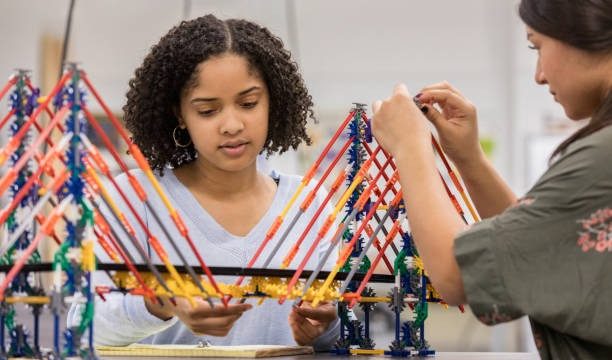
Consider the subject of science. When students learn about ecosystems, what better way to bring the lesson to life than by exploring a nearby park or nature reserve? Field trips and hands-on activities allow students to observe and interact with the concepts they are studying. They can witness firsthand how different organisms interact within their environment, making the learning experience unforgettable. When students can touch, see, and experience science in action, they are more likely to retain the information and develop a deeper appreciation for the subject.
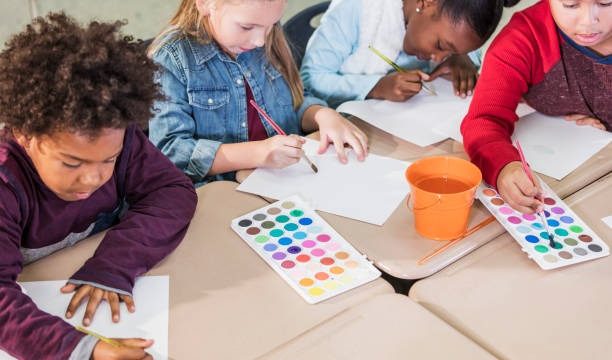
Incorporating real-world examples also allows educators to cater to diverse learning styles. Some students may thrive on visual aids, while others may benefit from auditory or kinesthetic learning. By presenting information through various lenses, educators can reach a broader audience and help each student find their unique connection to the material. For instance, a history lesson on civil rights can be enriched by inviting guest speakers who have lived through these events or by arranging a visit to a local museum that showcases the struggle for equality. Such experiences not only deepen understanding but also foster empathy and critical thinking.
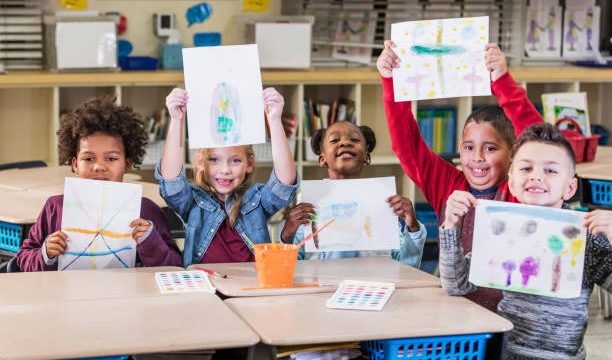
Fostering a sense of community within the classroom can further enhance engagement. When students work together on projects that address real-world issues, they not only learn from the curriculum but also from each other. Group discussions, collaborative projects, and peer presentations create opportunities for students to express their thoughts and ideas, ensuring that every voice is heard. This collaborative learning environment encourages teamwork and develops essential social skills that will serve them well beyond the classroom.
Teachers can also harness the power of technology to engage students in real-world applications of their studies. Virtual field trips, online simulations, and interactive platforms can open up a world of possibilities. For example, students can participate in a simulated business environment where they must make decisions based on market trends, or they can engage in online debates about current global issues. These experiences not only make learning more dynamic but also prepare students for the increasingly digital world they will encounter in their future careers.
As educators, it’s essential to reflect on the impact of real-world examples in the classroom. When students see the relevance of their studies, they are more likely to take ownership of their learning. This sense of agency can lead to a greater passion for knowledge and a lifelong love of learning. It’s about creating an environment where curiosity is encouraged, and students feel empowered to explore their interests.
Incorporating real-world examples into lessons doesn’t have to be a monumental task. It can begin with small, intentional changes in lesson planning. Teachers can ask themselves how they can relate the subject matter to students’ lives and interests. This might involve using current events as discussion starters or inviting students to share their own experiences related to the topic at hand. The goal is to create a dialogue that connects the curriculum to the world outside the classroom.
As we continue to navigate the evolving landscape of education, the importance of engaging students with real-world examples cannot be overstated. By grounding lessons in reality, educators can foster a deeper understanding and appreciation for the subjects they teach. Students will not only remember the material but also develop critical thinking skills that will serve them throughout their lives.
Ultimately, education is not just about imparting knowledge; it’s about inspiring students to think critically, solve problems, and become active participants in their communities. By weaving real-world examples into the fabric of the classroom, we can cultivate an environment where learning is not only engaging but also relevant and transformative. In this way, we prepare students not just for exams, but for life.