Teaching Strategies That Build Confidence
In the journey of education, one of the most precious gifts we can offer our students is the gift of confidence.
It’s a quality that transcends academic achievement, influencing how individuals perceive themselves and their abilities in every facet of life.
Building confidence in students is not just about helping them excel in tests or projects; it’s about nurturing a mindset that allows them to take risks, embrace challenges, and trust in their capabilities. Here are some gentle strategies that can make a significant difference in fostering this invaluable trait.
Creating a Safe Space for Expression
At the heart of confidence-building lies the need for a safe and supportive environment where students feel comfortable expressing themselves. When learners know that their thoughts and ideas will be welcomed and respected, they are more likely to share them. This sense of safety can be cultivated by encouraging open dialogue, actively listening to students, and validating their feelings and opinions. It’s important to remind students that mistakes are a natural part of the learning process, and every misstep is an opportunity for growth. By fostering an atmosphere of acceptance, educators can help students feel empowered to voice their thoughts without fear of judgment.
Encouraging a Growth Mindset
A growth mindset is the belief that abilities and intelligence can be developed through dedication and hard work. This perspective can significantly influence a student’s confidence levels. When teachers emphasize effort over innate ability, they help students understand that challenges are not roadblocks but stepping stones to success. Incorporating language that focuses on growth, such as praising effort instead of just results, can reinforce this mindset. For instance, saying “I noticed how hard you worked on that project” rather than “You’re so smart” encourages students to value their persistence and resilience. This shift in focus can inspire them to take on new challenges with a sense of curiosity rather than fear.
Celebrating Small Wins
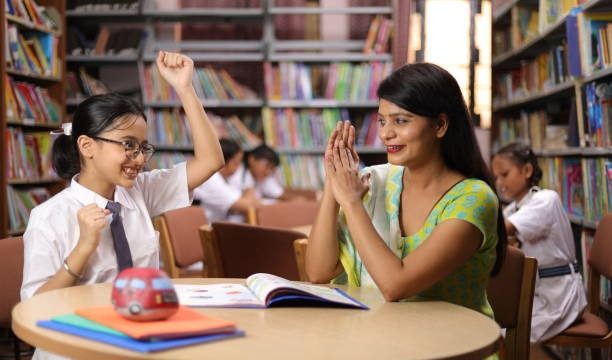
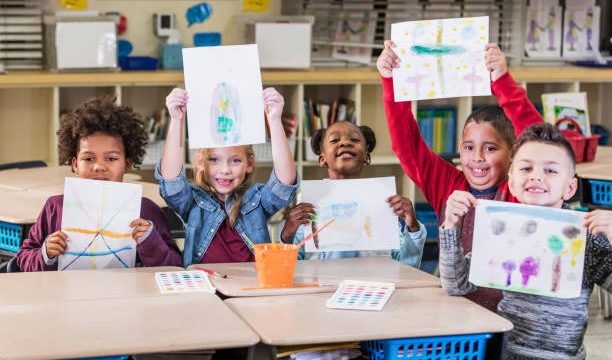
In the pursuit of building confidence, it’s essential to recognize and celebrate even the smallest victories. Acknowledgment can be a powerful motivator, reinforcing the belief that effort leads to progress. Whether it’s mastering a difficult concept, completing a project, or simply participating in class discussions, celebrating these milestones can boost students’ self-esteem. Teachers can create a culture of recognition by incorporating moments of celebration into the classroom routine, such as a “success wall” where students can share their achievements or a class ritual that honors individual accomplishments. These small gestures can have a profound impact on how students view their capabilities.
Fostering Peer Support
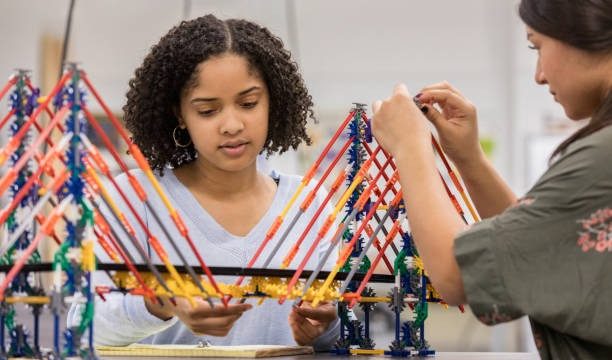
Peer relationships play a crucial role in a student’s confidence. Encouraging collaboration and teamwork can help students build connections and support each other in their learning journeys. Group projects, peer tutoring, and collaborative discussions not only enhance social skills but also create a sense of belonging. When students work together, they share their strengths and weaknesses, often discovering that they are not alone in their struggles. This camaraderie can be incredibly reassuring. Educators can facilitate this by creating opportunities for group work and encouraging students to celebrate each other’s strengths, reinforcing the idea that everyone has something valuable to contribute.
Encouraging Self-Reflection
Self-reflection is a powerful tool for building confidence. It allows students to evaluate their experiences, recognize their strengths, and identify areas for improvement. By integrating reflective practices into the learning process, educators can guide students to think critically about their progress. Journaling, group discussions, or even one-on-one check-ins can provide students with the opportunity to articulate their thoughts and feelings about their learning experiences. This practice not only fosters self-awareness but also empowers students to take ownership of their learning journey, reinforcing their belief in their abilities.
Modeling Confidence
Teachers play a vital role in shaping their students’ self-perceptions. By modeling confidence in their own actions and decisions, educators can inspire students to develop a similar mindset. This doesn’t mean that teachers must always appear flawless; rather, it’s about demonstrating authenticity and resilience. Sharing personal stories of challenges and how they were overcome can illustrate that setbacks are a normal part of life. When students see their teachers navigating difficulties with confidence and grace, they learn that it’s okay to face challenges head-on.
Encouraging Risk-Taking
Confidence often flourishes in an environment that encourages risk-taking. This doesn’t mean pushing students into uncomfortable situations but rather encouraging them to step outside their comfort zones in a supportive way. Introducing new activities, projects, or subjects can provide opportunities for students to explore their interests and discover hidden talents. It’s essential to reassure them that it’s okay to fail and that every attempt is a learning opportunity. By framing challenges as adventures rather than threats, educators can help students develop a sense of courage that builds their confidence over time.
Nurturing Individual Strengths
Every student is unique, possessing a variety of strengths and talents. Celebrating these individual qualities can significantly enhance a student’s sense of self-worth. Educators can take the time to identify and nurture each student’s strengths, whether they lie in academics, arts, sports, or social skills. By providing opportunities for students to showcase their talents, educators can help them realize their potential. This recognition not only boosts confidence but also encourages students to embrace their individuality, fostering a sense of pride in who they are.
In conclusion, building confidence in students is a multifaceted endeavor that requires patience, understanding, and creativity. By creating a supportive environment, encouraging a growth mindset, celebrating achievements, fostering peer relationships, encouraging self-reflection, modeling confidence, promoting risk-taking, and nurturing individual strengths, educators can play a pivotal role in shaping confident individuals. As students learn to believe in themselves, they become more resilient, curious, and willing to embrace the challenges that life presents. Ultimately, this foundation of confidence will serve them well beyond the classroom, empowering them to navigate the world with assurance and grace.