Creating an environment where students feel comfortable sharing their thoughts can transform the educational experience.
It fosters a sense of belonging, encourages critical thinking, and enhances learning outcomes.
When students feel their voices are valued, they are more likely to engage deeply with the material and with one another. Here are some gentle, yet effective ways to encourage students to open up and share their insights.
A warm invitation to express
The first step to encouraging students to share their thoughts is to create a welcoming atmosphere. Begin by expressing genuine interest in their opinions. This can be as simple as asking open-ended questions during discussions or inviting them to share their views on a topic. When students see that their thoughts are appreciated, they are more likely to feel comfortable speaking out.
Using inclusive language can also make a significant difference. Phrases like “I’d love to hear your thoughts” or “What do you think about this?” can invite participation without pressure. The goal is to make sharing feel like a natural part of the learning process rather than a daunting task.
Cultivating a supportive community
Building a classroom culture that emphasizes respect and kindness is essential for encouraging open dialogue. When students know they are in a safe space, they are more likely to voice their opinions. Encourage collaboration and teamwork, as students often feel more comfortable sharing in smaller groups. This can be done through pair discussions or small group activities where students can brainstorm and share ideas together.
Recognizing and celebrating diverse perspectives also enriches the learning environment. Highlight the value of varied experiences and viewpoints, which can foster mutual respect among students. When each student feels their unique background and insights are celebrated, the classroom becomes a richer tapestry of ideas.
Creating opportunities for reflection
Giving students time to reflect can be incredibly beneficial in encouraging them to share their thoughts. Consider incorporating reflective practices, such as journaling or quiet thinking time, into the routine. These moments allow students to process their feelings and ideas before sharing them with the group.
You might also consider using prompts that encourage deeper thinking. Questions that ask students to connect their personal experiences to the subject matter can stimulate meaningful conversations. For example, asking them how a particular lesson relates to their lives can spark discussions that feel relevant and engaging.
Encouraging peer feedback
Peer interaction can be a powerful catalyst for sharing ideas. When students collaborate, they often feel more at ease discussing their thoughts. Encourage peer feedback sessions where students can present their ideas and receive constructive input from classmates. This not only helps them articulate their thoughts but also builds essential communication skills.
Creating a culture of feedback can also help students understand that sharing thoughts is a process of growth. By normalizing the idea that everyone can learn from one another, students may feel less intimidated about expressing their views.
Offering varied platforms for expression
Recognizing that students have different preferences for sharing their thoughts is crucial. Some may feel more comfortable speaking up in class, while others might prefer writing or using technology. Offering various platforms for expression can cater to these different styles.
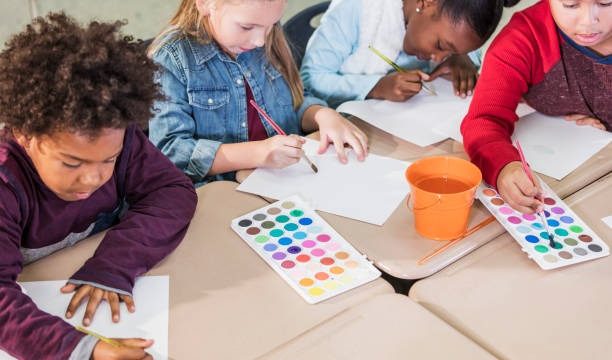
Consider integrating blogs, discussion forums, or even art projects that allow students to express their thoughts creatively. These alternatives can provide a less intimidating way for students to share their insights, making the act of sharing feel more personal and less formal.
Modeling openness and vulnerability
As an educator, your own willingness to share thoughts and experiences can set a powerful example. When students see you being open and vulnerable, it can create a safe space for them to do the same. Sharing your own thoughts on a topic, including your uncertainties or challenges, can foster a sense of camaraderie.
This modeling of openness encourages students to understand that sharing is a two-way street. It shows them that everyone has thoughts and feelings worth sharing, and that vulnerability can lead to deeper connections and understanding.
Creating a routine of sharing
Establishing a regular time for sharing thoughts can help normalize the practice. Consider dedicating a few minutes at the end of each class for students to share reflections or insights they’ve gained. This routine not only fosters a sense of community but also encourages students to think critically about what they’ve learned.
You might also create themed sharing days where students can express thoughts on specific topics. This added structure can help students prepare their ideas in advance, making them feel more confident when it’s time to share.
Fostering a growth mindset
Encouraging a growth mindset can significantly impact how students approach sharing their thoughts. When students understand that mistakes and challenges are part of the learning process, they are more likely to take risks in sharing their ideas. Emphasize that every contribution is valuable, regardless of how polished or well-formed it may be.
Celebrating effort and progress rather than just outcomes can motivate students to express themselves without fear of judgment. When they feel supported in their journey, they are more likely to take the leap and share their thoughts openly.
Encouraging student-led discussions
Empowering students to take charge of discussions can be incredibly beneficial. Consider allowing them to lead certain topics or discussions, giving them ownership of their learning. This not only boosts their confidence but also encourages them to articulate their thoughts more freely.
When students feel they have a stake in the conversation, they may be more likely to engage openly. This shift in dynamic can lead to richer discussions and deeper exploration of ideas, as students bring their unique perspectives to the forefront.
In conclusion, creating an environment where students feel encouraged to share their thoughts is a multifaceted process. By fostering a supportive community, providing varied platforms for expression, and modeling openness, educators can nurture a culture of sharing that enhances the entire learning experience. As students learn to value their voices, they also learn the importance of listening to others, creating a balanced and enriching educational journey for everyone involved.