Creating a positive learning environment can be one of the most rewarding endeavors for educators, parents, and anyone involved in nurturing the minds of others.
It is a space where curiosity flourishes, creativity thrives, and students feel safe to express themselves.
By focusing on a few core techniques, we can cultivate a welcoming atmosphere that promotes growth and learning.
A small shift toward connection
At the heart of a positive learning environment is the connection between individuals. When students feel valued and understood, they are more likely to engage actively in their learning. This connection can begin with simple gestures, such as taking the time to learn students’ names and interests. A warm greeting at the start of each day can set a tone of familiarity and comfort.
Encouraging open communication is another vital aspect. Creating opportunities for students to share their thoughts, questions, and ideas helps them feel heard and respected. This can be as simple as holding regular class discussions or incorporating “circle time” activities where everyone has the chance to speak. When students know that their voices matter, they are more likely to contribute confidently.
Nurturing a sense of belonging
A positive learning environment thrives on inclusivity. It’s essential to create a space where every student feels they belong, regardless of their background or abilities. This can be achieved by celebrating diversity and recognizing the unique contributions each individual brings to the group. Incorporating multicultural materials and perspectives into lessons can help students appreciate the richness of different cultures.
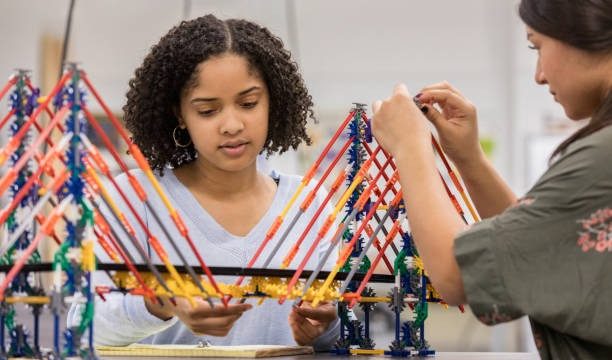
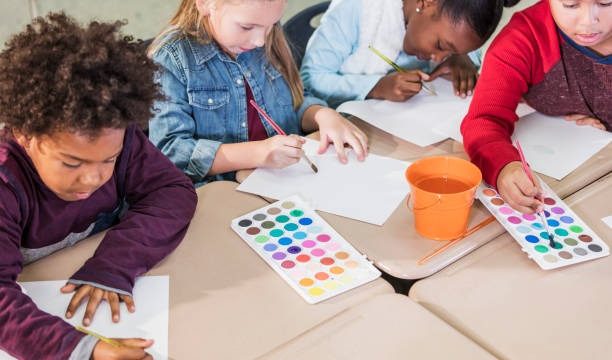
Moreover, fostering peer relationships can enhance feelings of belonging. Group activities that encourage teamwork allow students to bond and build friendships. When they collaborate on projects, they learn the importance of support and respect, creating a community where everyone feels connected.
Fostering a growth mindset
Encouraging a growth mindset is a transformative technique for building a positive learning environment. When students understand that their abilities can develop through effort and perseverance, they become more resilient and open to challenges. This mindset can be nurtured by praising effort rather than innate talent. For instance, acknowledging a student’s hard work in mastering a difficult concept can inspire them to keep pushing forward.
In addition, framing mistakes as learning opportunities is crucial. When students see that errors are simply a part of the learning process, they become more willing to take risks and try new things. This shift in perspective cultivates an atmosphere of experimentation, where exploration is celebrated, and fear of failure diminishes.
Creating a calming atmosphere
The physical environment plays a significant role in how students feel and perform. A well-organized, inviting space can enhance focus and creativity. Simple adjustments, like incorporating natural light, plants, or comfortable seating, can make a significant difference. Consider the sensory experience of the classroom; soft colors, quiet corners, and even gentle background music can contribute to a soothing atmosphere.
Moreover, establishing routines can provide a sense of stability. Students thrive when they know what to expect, so having consistent practices for starting and ending the day, transitioning between activities, or even handling conflicts can promote a calm environment. These routines help students feel secure, allowing them to concentrate on their learning.
Encouraging autonomy and responsibility
Empowering students by giving them choices fosters a sense of ownership over their learning. When students have a say in what and how they learn, they become more invested in the process. This can be as simple as allowing them to select topics for projects or choose from various assignments that cater to their interests and strengths.
Additionally, teaching responsibility is essential in a positive learning environment. Encouraging students to set personal goals and reflect on their progress helps them develop self-awareness. This practice not only builds accountability but also instills a sense of pride in their achievements.
Promoting positive relationships
Building strong relationships among students and between teachers and students is foundational for a positive learning environment. Simple acts of kindness can create a ripple effect, encouraging a culture of respect and empathy. Activities that promote teamwork and collaboration can help students understand the value of supporting one another.
Moreover, teachers can model positive relationships by demonstrating empathy and understanding. When students see their educators handling conflicts with compassion and respect, they learn to emulate these behaviors in their interactions with peers. This modeling fosters an environment where kindness and cooperation are the norm.
Integrating mindfulness practices
Mindfulness can be a powerful tool in creating a positive learning environment. Incorporating brief mindfulness exercises, such as deep breathing or guided imagery, can help students center themselves and reduce anxiety. These practices encourage self-regulation, allowing students to focus better on their learning.
Mindfulness also promotes emotional awareness. When students learn to recognize their emotions and understand how to manage them, they become more equipped to handle challenges. This emotional intelligence contributes to a harmonious classroom atmosphere where students can thrive academically and socially.
Celebrating successes, big and small
Recognizing and celebrating achievements can significantly enhance the positive energy in a learning environment. Acknowledging both individual and collective successes fosters a sense of accomplishment and motivates students to continue striving for excellence. Celebrations can take various forms, from verbal praise to showcasing work on a bulletin board or even hosting a small class gathering.
Creating a culture of appreciation encourages students to support one another. When they learn to celebrate each other’s successes, they build camaraderie and strengthen their relationships. This environment of encouragement nurtures resilience and a desire to learn.
In conclusion, building a positive learning environment is a multifaceted endeavor that requires intention, care, and creativity. By focusing on connection, inclusivity, growth mindset, and emotional well-being, we can create spaces where students feel safe, engaged, and empowered. This nurturing atmosphere not only enhances academic success but also cultivates lifelong learners who are ready to embrace the world with curiosity and confidence.