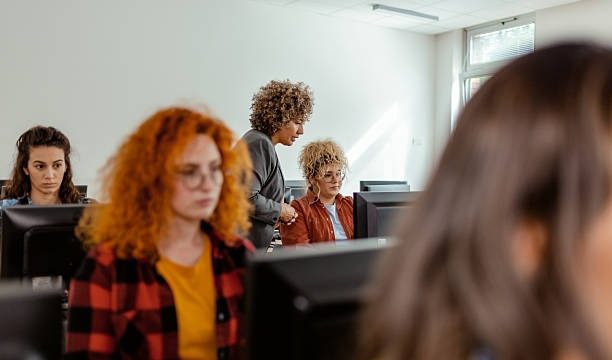
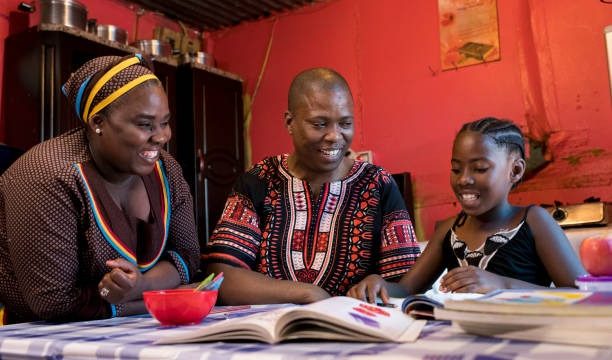
In today’s fast-paced world, the importance of collaborative learning has taken center stage in educational environments.
This approach not only fosters a sense of community among learners but also encourages the exchange of diverse ideas and perspectives.
As we navigate this landscape, a wealth of educational resources has emerged to support collaborative learning, helping students connect and grow together. Let’s explore some of these resources that can transform the learning experience into a more interactive and engaging journey.
A gentle approach to learning together
At the heart of collaborative learning lies the idea that we are stronger together. Resources that promote this philosophy often incorporate platforms and tools designed to facilitate communication and teamwork. One such resource is online discussion forums, which allow learners from various backgrounds to share their thoughts and insights. These platforms create a virtual space where students can pose questions, provide feedback, and engage in meaningful conversations that enhance their understanding of the material.
In addition to forums, collaborative learning tools like Google Workspace offer an intuitive environment for group projects. Imagine a group of students working on a presentation while simultaneously editing a shared document. This real-time collaboration not only increases productivity but also encourages students to learn from one another’s strengths. The simplicity of these tools allows for seamless integration into the learning process, making it easier for students to contribute their unique skills and ideas.
Cultivating creativity through collaboration
Creativity flourishes in collaborative settings. Educational resources that support this aspect often include multimedia platforms that allow students to express their ideas in innovative ways. For instance, video creation tools enable groups to craft engaging presentations, while graphic design software helps them visualize their concepts. By using these resources, students can combine their talents and create projects that reflect their collective imagination.
Moreover, platforms like Padlet provide a digital canvas where learners can brainstorm ideas and share resources. This interactive space encourages spontaneous collaboration, as students can add notes, images, and links in real time. The result is a vibrant tapestry of ideas that showcases the value of teamwork in the creative process. Students not only learn from the subject matter but also develop essential skills in collaboration, communication, and problem-solving.
The power of peer feedback
An integral part of collaborative learning is the opportunity for peer feedback. Educational resources that facilitate this process often include platforms designed for sharing and critiquing work. For instance, online portfolios allow students to showcase their projects and receive constructive criticism from their peers. This exchange not only helps improve individual work but also cultivates a supportive learning environment where students feel valued and heard.
In addition, tools like Flipgrid enable students to create video responses to their peers’ work. This dynamic interaction encourages learners to articulate their thoughts clearly and respectfully, fostering a culture of appreciation and growth. By engaging in this process, students develop a deeper understanding of the material while also honing their ability to provide and receive feedback—skills that are invaluable in both academic and professional settings.
Building community through shared experiences
A sense of belonging is fundamental to effective learning. Resources that promote collaborative learning often focus on building community among students. One such approach is project-based learning, where groups work together to tackle real-world challenges. This method not only deepens their understanding of the subject matter but also strengthens the bonds between group members as they navigate the complexities of the project together.
Additionally, online platforms that facilitate group interactions, such as Zoom or Microsoft Teams, have become essential in today’s educational landscape. These tools allow students to connect, regardless of their physical location. Virtual study groups or collaborative review sessions create opportunities for students to support each other and share resources, fostering a sense of camaraderie that enhances their learning experience.
Encouraging diversity of thought
Collaborative learning thrives on the diversity of thought. Resources that embrace this principle often include platforms that connect learners from different backgrounds and cultures. For instance, global project collaborations allow students to work with peers from around the world, exposing them to new viewpoints and approaches. This exchange not only enriches their understanding of the subject matter but also fosters empathy and respect for differing perspectives.
In addition, educational resources that incorporate inquiry-based learning encourage students to ask questions and explore topics of interest within their groups. This approach empowers learners to take ownership of their education while also valuing the contributions of their peers. By engaging in discussions that challenge their assumptions, students develop critical thinking skills and a deeper appreciation for the complexities of the world around them.
The role of educators in collaborative learning
While students are at the heart of collaborative learning, educators play a vital role in guiding and supporting this process. Resources that assist teachers in facilitating collaborative learning often include professional development workshops, where educators can learn effective strategies for promoting teamwork and communication among students. These workshops enable teachers to create a classroom environment that encourages collaboration, ensuring that students feel comfortable sharing their ideas and working together.
Furthermore, educators can leverage technology to enhance collaborative learning experiences. For example, learning management systems provide a centralized platform for organizing group projects, sharing resources, and tracking progress. By utilizing these tools, teachers can create a structured yet flexible environment that encourages collaboration while also providing the necessary support for student success.
In closing
The landscape of education is continually evolving, and collaborative learning has emerged as a powerful approach that enriches the learning experience. With a variety of educational resources available, students and educators alike can embrace the benefits of teamwork, creativity, and shared knowledge. By fostering a culture of collaboration, we can inspire learners to connect, grow, and thrive together, paving the way for a brighter future filled with possibilities. As we explore these resources, let us remember that learning is not just about acquiring knowledge; it is about building relationships and nurturing the human spirit.