In today’s fast-paced world, creativity, innovation, and problem-solving have become essential skills, not just in the workplace but in everyday life.
These abilities allow us to navigate challenges, think outside the box, and explore new horizons.
Fortunately, there are numerous educational resources available that can foster these skills in a nurturing and engaging way. Whether you’re a parent looking to support your child’s development or an adult seeking to enhance your own capabilities, a wealth of options awaits.
A gentle introduction to creativity
Creativity is often seen as an innate talent, but it’s more like a muscle that can be developed with practice. Many educational resources encourage creative thinking through play and exploration. For young children, imaginative play is a wonderful starting point. Engaging in activities like storytelling, role-playing, or even simple arts and crafts can ignite a child’s imagination. These playful experiences not only stimulate creativity but also foster emotional intelligence and social skills.
As children grow, they can benefit from resources like creative writing workshops or art classes. These environments provide structured support while allowing for personal expression. The beauty of such resources lies in their ability to provide a safe space for experimentation. When children feel free to explore their ideas without fear of judgment, they often discover new ways to express themselves and solve problems.
Cultivating innovation through exploration
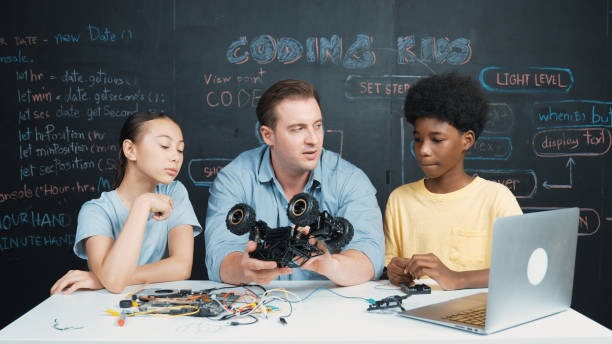
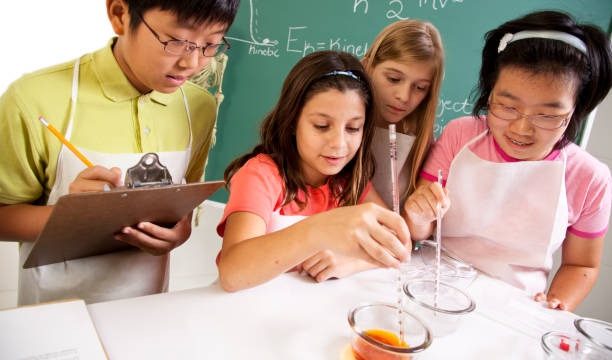
Innovation is about more than just creativity; it’s also about applying creative ideas in practical ways. Hands-on learning experiences can be incredibly effective in nurturing innovative thinking. Educational programs that focus on STEM—science, technology, engineering, and mathematics—encourage students to engage in real-world problem-solving. Robotics clubs and coding camps, for example, allow participants to work on projects that require both creativity and technical skills.
Moreover, many online platforms offer courses in design thinking, a methodology that emphasizes empathy, experimentation, and iteration. These courses encourage learners to identify problems, brainstorm solutions, and test their ideas in a supportive environment. By engaging with these resources, individuals can cultivate an innovative mindset that embraces challenges and sees opportunities where others may not.
Nurturing problem-solving skills
Problem-solving is a critical skill that transcends disciplines. It requires a blend of creativity and analytical thinking. Educational resources that focus on logic games, puzzles, and strategy-based activities can sharpen these abilities. From chess clubs to escape rooms, these engaging experiences stimulate critical thinking and encourage collaborative problem-solving.
Additionally, project-based learning is a powerful approach that can enhance problem-solving skills. In this educational model, students work on real-world projects that require them to research, plan, and execute solutions. By tackling authentic challenges, learners develop resilience and the ability to adapt their strategies based on feedback and results.
The role of mentorship and collaboration
Mentorship can be a transformative resource for fostering creativity, innovation, and problem-solving. Connecting with individuals who have experience in specific fields can provide invaluable insights and guidance. Many organizations offer mentorship programs that pair aspiring professionals with industry leaders. These relationships can inspire new ideas and offer practical advice on overcoming obstacles.
Collaboration is another key aspect of developing these skills. Working with others allows for diverse perspectives, which can lead to more innovative solutions. Group projects, workshops, and community initiatives encourage individuals to share their ideas and learn from one another. This collaborative spirit not only enhances creativity but also builds a sense of community and support.
Embracing technology as a creative tool
In our digital age, technology plays a significant role in education. There are countless apps, websites, and online courses designed to foster creativity and problem-solving. Platforms that offer interactive learning experiences can engage users in new ways, making education feel more dynamic and accessible.
For instance, virtual reality (VR) and augmented reality (AR) technologies are being used in classrooms to create immersive learning experiences. These tools can transport students to different environments, allowing them to explore concepts in a hands-on manner. By experiencing subjects in a more vivid way, learners can develop a deeper understanding and appreciation for the material.
The importance of a supportive environment
Ultimately, the most effective educational resources are those that take into account the individual needs and interests of learners. A supportive environment that encourages curiosity and exploration is vital. Whether it’s at home, in schools, or within community programs, fostering a culture of creativity and innovation can empower individuals to pursue their passions and tackle challenges head-on.
Parents and educators play a crucial role in creating this environment. By providing encouragement and recognizing effort over perfection, they can help learners feel more confident in their abilities. Celebrating small achievements and promoting a growth mindset can inspire individuals to take risks and embrace the learning process.
A journey of lifelong learning
As we navigate through life, the journey of learning never truly ends. The resources available for fostering creativity, innovation, and problem-solving are vast and varied, catering to different interests and age groups. From online courses to community workshops, there are countless opportunities to engage with these essential skills.
Incorporating creative pursuits into daily life can also enrich our experiences. Whether it’s taking up a new hobby, exploring new ideas through reading, or engaging in community projects, there are endless ways to nurture our creative spirit. By embracing these opportunities, we not only enhance our own lives but also contribute to a more innovative and problem-solving-oriented society.
In conclusion, the educational resources that support creativity, innovation, and problem-solving are abundant and diverse. By exploring these options and fostering a supportive environment, we can cultivate these essential skills in ourselves and others. The journey of creativity and innovation is not just about achieving specific goals; it’s about embracing the process of learning and discovery, ultimately enriching our lives and the world around us.