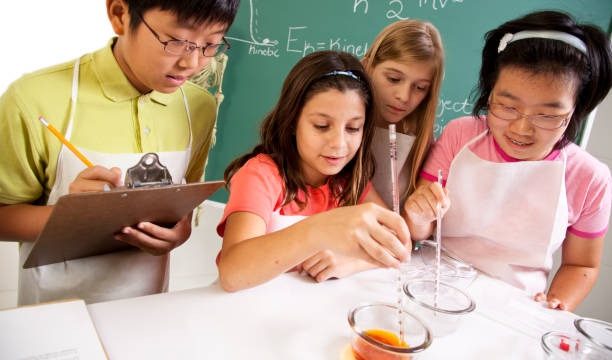
In a world increasingly shaped by technology and creativity, the importance of a balanced education that encompasses STEM (science, technology, engineering, and mathematics), the arts, and the humanities cannot be understated.
Each of these fields offers unique benefits and perspectives, enriching our understanding of the world around us.
As educators, parents, and lifelong learners, it’s essential to explore and utilize resources that support these areas of study, fostering a holistic approach to learning.
The beauty of STEM education lies in its ability to cultivate critical thinking and problem-solving skills. A strong foundation in these subjects equips learners with the tools to navigate an ever-evolving landscape. Fortunately, there are numerous resources available that make STEM learning engaging and accessible.
For younger learners, interactive platforms such as Code.org and Tynker provide a playful entry into coding. These sites offer a variety of fun activities that encourage kids to think logically and creatively while developing essential programming skills. As children progress, they can explore more complex projects that integrate real-world applications, such as building simple games or designing apps.
Older students can benefit from platforms like Khan Academy, which offers comprehensive courses in mathematics, science, and computer programming. The self-paced nature of these courses allows learners to dive deep into topics of interest while providing a supportive framework for those who may need additional help. By blending video tutorials with hands-on exercises, Khan Academy fosters an environment where students can thrive.
In the realm of the arts, creativity flourishes through exploration and expression. Resources that nurture artistic talents and appreciation can be found in abundance. Websites like Artsy and the Museum of Modern Art’s online resources offer virtual tours and interactive lessons that connect students with the rich history of artistic movements and techniques. These platforms inspire learners to think critically about art, encouraging them to develop their own unique voices.
For those interested in music, platforms such as Yousician and Simply Piano provide interactive lessons that cater to various skill levels. These resources make learning an instrument feel less daunting, allowing students to progress at their own pace while enjoying the process. The joy of creating music not only enhances cognitive abilities but also fosters emotional well-being, making it a vital component of a well-rounded education.
As we consider the humanities, it’s essential to recognize the role they play in fostering empathy, cultural awareness, and critical thinking. Literature, history, and philosophy provide windows into diverse perspectives and experiences, enriching our understanding of the human experience.
Online platforms like Project Gutenberg offer access to a vast collection of classic literature, allowing students to explore timeless works that have shaped our society. Engaging with these texts encourages critical analysis and discussion, promoting a deeper appreciation for language and storytelling.
History can be brought to life through resources like the Smithsonian’s digital archives, which house an extensive array of artifacts, documents, and multimedia content. These tools not only make history more relatable but also encourage students to draw connections between past events and current issues, fostering a sense of civic responsibility.
Philosophy, often overlooked in traditional curricula, can be introduced through engaging platforms such as the Internet Encyclopedia of Philosophy. This resource provides accessible explanations of philosophical concepts and thinkers, sparking curiosity and encouraging thoughtful dialogue among learners.
A small shift toward balance can have a profound impact on a student’s educational journey. Integrating STEM, arts, and humanities doesn’t have to be a daunting task. In fact, many resources seamlessly blend these disciplines, creating interdisciplinary approaches that reflect the interconnectedness of knowledge.
For example, STEAM (science, technology, engineering, arts, and mathematics) initiatives emphasize the importance of creativity in scientific inquiry. Programs like the Exploratorium in San Francisco or local makerspaces encourage exploration through hands-on activities that incorporate elements from various fields. These spaces foster collaboration, allowing learners to share ideas and develop projects that reflect their diverse interests.
In addition to online resources, community engagement plays a vital role in enriching educational experiences. Local museums, theaters, and science centers often offer workshops and events that invite participants of all ages to explore topics in an interactive setting. These opportunities not only enhance learning but also strengthen community ties and foster a sense of belonging.
As we navigate the myriad of educational resources available today, it’s crucial to prioritize a balanced approach that values the contributions of STEM, arts, and humanities. Each discipline offers unique insights and skills that, when combined, create a more comprehensive understanding of the world.
Encouraging curiosity and creativity is key to nurturing a generation of well-rounded individuals. Whether through online platforms, community programs, or simply engaging in conversations about ideas and experiences, we can support learners in their quest for knowledge.
In a time when education is more accessible than ever, let’s embrace the vast array of resources at our fingertips. By fostering a love for learning that encompasses all aspects of human knowledge, we can inspire the next generation to explore, innovate, and create a better future for themselves and for society as a whole.
The journey through education is a lifelong adventure, and by weaving together the threads of STEM, arts, and humanities, we can create a rich tapestry that reflects the beauty and complexity of our world. Together, let’s cultivate an environment where curiosity thrives, creativity flourishes, and knowledge knows no bounds.