In today’s fast-paced world, the way we approach education is evolving.
As we strive to make learning more accessible and engaging for students of all backgrounds, it’s essential to consider how we can create educational resources that resonate with them.
Whether you are a teacher, a parent, or an educational content creator, the journey to making learning enjoyable and inclusive can be both fulfilling and transformative.
A gentle shift toward inclusivity
Creating educational resources that are accessible begins with understanding the diverse needs of students. Every child learns differently, and recognizing this diversity is the first step toward crafting materials that cater to all. Consider the various learning styles—visual, auditory, kinesthetic—and how you can incorporate elements that appeal to each. For instance, using colorful visuals and diagrams can help visual learners grasp complex concepts, while interactive activities can engage those who thrive on hands-on experiences.
It’s also important to think about language and terminology. Using clear, simple language can help break down barriers, ensuring that all students can understand the material. Avoid jargon whenever possible, and consider providing glossaries for more complex terms. By creating resources that are easy to digest, you foster an environment where students feel empowered to engage with the content.
Building connections through storytelling
One of the most powerful tools in education is storytelling. Stories have a way of capturing our attention and making information relatable. Incorporating narratives into educational resources can transform dry facts into engaging tales that students can connect with on a personal level. Whether through fictional stories that illustrate scientific principles or historical narratives that bring past events to life, storytelling can ignite curiosity and enhance retention.
Consider also the cultural relevance of the stories you choose. Including diverse perspectives and experiences not only enriches the learning experience but also helps students see themselves represented in the material. When students can relate to what they are learning, they are more likely to engage deeply and develop a lasting interest in the subject matter.
Creating interactive experiences
Engagement flourishes when students can actively participate in their learning. Traditional methods of education often involve passive consumption of information, which can lead to disinterest. By incorporating interactive elements into educational resources, you can create a dynamic learning environment that encourages participation.
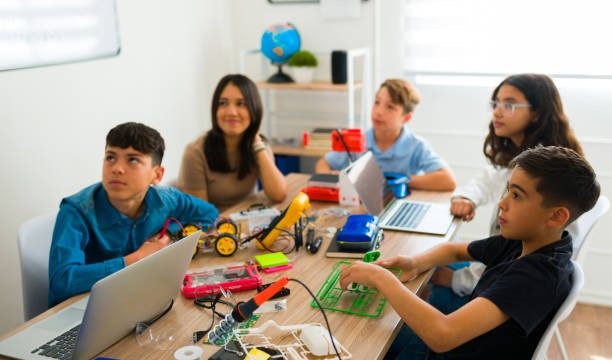
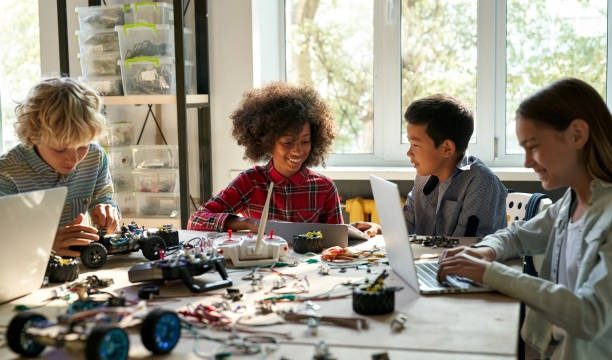
Think about how technology can play a role in this. Digital platforms can offer interactive quizzes, games, and simulations that make learning more enjoyable. For example, educational apps can allow students to explore complex concepts through virtual experiments or interactive storytelling. Even simple activities, like group discussions or hands-on projects, can foster collaboration and critical thinking.
A nurturing approach to feedback
Feedback is an essential component of the learning process, but it must be delivered in a way that feels supportive rather than punitive. When students receive constructive feedback, it should be framed positively, focusing on their strengths while gently guiding them toward areas for improvement. This nurturing approach helps students build resilience and a growth mindset, encouraging them to view challenges as opportunities for learning.
Creating avenues for peer feedback can also be beneficial. When students share their work with classmates and receive input from one another, they not only learn from their peers but also develop important communication and collaboration skills. This communal approach to learning fosters a sense of belonging and can enhance motivation.
Mindfulness in education
Incorporating mindfulness practices into educational resources can create a more balanced learning experience for students. Mindfulness encourages students to be present and engaged, helping them manage stress and enhance focus. Simple activities, such as guided breathing exercises or moments of reflection, can be integrated into lessons to create a calm and centered atmosphere.
Moreover, promoting a growth mindset within the classroom can help students embrace challenges with a positive outlook. Encouraging them to see mistakes as part of the learning journey fosters resilience and a willingness to explore new ideas. When students feel supported in their learning, they are more likely to take risks and engage with the material.
The power of community involvement
Education is not solely the responsibility of teachers and schools; it thrives in a community context. Engaging parents, caregivers, and local organizations can create a richer learning environment. When families are involved in their children’s education, students benefit from additional support and resources. Consider organizing workshops or events that encourage community participation, allowing families to learn alongside their children.
Building partnerships with local organizations can also enhance educational resources. For example, museums, libraries, and cultural centers often offer programs and materials that can complement classroom learning. By tapping into these community resources, you can provide students with unique experiences that broaden their horizons and deepen their understanding of various subjects.
A holistic approach to education
Ultimately, making educational resources accessible and engaging requires a holistic approach. It’s about recognizing the whole student—their emotional, social, and intellectual needs. When educational materials reflect this understanding, they can inspire a love for learning that lasts a lifetime.
As we continue to innovate and adapt our educational resources, let’s remember the importance of compassion and empathy. By creating an environment where every student feels valued and included, we can pave the way for a brighter future. Together, we can cultivate curiosity, foster creativity, and ignite a passion for learning in every student.
In this journey of education, let’s strive to create resources that not only inform but also inspire. Through thoughtful design, inclusive storytelling, and community engagement, we can transform the educational landscape, making it a place where all students thrive.