In the ever-evolving landscape of education, the importance of fostering strong relationships within the classroom has never been more evident.
These relationships, built on trust, respect, and understanding, create a nurturing environment where both teachers and students can thrive.
The good news is that there are numerous classroom activities designed to strengthen these connections, making the learning experience more enriching for everyone involved.
Creating a warm and inviting atmosphere is essential for effective learning. One of the simplest yet most powerful ways to achieve this is through personal storytelling. Encouraging students to share their own stories fosters empathy and connection among classmates. This activity can take many forms—whether it’s a brief introduction on the first day of school or a more structured sharing session throughout the year. When students listen to each other’s experiences, they begin to see one another as more than just classmates; they become part of a supportive community where everyone’s voice matters.
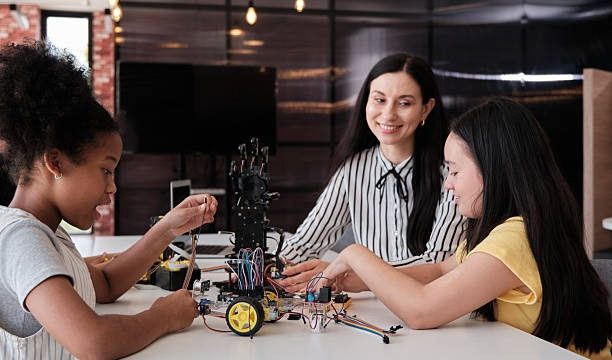
Another effective way to enhance classroom relationships is through collaborative projects. Group assignments encourage students to work together toward a common goal, allowing them to learn from one another while developing important social skills. These projects can be academic in nature, such as creating a presentation or conducting a science experiment, or they can focus on community service, such as organizing a charity event. By collaborating, students learn to appreciate each other’s strengths and perspectives, fostering a sense of unity and teamwork.
A gentle shift toward balance can also be achieved through team-building exercises. These activities, which can be fun and light-hearted, help to break down barriers and build trust among students. Simple games that require cooperation, such as trust falls or problem-solving challenges, encourage students to rely on one another. These moments of vulnerability can lead to deeper connections and a greater sense of belonging within the classroom.
Incorporating mindfulness practices into the classroom can also work wonders for relationship-building. Taking a few moments each day for mindfulness exercises, such as deep breathing or guided meditation, creates a calm space for students to center themselves. This practice not only helps students manage stress but also fosters a sense of community as they share a collective experience. When students feel grounded, they are more likely to engage positively with one another, creating a harmonious environment conducive to learning.
Celebrating achievements, both big and small, can also strengthen classroom relationships. Acknowledging individual and group accomplishments fosters a culture of appreciation and encouragement. Whether it’s through a simple shout-out during class or a more formal recognition ceremony, celebrating successes helps students feel valued and connected to their peers. This culture of recognition encourages everyone to support one another, reinforcing the idea that each student plays an important role in the classroom community.
Creating opportunities for peer mentorship is another gentle yet effective way to build relationships. Pairing older students with younger ones or more experienced students with those who may need extra support creates bonds that extend beyond the classroom. Mentorship encourages responsibility, empathy, and leadership skills, allowing students to learn from each other’s experiences. These connections can lead to lasting friendships that enrich the entire educational experience.
Incorporating art and creativity into classroom activities can also serve as a bridge to strengthen relationships. Collaborative art projects, such as murals or group sculptures, allow students to express themselves while working together. This shared creative process can lead to meaningful conversations and deeper understanding among classmates. When students collaborate on artistic endeavors, they often discover common interests and talents, further enhancing their connections.
Another way to nurture relationships is by creating a safe space for open dialogue. Establishing a classroom environment where students feel comfortable discussing their thoughts and feelings can significantly enhance relationships. Regularly scheduled discussions or “circle time” where students can express their ideas and concerns fosters trust. When students know they can share their thoughts without judgment, they are more likely to engage with one another authentically.
Incorporating cultural exchange activities can also be a beautiful way to strengthen relationships. Encouraging students to share their backgrounds, traditions, and customs fosters appreciation and understanding among classmates. This could be through cultural presentations, food days, or storytelling sessions. Learning about each other’s cultures not only broadens perspectives but also creates a tapestry of shared experiences that bind the classroom community together.
As the school year unfolds, the importance of maintaining these connections cannot be overstated. Regular check-ins or “relationship-building days” can help ensure that the bonds formed are nurtured and strengthened. These days can be dedicated to fun activities, discussions, or even simple relaxation sessions. By prioritizing relationships, teachers and students alike can cultivate an atmosphere where everyone feels valued and respected.
Ultimately, the goal of these activities is to create a classroom environment where every student feels seen, heard, and connected. By engaging in activities that promote collaboration, creativity, and open dialogue, educators can help foster relationships that extend beyond the classroom walls. These connections not only enhance the educational experience but also prepare students for future interactions in their personal and professional lives.
As we continue to navigate the complexities of education, let us remember the profound impact that strong relationships can have on the learning process. By embracing activities that promote connection, empathy, and understanding, we can create a classroom culture that truly supports and uplifts every individual. Together, let us strive to build a community where everyone feels a sense of belonging, paving the way for a more harmonious and enriching educational journey.