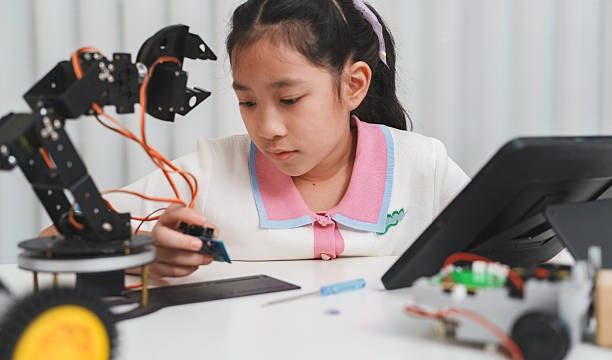
In the ever-evolving landscape of technology, artificial intelligence (AI) and machine learning (ML) have emerged as transformative forces, gently reshaping our daily lives in ways we might not even realize.
From the way we interact with our devices to how businesses make decisions, these advanced technologies are becoming woven into the fabric of modern living.
Understanding the basics of AI and machine learning can help demystify these concepts and illuminate their potential benefits.
A gentle introduction to AI
At its core, artificial intelligence refers to the capability of a machine to imitate intelligent human behavior. This concept may sound futuristic, but AI is already present in various forms, enhancing our experiences and making tasks easier. Think of virtual assistants like Siri or Alexa that can respond to your queries, or recommendation systems that suggest movies or products based on your preferences. These applications are just the tip of the iceberg, showcasing how AI can make our lives more convenient and personalized.
As we delve deeper into this fascinating field, we begin to understand that AI is not a single entity but a collection of technologies and methodologies. From natural language processing, which helps machines understand human language, to computer vision, enabling them to interpret visual information, AI encompasses a wide range of capabilities. Each of these technologies contributes to creating smarter systems that can learn from data, adapt to new information, and perform tasks that traditionally required human intelligence.
Embracing the journey of machine learning
Machine learning, a subset of AI, is where the magic truly happens. While traditional programming involves writing specific instructions for a computer to follow, machine learning allows computers to learn from data and improve their performance over time. This process involves feeding large amounts of data into algorithms, enabling them to identify patterns and make predictions.
Imagine teaching a child to recognize different animals. You might show them pictures of dogs, cats, and birds, explaining the unique features of each. Over time, the child learns to identify these animals on their own. In a similar way, machine learning algorithms are trained using data sets, gradually refining their ability to make accurate predictions or classifications.
This ability to learn and evolve is what sets machine learning apart from traditional programming. It opens up a world of possibilities, allowing businesses to analyze vast amounts of data and extract valuable insights. Whether it’s predicting customer behavior, optimizing supply chains, or enhancing user experiences, machine learning is a powerful tool that can drive innovation and efficiency.
Finding balance in ethical considerations
As with any powerful technology, the rise of AI and machine learning brings with it important ethical considerations. It’s crucial to approach these advancements with mindfulness and responsibility. Issues such as data privacy, algorithmic bias, and the potential for job displacement are conversations that must be part of the broader dialogue surrounding AI.
Organizations and developers are increasingly recognizing the importance of creating ethical AI systems. This involves ensuring transparency in how algorithms are trained, addressing biases in data sets, and prioritizing user privacy. By fostering a culture of accountability and ethical practices, we can harness the benefits of AI and machine learning while minimizing potential risks.
A small shift toward collaboration
The integration of AI and machine learning into our lives does not mean that human intelligence is being replaced. Instead, it often leads to a harmonious collaboration between humans and machines. By automating repetitive tasks and providing insights that inform decision-making, these technologies allow us to focus on more creative and strategic aspects of our work.
In many industries, professionals are finding that AI enhances their capabilities rather than diminishes them. For example, in healthcare, AI can assist doctors in diagnosing diseases by analyzing medical images with remarkable accuracy. This collaboration enables healthcare providers to offer better patient care, leveraging technology to support their expertise.
As we embrace this collaborative spirit, it’s essential to remain open-minded and adaptable. The landscape of work is changing, and with it, the skills we need to thrive in a technology-driven world. Continuous learning and a willingness to embrace new tools will be key to navigating this evolving terrain.
Looking ahead with optimism
The future of AI and machine learning is filled with promise. As these technologies continue to advance, we can expect to see even more innovative applications across various sectors. From smart cities that optimize energy usage to personalized education platforms that cater to individual learning needs, the possibilities are truly exciting.
However, it’s essential to approach this future with a balanced perspective. While the potential benefits are vast, we must also be mindful of the challenges that come with rapid technological change. Engaging in discussions about the ethical implications, fostering inclusivity in technology development, and ensuring that the benefits of AI are accessible to all are vital steps in shaping a positive future.
In conclusion, understanding the basics of AI and machine learning invites us to explore the profound impact these technologies have on our lives. By embracing this journey with curiosity and mindfulness, we can navigate the evolving landscape with confidence. As we look ahead, let’s celebrate the potential of AI and machine learning as partners in our quest for a smarter, more connected world. The future is bright, and with it comes the opportunity to enhance our lives in meaningful ways.