In an ever-evolving world, the ability to think creatively and solve problems is more essential than ever.
Classrooms serve as the perfect environment for nurturing these skills, allowing students to explore, experiment, and innovate.
Engaging in activities that encourage creative problem-solving not only enhances academic learning but also fosters a sense of collaboration and community among students. Here are some enriching classroom activities that can ignite the spark of creativity and help students tackle challenges with confidence.
One effective way to promote creative problem-solving is through collaborative projects. When students work together, they are exposed to diverse perspectives, which can lead to innovative solutions. For instance, consider a project where students are tasked with designing a sustainable garden for their school. This activity encourages them to brainstorm ideas, research plant species, and consider environmental factors. As they collaborate, they learn to listen to each other’s ideas and build on them, creating a final product that reflects their collective creativity.
Another engaging approach is to incorporate role-playing scenarios. By stepping into different roles, students can explore various viewpoints and develop empathy for others. For example, a classroom debate on a current social issue can be transformed into a role-playing exercise where students represent different stakeholders. This not only enhances their understanding of the topic but also encourages them to think critically about potential solutions from multiple angles. The experience can be both enlightening and entertaining, making learning feel more relevant and impactful.
Incorporating art into problem-solving activities can also yield remarkable results. Art encourages students to express their thoughts and ideas visually, which can lead to unique insights. A fun activity might involve having students create a visual representation of a problem they wish to solve, such as pollution in their community. They can use drawings, paintings, or even digital media to illustrate their thoughts. This creative outlet allows them to explore the issue deeply and propose innovative solutions, while also developing their artistic skills.
Another gentle yet powerful method to stimulate creative thinking is through storytelling. By weaving narratives around real-life problems, students can engage their imaginations and explore various solutions. A teacher might present a story about a community facing a challenge, such as a lack of clean water. Students can then discuss the story, brainstorm potential solutions, and even create their own narratives that reflect their ideas. This activity not only enhances their creative writing skills but also encourages them to think critically about societal issues.
A small shift toward balance can be achieved through mindfulness and reflection activities. Providing students with time to think about their learning experiences can foster deeper understanding and creativity. Simple practices like journal writing or guided meditation can help students connect with their thoughts and feelings, making it easier for them to approach problems with a clear mind. When students take a moment to reflect, they often discover unique solutions that they may not have considered in the heat of the moment.
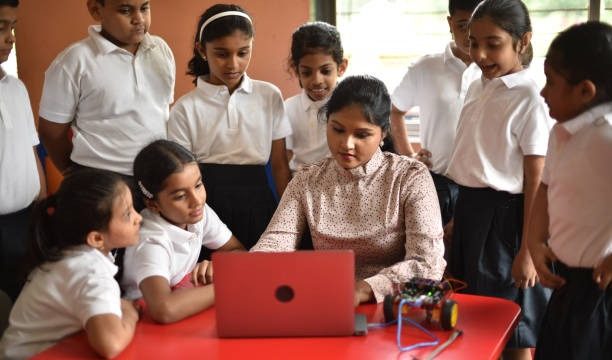
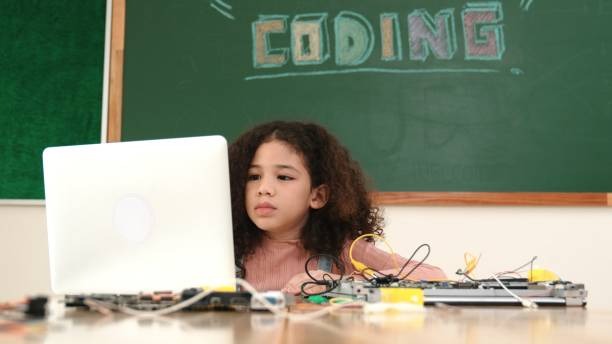
Involving technology can also enhance creative problem-solving in the classroom. Students today are digital natives, and leveraging technology can make learning more engaging. A project that encourages students to create a website or app addressing a community issue can be a fantastic way to marry creativity with technology. As they design their digital products, they will need to think critically about user experience, functionality, and design, all while working collaboratively to bring their ideas to life.
Exploring nature can be another wonderful avenue for fostering creative problem-solving. Outdoor activities, such as nature walks or scavenger hunts, encourage students to observe their surroundings and think critically about the environment. For instance, while on a nature walk, students can identify environmental issues, such as litter or erosion, and brainstorm solutions. This hands-on experience not only inspires creativity but also fosters a sense of responsibility for the world around them.
Incorporating games into the classroom can also provide a playful yet effective way to encourage creative problem-solving. Games that require strategy and teamwork, such as escape rooms or puzzle challenges, can stimulate critical thinking and collaboration. These activities allow students to work together to solve problems in a fun and engaging manner, reinforcing the idea that creativity often flourishes in a supportive environment.
As educators, it is important to create a safe space where students feel comfortable expressing their ideas. Encouraging an open dialogue where every voice is valued can significantly enhance creative problem-solving. When students know they can share their thoughts without fear of judgment, they are more likely to think outside the box and propose innovative solutions. Fostering a supportive classroom culture can be as simple as celebrating small victories and encouraging peer feedback.
Finally, incorporating real-world challenges into the classroom can provide students with a meaningful context for their problem-solving efforts. By presenting them with authentic problems, such as designing a recycling program for the school, students can see the direct impact of their creative solutions. This connection to the real world not only enhances their learning experience but also instills a sense of purpose and responsibility.
In conclusion, the classroom can be a vibrant space for creativity and problem-solving when teachers thoughtfully incorporate engaging activities. By fostering collaboration, embracing diverse perspectives, and encouraging reflection, educators can help students develop the skills they need to navigate challenges both inside and outside the classroom. As we nurture these creative minds, we are not just preparing them for academic success, but for a future where they can approach life’s complexities with confidence and ingenuity. Through thoughtful activities, we can inspire the next generation of problem solvers, thinkers, and innovators.