In today’s fast-paced world, the importance of collaboration is becoming increasingly clear, especially in educational settings.
Classroom activities that foster collaboration not only enhance learning but also help students develop essential life skills.
By engaging in cooperative tasks, students learn to communicate effectively, respect diverse viewpoints, and build lasting relationships. Here, we explore some enriching classroom activities that can promote healthy collaboration among students, creating a vibrant learning atmosphere.
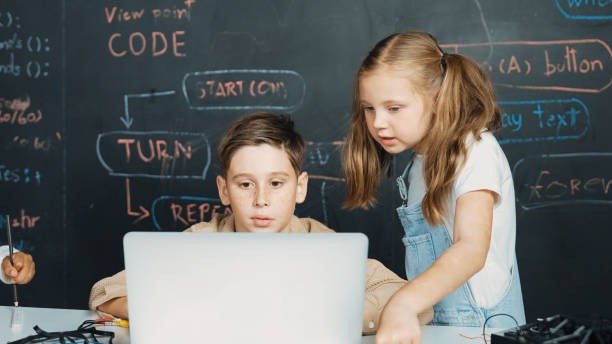
A gentle introduction to shared experiences can set the stage for deeper connections. One effective way to encourage collaboration is through group projects that allow students to explore a common topic or problem. These projects can be tailored to various subjects, whether it’s a science experiment, a historical investigation, or a creative art project. By working together, students can share their strengths and talents, making the learning experience more dynamic. This not only helps them gain knowledge but also teaches them the value of teamwork.
Another wonderful approach is to incorporate peer teaching into the classroom. This technique involves students taking turns to explain concepts or share skills with one another. When a student teaches a peer, they reinforce their own understanding while also enhancing their communication skills. This reciprocal learning process fosters an environment where students feel valued and empowered, as everyone has something unique to contribute. It’s a beautiful reminder that learning is a shared journey.
Creating a classroom culture that emphasizes respect and open dialogue is crucial. One way to nurture this environment is through regular class discussions. These discussions can revolve around current events, literature, or any topic relevant to the curriculum. By encouraging students to express their thoughts and listen to differing opinions, you cultivate a space where collaboration flourishes. Students learn to appreciate diverse perspectives, which can lead to richer conversations and a deeper understanding of the subject matter.
A small shift toward balance can be achieved through collaborative problem-solving activities. Presenting students with real-world challenges encourages them to brainstorm solutions together. For instance, you might introduce a scenario that requires them to strategize as a team, whether it’s planning a community service project or developing a business idea. This kind of engagement not only strengthens their critical thinking skills but also promotes a sense of unity as they work toward a common goal.
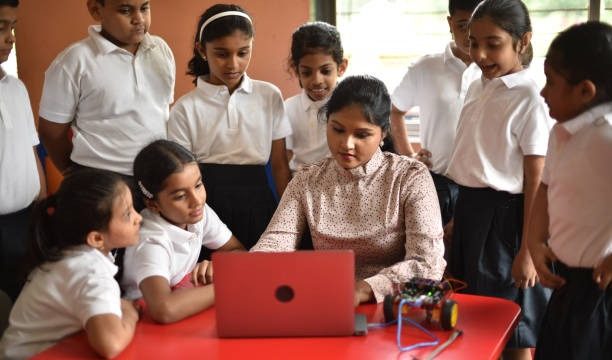
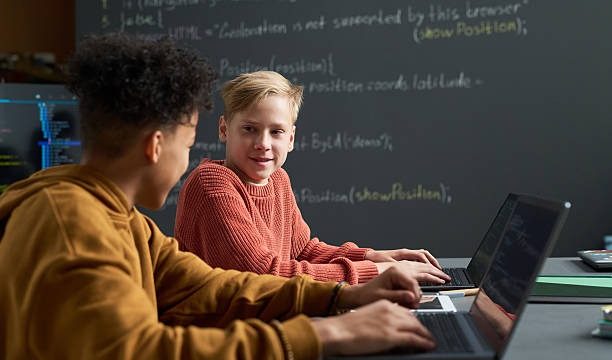
Incorporating technology into collaborative activities can also enhance the learning experience. Digital tools such as shared documents or project management apps allow students to collaborate seamlessly, even outside the classroom. This flexibility can be particularly beneficial for group projects, as it enables students to contribute ideas and feedback at their own pace. Moreover, it prepares them for future collaborative endeavors in an increasingly digital world.
Art can be a powerful medium for collaboration, often transcending verbal communication. Group art projects, such as mural painting or collective installations, encourage students to express their creativity while working together. These activities foster a sense of community and shared ownership, as students can see the tangible results of their joint efforts. Moreover, the process of creating art together can serve as a wonderful icebreaker, helping students to bond and build trust.
The beauty of collaboration lies in its ability to teach empathy and understanding. Activities such as role-playing or simulations can provide students with insights into different viewpoints and experiences. By stepping into someone else’s shoes, students can develop a deeper appreciation for the diverse backgrounds and perspectives that exist within their classroom. This kind of experiential learning not only enriches their educational experience but also nurtures their social-emotional development.
Celebrating achievements, both big and small, can further enhance a collaborative atmosphere. Recognizing the contributions of each student fosters a sense of belonging and encourages continued participation. Whether it’s through a simple acknowledgment in class or a more formal celebration of group accomplishments, these moments can reinforce the importance of teamwork. Students learn that their efforts, when woven together, create something greater than the sum of its parts.
Encouraging reflection after collaborative activities can provide valuable insights into the process. Allowing students to discuss what worked well and what could be improved helps them develop critical thinking skills. This reflection also reinforces the idea that collaboration is a continuous learning experience. By discussing their feelings and observations, students can identify how to enhance their teamwork skills for future projects.
Incorporating elements of play into collaborative activities can also be beneficial. Games that require teamwork, strategy, and communication can promote collaboration in a fun and engaging way. These playful interactions can help to break down social barriers and encourage students to work together naturally. When learning feels enjoyable, students are more likely to embrace collaboration and see it as a positive experience.
As we navigate the complexities of modern education, prioritizing healthy collaboration in the classroom is essential. By engaging students in diverse activities that foster teamwork, communication, and empathy, we equip them with the skills they need to thrive in both their academic and personal lives. The connections built through these collaborative experiences can create a supportive learning environment, where every student feels valued and inspired to contribute.
In conclusion, classroom activities that promote healthy collaboration are vital for nurturing a sense of community and enhancing the learning experience. Through group projects, peer teaching, open discussions, and experiential learning, students can develop essential skills that will serve them well beyond the classroom. As we encourage our students to work together, we are not only preparing them for academic success but also for the collaborative nature of life itself. By fostering a culture of respect, understanding, and shared purpose, we can create a more harmonious and enriching educational experience for all.