In today’s fast-paced world, the ability to connect with others has never been more essential.
Interpersonal skills are the cornerstone of effective communication, collaboration, and relationship-building.
They enable us to navigate social situations with ease and foster healthy interactions.
In the classroom, creating an environment that nurtures these skills is vital for both personal and academic growth. Here, we explore some engaging activities that can transform a typical classroom into a vibrant hub of interpersonal development.
A gentle introduction to connection
One of the most effective ways to strengthen interpersonal skills is through activities that encourage students to share experiences and perspectives. Simple icebreaker games can set the stage for deeper connections. For instance, starting a class with a “two truths and a lie” session allows students to share personal anecdotes while also engaging in playful deception. This activity not only sparks laughter but also invites curiosity, making it an ideal way for classmates to learn about each other in a relaxed setting.
As students reveal their truths and lies, they practice active listening and critical thinking. These skills are essential for meaningful conversations, as they empower individuals to engage thoughtfully with others. By fostering an atmosphere of trust and openness, students feel more comfortable expressing themselves, paving the way for stronger relationships.
Building empathy through storytelling
Storytelling is a powerful tool for developing empathy and understanding among students. When individuals share their stories, they invite others into their experiences, creating a bridge of connection. In the classroom, teachers can introduce storytelling circles, where each student has the opportunity to share a personal story or a favorite memory.
This activity encourages students to listen attentively and respond with compassion. It also provides a platform for diverse perspectives, as students learn about each other’s backgrounds and experiences. By cultivating empathy through storytelling, students not only strengthen their interpersonal skills but also foster a sense of belonging within the classroom community.
Exploring collaboration through group projects
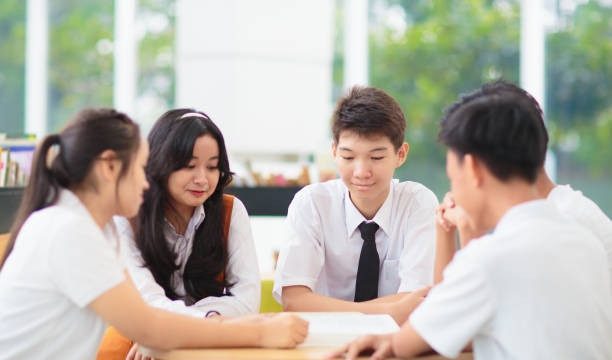
Collaborative projects are an excellent avenue for enhancing interpersonal skills while working towards a common goal. When students are grouped together, they must communicate effectively, delegate tasks, and support one another. This process not only hones their ability to work as a team but also reinforces the importance of compromise and negotiation.
Teachers can guide students in selecting topics that resonate with their interests, ensuring that everyone feels invested in the project. As they brainstorm ideas and tackle challenges, students learn to appreciate each other’s strengths and contributions. This collaborative spirit cultivates respect and camaraderie, laying the foundation for lasting friendships.
A small shift toward balance
Incorporating mindfulness activities into the classroom can significantly enhance interpersonal skills. Mindfulness practices, such as guided meditation or deep-breathing exercises, encourage students to become more aware of their emotions and reactions. When students learn to manage their feelings, they are better equipped to interact positively with their peers.
Mindfulness can also be woven into group discussions. Taking a moment for collective breathing before delving into a topic allows students to center themselves and approach conversations with an open heart. This practice fosters a calm environment where students feel safe to express their thoughts and feelings, ultimately strengthening their ability to connect with others.
Games that encourage communication
Interactive games are another delightful way to build interpersonal skills in the classroom. Activities like charades or Pictionary promote non-verbal communication, urging students to express themselves without relying solely on words. These games encourage creativity and quick thinking, as students must find innovative ways to convey their ideas.
Additionally, role-playing games can serve as a powerful tool for understanding different perspectives. By stepping into another person’s shoes, students learn to appreciate diverse viewpoints and develop empathy. This experiential learning reinforces the idea that effective communication goes beyond words; it involves understanding emotions, body language, and context.
Fostering a culture of feedback
Creating a classroom environment where feedback is valued can significantly enhance interpersonal skills. Encouraging students to give and receive constructive feedback after presentations or group activities cultivates a growth mindset. It teaches students to articulate their thoughts respectfully while also accepting input from others.
To facilitate this process, teachers can model effective feedback techniques, emphasizing the importance of being specific and supportive. By practicing this skill regularly, students become more adept at navigating difficult conversations, ultimately strengthening their relationships with peers and educators alike.
Nurturing leadership opportunities
Leadership activities can be instrumental in developing interpersonal skills among students. Allowing students to take on leadership roles in various projects or classroom initiatives fosters a sense of responsibility and accountability. As they lead discussions or coordinate group efforts, students learn to communicate clearly, inspire others, and navigate challenges with poise.
Encouraging peer mentoring also provides an excellent platform for interpersonal skill development. When students mentor one another, they practice active listening, empathy, and guidance. This reciprocal relationship not only builds confidence but also strengthens the bonds between students, creating a supportive network within the classroom.
Creating a harmonious environment
Ultimately, the key to strengthening interpersonal skills lies in creating a harmonious classroom environment. Teachers can facilitate this by modeling positive communication, promoting inclusivity, and encouraging collaboration. By prioritizing emotional intelligence and fostering a sense of community, educators can empower students to develop essential interpersonal skills that will serve them well beyond the classroom.
As we explore the myriad of activities that nurture these skills, it becomes clear that the journey toward effective communication and connection is not just about individual growth. It is about creating a collective experience where students feel valued, understood, and empowered. In this space, interpersonal skills flourish, paving the way for lasting friendships and meaningful interactions that enrich our lives.