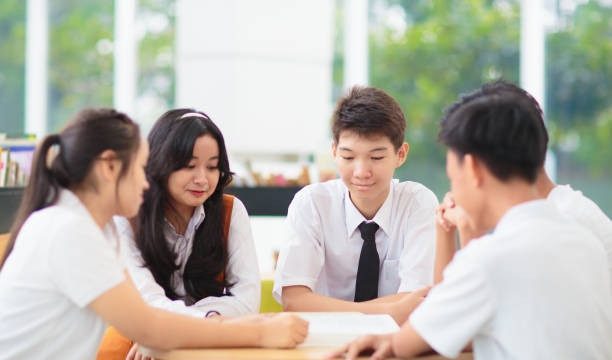
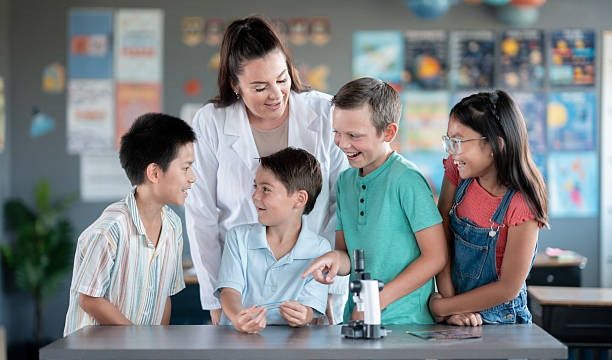
In the heart of every classroom lies a vibrant world of interaction, growth, and discovery.
The traditional model of learning, often characterized by individual tasks and solitary study, is gradually giving way to a more interconnected approach known as cooperative learning.
This method not only enriches the educational experience but also nurtures essential social skills and fosters a sense of community among students. Here, we’ll explore some engaging classroom activities that embrace cooperative learning, creating a harmonious environment for students to thrive.
The beauty of cooperative learning lies in its ability to bring diversity into the learning process. When students collaborate, they share their unique perspectives and strengths, leading to a richer understanding of the subject matter. One simple yet effective activity is the “Jigsaw” technique. In this activity, students are divided into small groups, with each member assigned a different segment of material to learn and master. After they have delved into their individual sections, they come together to teach one another. This approach not only empowers students to take ownership of their learning but also reinforces the value of teamwork and communication.
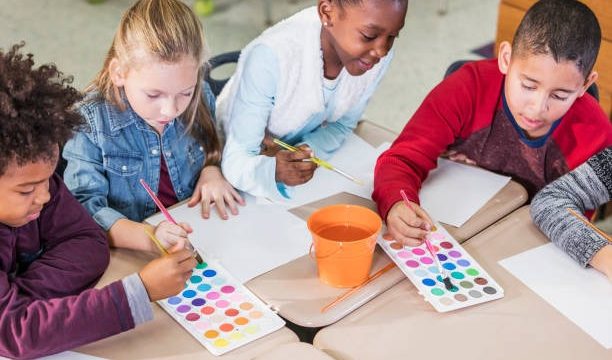
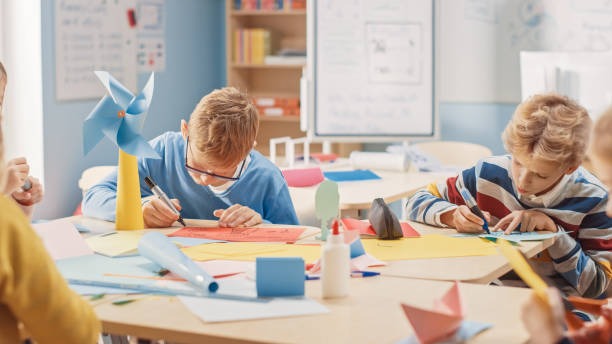
Another delightful way to foster cooperative learning is through project-based activities. These projects can range from creating a presentation on a historical event to designing a science experiment. The key is to allow students to work together toward a common goal. As they brainstorm ideas, delegate tasks, and combine their talents, they learn to appreciate each other’s strengths and contributions. This collaborative effort not only enhances their understanding of the subject but also promotes critical thinking and problem-solving skills.
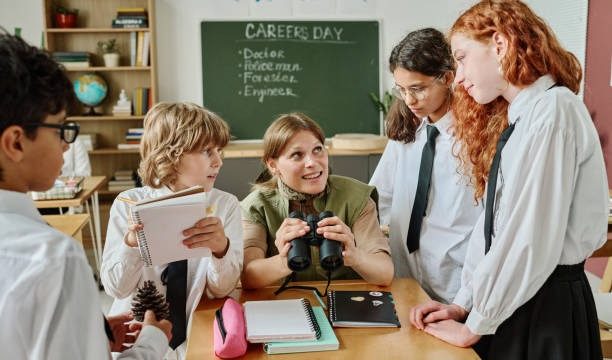
Incorporating games into the learning process can also be a wonderful way to encourage cooperation. Consider activities that require teamwork, such as a scavenger hunt or a trivia contest. These games can be tailored to fit various subjects, making learning both fun and interactive. As students work together to solve clues or answer questions, they develop a sense of camaraderie and build lasting friendships. The laughter and excitement that accompany these activities create a positive atmosphere, making the classroom a space where students feel safe to express themselves and take risks.
A small shift toward balance can also be found in peer teaching. This activity allows students to take on the role of the teacher, guiding their classmates through a particular topic or skill they have mastered. Not only does this reinforce the student’s own understanding, but it also builds confidence and communication skills. When students teach one another, they form deeper connections and foster a supportive learning environment. This peer-to-peer interaction encourages a culture of respect and collaboration, where every voice is valued.
In a world increasingly defined by technology, integrating digital tools can enhance cooperative learning experiences. Platforms that allow for collaborative projects, such as shared documents or online discussion boards, can help students work together seamlessly, even outside of the classroom. These tools provide opportunities for brainstorming, feedback, and collective problem-solving. Students can learn to navigate technology as a team, preparing them for future collaborative endeavors in an increasingly interconnected world.
Creating a community circle is another gentle yet effective way to support cooperative learning. In this setting, students gather in a circle to share thoughts, feelings, or reflections on a particular topic. This practice encourages active listening and respect for diverse opinions. By fostering an environment where everyone feels heard, students learn the importance of empathy and understanding. This simple act of sharing can strengthen bonds and create a sense of belonging within the classroom.
As we consider the role of cooperative learning in education, it’s essential to recognize the importance of reflection. After completing a group activity, dedicating time for students to discuss what worked well and what could be improved can be invaluable. This reflective practice encourages students to think critically about their experiences and the dynamics of teamwork. By discussing successes and challenges, they can develop strategies for future collaborations, enhancing their ability to work together effectively.
Encouraging students to set group goals can also enhance their cooperative learning experience. When students collectively decide on objectives, they become more invested in the outcome. This shared commitment fosters accountability and motivates them to support one another in reaching their goals. Whether it’s improving grades, mastering a skill, or completing a project, working towards a common aim can strengthen their connection and sense of community.
In the spirit of nurturing cooperative learning, it’s important to create an inclusive environment where every student feels valued. Teachers can facilitate this by being mindful of group dynamics and ensuring that each student has the opportunity to contribute. Celebrating diversity within the classroom can lead to richer discussions and more innovative solutions to problems. By recognizing and appreciating different perspectives, students can learn to collaborate more effectively, preparing them for a world that thrives on cooperation.
Ultimately, cooperative learning is about more than just academic achievement; it’s about building relationships and fostering a sense of belonging. As students engage in collaborative activities, they learn essential life skills such as communication, empathy, and conflict resolution. These experiences shape not only their educational journey but also their personal development. By embracing cooperative learning, we create a nurturing environment where students can flourish together, setting the stage for success both in and out of the classroom.
In conclusion, the journey toward cooperative learning is a beautiful one, filled with opportunities for connection, growth, and discovery. By incorporating various activities that promote teamwork and collaboration, educators can create a dynamic classroom environment that nurtures not only the mind but also the heart. As we continue to explore innovative ways to engage students, let us remember the profound impact that cooperation can have on their lives. Together, we can inspire a generation of learners who value collaboration, celebrate diversity, and embrace the joy of learning together.