In a world that is constantly evolving, the importance of fostering a love for learning cannot be overstated.
The classroom is a unique space where curiosity can flourish, and educators play a pivotal role in nurturing this desire for knowledge.
By integrating engaging activities into the learning environment, teachers can inspire students to become lifelong learners. Let’s explore some classroom activities that have the power to ignite a passion for discovery and growth.
Engaging with stories is one of the simplest yet most profound ways to inspire a love for learning. When students are invited to share their own narratives or delve into the stories of others, they begin to see the world through a different lens. Storytelling activities can take many forms, from oral presentations to creative writing exercises. By encouraging students to express themselves and reflect on their experiences, educators help cultivate empathy and understanding, essential traits for lifelong learners.
Another enriching approach is to incorporate hands-on learning experiences. Activities that allow students to engage with the material physically can deepen their understanding and retention. For instance, science experiments or art projects not only make learning fun but also encourage critical thinking and problem-solving skills. When students can see the tangible results of their efforts, they are more likely to feel a sense of accomplishment and curiosity about the subject matter.
Collaboration is another vital element in fostering a love for learning. Group projects or peer-to-peer discussions create an atmosphere of shared knowledge and collective discovery. When students work together, they learn to appreciate diverse perspectives and develop their communication skills. This collaborative spirit not only enhances their learning experience but also prepares them for future endeavors, where teamwork is often key to success.
Creating a classroom environment that encourages exploration is essential. This can be achieved by setting up learning stations or themed corners that invite students to investigate various topics at their own pace. By allowing them the freedom to choose their areas of interest, educators empower students to take charge of their learning journey. This autonomy fosters intrinsic motivation, encouraging them to seek knowledge beyond the confines of the classroom.
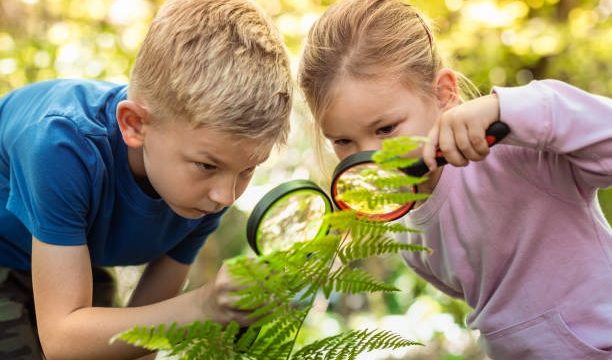
Field trips can also play a significant role in inspiring lifelong learning. An outing to a museum, nature reserve, or historical site can bring lessons to life in ways that traditional classroom settings may not. These experiences provide students with the opportunity to connect classroom concepts with real-world applications. The excitement of exploration outside the classroom can spark curiosity and a desire to learn more about the world around them.
Incorporating technology into the learning process can also enhance engagement. Digital tools and resources can offer interactive experiences that make learning more dynamic and accessible. Whether it’s using educational apps, virtual reality, or online research, technology can open up new avenues for exploration and understanding. By embracing these tools, educators can inspire students to be proactive in their learning, equipping them with skills they will carry into their futures.
Encouraging a growth mindset is another essential aspect of inspiring lifelong learning. When students understand that abilities and intelligence can be developed through effort and perseverance, they are more likely to embrace challenges and view failures as opportunities for growth. Activities that celebrate effort and resilience, rather than solely focusing on outcomes, can help instill this mindset. Simple reflections on personal progress can reinforce the idea that learning is a journey, not just a destination.
Integrating real-world problem-solving into the curriculum is a powerful way to engage students. Presenting them with challenges that require critical thinking and creativity can spark their interest and motivate them to seek solutions. For example, projects that address community issues or global challenges encourage students to apply their knowledge in meaningful ways. This not only enhances their learning experience but also fosters a sense of responsibility and connection to the world.
Cultivating a culture of curiosity is perhaps one of the most significant goals of an inspiring classroom. Encouraging students to ask questions, explore their interests, and pursue their passions creates an atmosphere where learning becomes a lifelong endeavor. Teachers can model this curiosity by sharing their own interests and inviting students to engage in discussions about various topics. When students see their educators as fellow learners, they are more likely to adopt a similar mindset.
Reflection is another key component of the learning process that can easily be woven into classroom activities. Providing time for students to think about what they have learned and how they can apply it in their lives encourages deeper understanding and retention. Journaling, group discussions, or creative projects that prompt reflection can help students articulate their thoughts and feelings about their learning experiences. This practice not only reinforces their knowledge but also emphasizes the importance of continuous learning.
Incorporating art and creativity into the classroom can also inspire a love for learning. Creative expression allows students to explore their thoughts and feelings in unique ways, making the learning experience more personal and meaningful. Whether through visual arts, music, or drama, these activities can foster creativity and encourage students to think outside the box. When students feel free to express themselves, they are more likely to take risks and embrace new ideas.
Ultimately, the goal of any classroom activity should be to inspire a genuine love for learning that extends beyond the school walls. By creating an environment that values exploration, collaboration, and creativity, educators can empower students to become lifelong learners. The activities mentioned here are just a few ways to spark curiosity and enthusiasm in the classroom. When students are encouraged to embrace knowledge as a lifelong journey, they are better equipped to navigate the ever-changing landscape of the world around them.
As we cultivate this love for learning, we not only enrich the lives of our students but also contribute to a more informed and engaged society. Inspiring lifelong learning is not just a goal; it is a gift we give to future generations. With every story shared, experiment conducted, and question asked, we create a ripple effect that encourages curiosity and exploration for years to come.