In the world of education, the importance of cultivating healthy study habits cannot be overstated.
As students navigate their academic journeys, the routines they establish can significantly impact their learning experiences and overall well-being.
By engaging in thoughtful classroom activities that nurture these habits, educators can help create an environment where students thrive academically and personally.
A small shift toward balance
One of the most effective ways to help students develop healthy study habits is to encourage balance in their approach to learning. This can begin with simple activities that promote mindfulness and self-awareness. For instance, starting the day with a brief mindfulness exercise can help students center themselves and focus on their tasks ahead. These moments of reflection can also foster a sense of community, as students share their thoughts and feelings about their learning experiences.
Incorporating activities that promote balance can take many forms. For example, teachers might introduce short breaks during lessons where students engage in stretching or light physical activity. These pauses not only refresh the mind but also encourage students to listen to their bodies and recognize when they need a moment to recharge. This kind of awareness is crucial in developing healthy study habits that last a lifetime.
Creating a supportive environment
Another essential aspect of building healthy study habits is creating a classroom atmosphere that supports collaboration and encouragement. Group activities can be a wonderful way to foster a sense of camaraderie among students. When they work together on projects or participate in discussions, they learn from one another and develop essential interpersonal skills. These collaborative experiences can also help students feel more comfortable seeking help, which is a vital component of effective studying.
In addition to group work, teachers can implement peer mentoring programs, where older or more experienced students guide their peers in academic subjects. This not only reinforces the mentor’s understanding of the material but also cultivates a sense of responsibility and leadership. By establishing a culture of support, students are more likely to develop a positive attitude toward learning and embrace challenges as opportunities for growth.
Nurturing curiosity through exploration
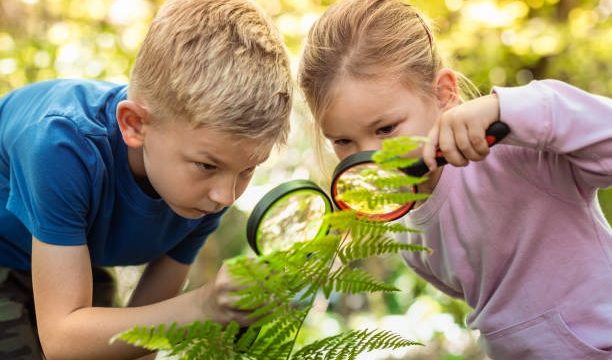
Encouraging curiosity is another powerful way to build healthy study habits. When students are allowed to explore topics that genuinely interest them, they are more likely to engage deeply with the material. Classroom activities that incorporate hands-on learning experiences can ignite this sense of exploration. For instance, organizing science experiments or creative art projects allows students to discover new concepts while having fun.
Moreover, allowing students to pursue independent projects based on their interests can foster a love for learning that goes beyond the classroom. By giving them the freedom to explore subjects they are passionate about, educators can instill a sense of ownership over their education. This not only helps students develop self-motivation but also teaches them how to manage their time effectively as they balance their interests with academic responsibilities.
Emphasizing the importance of reflection
Reflection plays a crucial role in solidifying healthy study habits. Encouraging students to take time to think about what they have learned and how they can improve their study techniques can lead to meaningful insights. Activities such as journaling or group discussions about learning experiences can be incredibly beneficial. By reflecting on their successes and challenges, students can identify effective strategies and areas for growth.
Incorporating regular reflection into the classroom routine can help students develop a growth mindset—an understanding that abilities can be developed through dedication and hard work. This mindset fosters resilience, allowing them to approach difficulties with a positive attitude.
Cultivating organization skills
Organization is a fundamental skill that underpins successful study habits. Classroom activities that promote organization can include teaching students how to set up their study spaces, maintain a planner, or create to-do lists for assignments. These practical skills can be integrated into lessons, where students can practice organizing their tasks and prioritizing their time effectively.
Additionally, educators can introduce tools and resources that help students manage their workload. Whether it’s digital apps or simple paper planners, providing students with the right tools empowers them to take control of their learning. When students feel organized, they are more likely to stay focused and motivated, leading to a more productive study environment.
Fostering a love for reading
Reading is a cornerstone of effective study habits. Encouraging a love for reading can be as simple as creating a cozy reading nook in the classroom or dedicating time for silent reading. Book clubs or reading challenges can also spark excitement and engagement among students, allowing them to explore various genres and topics.
When students discover the joy of reading, they not only enhance their comprehension skills but also develop a lifelong habit that benefits their overall education. By providing a variety of reading materials and encouraging discussions about what they’ve read, educators can help students cultivate a rich relationship with literature.
Encouraging goal setting
Goal setting is an important practice that can significantly influence a student’s academic journey. Classroom activities that involve setting short-term and long-term goals encourage students to envision their aspirations and work toward achieving them. This process can be made more engaging through creative projects, such as vision boards, where students visually represent their goals and the steps they need to take to reach them.
By regularly revisiting these goals, students can track their progress and celebrate their achievements, no matter how small. This practice not only reinforces a sense of accomplishment but also teaches valuable lessons about perseverance and the importance of staying focused on one’s objectives.
In conclusion, building healthy study habits in the classroom is a multifaceted journey that requires attention to balance, collaboration, curiosity, reflection, organization, a love for reading, and goal setting. Through thoughtfully designed activities, educators can create an environment that nurtures these essential skills, preparing students for success not only in their academic pursuits but also in their personal lives. By fostering a culture of support and exploration, we can empower the next generation to embrace learning as a lifelong adventure.