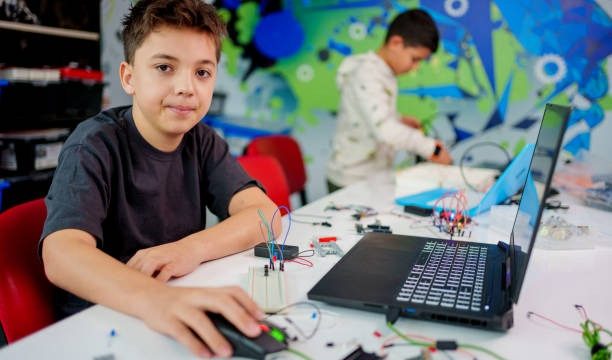
In today’s rapidly evolving world, the importance of STEM (science, technology, engineering, and mathematics) education is more apparent than ever.
As our society becomes increasingly reliant on technology and scientific understanding, equipping future generations with the skills to navigate this landscape is essential.
One of the most engaging and effective ways to introduce children to these vital areas of learning is through STEM kits. These hands-on learning tools have the power to ignite curiosity, foster creativity, and unlock a wealth of skills that can last a lifetime.
A gentle introduction to STEM
STEM kits come in a variety of forms, tailored to different age groups and interests. From simple building sets to complex robotics, these kits encourage children to explore concepts in a tangible way. Unlike traditional classroom learning, which can sometimes feel abstract, STEM kits provide a tactile experience that makes learning both enjoyable and memorable. As children engage with these materials, they are not just absorbing information; they are actively experimenting, problem-solving, and discovering.
One of the most beautiful aspects of STEM kits is their ability to bridge the gap between play and education. When children are allowed to explore and create in a playful environment, they are more likely to develop a genuine interest in the subjects at hand. This playful exploration can lead to those “aha” moments of understanding, where complex concepts suddenly click into place.
Nurturing creativity and critical thinking
At the heart of STEM education is the cultivation of critical thinking and creativity. These skills are not only important for academic success but are also invaluable in everyday life. As children work through challenges presented by their STEM kits, they learn to think analytically and approach problems from different angles. This process encourages them to be resourceful and resilient, qualities that will serve them well in all areas of life.
Moreover, STEM kits often encourage collaboration, especially when they are used in group settings. Children learn to communicate their ideas, listen to others, and work together to achieve a common goal. This collaborative spirit is vital in today’s interconnected world, where teamwork and cooperation are often the keys to success. As they navigate the challenges of building or programming, they also develop interpersonal skills that will be beneficial in their future endeavors.
The joy of discovery
There is something truly magical about the moment a child successfully completes a project with a STEM kit. The sense of accomplishment that follows is not just about the end product; it is about the journey taken to get there. Each misstep, each trial and error, contributes to a deeper understanding of the concepts involved. This process of discovery fosters a growth mindset, teaching children that challenges are opportunities for learning rather than obstacles to be avoided.
Parents and caregivers play a crucial role in this journey. By providing encouragement and support, they can help children navigate the ups and downs of experimentation. Celebrating small victories, no matter how minor they may seem, can instill a sense of pride and motivate children to keep exploring. Creating an environment where curiosity is nurtured can lead to a lifelong love of learning.
A small shift toward balance
In a world that often feels overwhelming, finding balance is essential for both children and adults. STEM kits can be a wonderful tool for promoting this balance, as they provide a constructive outlet for energy and creativity. Engaging with these kits can serve as a healthy distraction from screens and devices, allowing children to immerse themselves in hands-on activities that stimulate their minds and bodies.
Moreover, the act of building or experimenting can be a form of mindfulness. As children focus on the task at hand, they can find a sense of calm and presence in the moment. This is particularly beneficial in our fast-paced society, where the ability to slow down and concentrate can sometimes feel elusive. By integrating STEM activities into daily routines, families can create opportunities for connection and learning that enhance overall well-being.
Connecting with the community
STEM kits can also serve as a bridge to the wider community. Many local libraries, schools, and community centers offer programs centered around STEM education, often featuring kits as part of their curriculum. These programs can foster a sense of belonging and provide children with opportunities to engage with peers who share similar interests.
Additionally, many organizations are dedicated to promoting STEM education among underrepresented groups, ensuring that all children have access to these enriching experiences. By participating in community initiatives, families can not only support their children’s learning but also contribute to a greater cause. This sense of connection can be incredibly rewarding, as it allows families to come together around a shared passion for learning and discovery.
Embracing lifelong learning
As we nurture children’s curiosity through STEM kits, we also set the stage for lifelong learning. The skills and interests developed during these formative years can shape future educational and career paths. Children who engage with STEM concepts early on may find themselves drawn to fields such as engineering, computer science, or environmental science. However, even if their paths diverge from these areas, the critical thinking, creativity, and problem-solving skills they cultivate will remain invaluable.
Ultimately, the key to unlocking skills through STEM kits lies in fostering an environment of exploration and support. By encouraging children to ask questions, experiment, and embrace challenges, we empower them to take ownership of their learning. As they unlock new skills and discover their passions, they are not only preparing for future academic success but also for a fulfilling and vibrant life.
In the end, STEM kits are more than just educational tools; they are gateways to a world of possibilities. They invite children to dream, create, and explore, nurturing a love of learning that can last a lifetime. As we embrace these opportunities, we not only enrich our children’s lives but also contribute to a brighter future for all.