In the vibrant world of education, understanding the diverse ways in which students learn is essential for creating a nurturing environment.
Among these learning styles, visual learners stand out, often thriving when information is presented through images, diagrams, and spatial understanding.
Catering to these learners not only enhances their academic experience but also fosters a love for learning that can last a lifetime. Let’s explore some engaging classroom activities specifically designed for visual learners, allowing them to shine and connect with the material in meaningful ways.
Creating a visually stimulating classroom environment is a wonderful first step. Imagine walls adorned with colorful charts, inspiring quotes, and thought-provoking images. Such an atmosphere can ignite curiosity and invite students to explore their surroundings. When visual learners enter a space that speaks to their preferred style, they are more likely to engage with the content and feel a sense of belonging.
One effective activity is the use of mind maps. This technique encourages students to visually organize information, helping them see connections between concepts. A mind map begins with a central idea, branching out into related topics, images, and keywords. This not only aids memory retention but also allows visual learners to express their understanding creatively. Teachers can introduce mind mapping during lessons on complex subjects, guiding students to illustrate their thoughts and enhance comprehension.
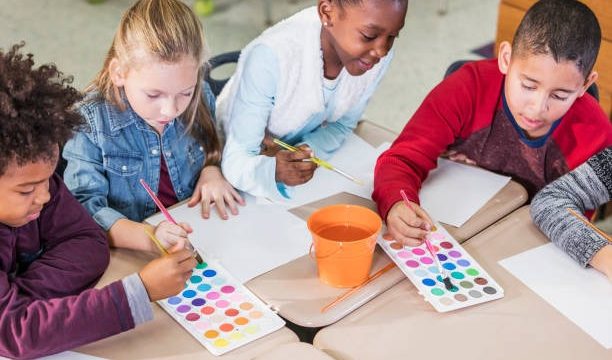
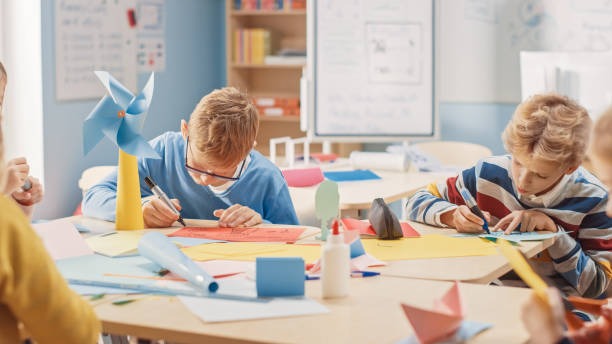
Incorporating art into lessons is another delightful way to engage visual learners. For instance, when exploring literary themes, students might create a visual representation of the narrative arc or character development. This could take the form of a collage, a storyboard, or even a digital graphic. By translating their understanding into a visual format, students reinforce their learning while indulging their creative impulses. Such projects can also be shared with classmates, fostering a sense of community and collaboration.
The power of storytelling can also be harnessed through visual means. Teachers might invite students to create a comic strip that summarizes a historical event, scientific process, or literary work. This activity encourages students to distill complex ideas into simple visuals, making the information more accessible. It also allows for personal expression, as each student’s interpretation will be unique. The combination of narrative and imagery can deepen understanding and make learning more enjoyable.
Another engaging activity involves the use of graphic organizers. These tools help students visualize relationships among ideas, making abstract concepts more concrete. For example, during a science lesson, a Venn diagram could be used to compare and contrast different ecosystems. By drawing and labeling these diagrams, students can see the similarities and differences in a way that resonates with their visual learning style. This approach not only aids comprehension but also enhances critical thinking skills.
Incorporating technology can further enrich the learning experience for visual learners. Digital platforms offer a plethora of resources, from interactive presentations to video content. Teachers might encourage students to create multimedia presentations using tools like slideshows or infographics. This not only allows for creativity but also helps students develop digital literacy skills that are increasingly important in today’s world. By blending technology with traditional learning, educators can cater to the diverse needs of their students while keeping the experience fresh and engaging.
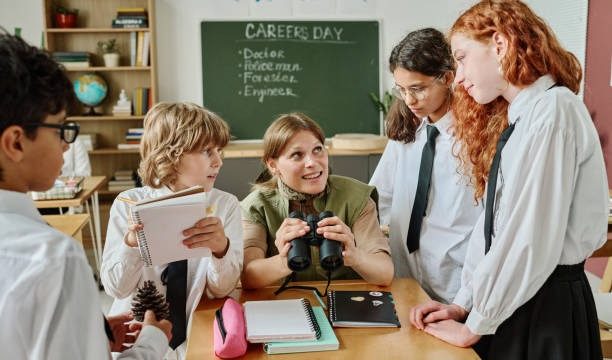
Field trips and hands-on activities are also invaluable for visual learners. Experiencing the world outside the classroom can provide context that enriches their understanding. For example, a trip to a museum can bring history to life, allowing students to engage with artifacts and exhibits directly. Similarly, a nature walk can enhance lessons about ecosystems or biology. These experiences create lasting memories and reinforce concepts in a way that textbooks alone cannot achieve.
Collaboration can be a powerful tool in the classroom, especially for visual learners who often thrive in group settings. Group projects that require visual components, such as creating a poster or designing a presentation, can promote teamwork and communication. Students can share ideas, divide tasks, and combine their artistic skills to produce something collectively. The social aspect of these activities is equally important, as it fosters a sense of belonging and community among peers.
As we consider the needs of visual learners, it’s essential to remember that flexibility is key. Every student is unique, and their learning preferences may vary. Offering choices in how they demonstrate their understanding can empower students and boost their confidence. For instance, allowing them to choose between a written report, a visual presentation, or a creative project can make a significant difference in their engagement levels. This autonomy not only respects their individual learning styles but also encourages them to take ownership of their education.
Ultimately, the goal of any classroom activity is to inspire a love of learning and help students connect with the material on a deeper level. By embracing the strengths of visual learners and integrating a variety of activities, educators can create a dynamic and inclusive learning environment. It’s about more than just imparting knowledge; it’s about fostering curiosity, creativity, and critical thinking.
As we look to the future of education, let us celebrate the diverse ways in which students learn and grow. By recognizing the unique contributions of visual learners and creating opportunities for them to thrive, we pave the way for a richer, more engaging educational experience. In the end, every student deserves to feel valued, understood, and inspired to explore the world around them. By embracing their individuality, we nurture not just better learners, but also more compassionate and curious individuals ready to make their mark on the world.