Language Arts Project Ideas for Class Success
In the world of education, language arts often stands as a cornerstone for student engagement and literacy development.
Whether you’re teaching young children or guiding high school students, fostering a love for language and literature can lead to a deeper understanding of the world around them.
Here, we explore a variety of project ideas that can ignite creativity, enhance comprehension, and inspire collaboration, all while ensuring class success.
A gentle approach to storytelling can open up new avenues of expression. One engaging project involves creating a class anthology. Students can contribute their own stories, poems, or essays, allowing them to explore different genres and styles. This not only promotes creativity but also instills a sense of ownership and pride in their work. As they compile their pieces, students can discuss themes, character development, and narrative structure, enhancing their analytical skills. Sharing their anthology with classmates or even parents can further enrich the experience, fostering a sense of community around language arts.
Incorporating technology into language arts can also be a delightful way to engage students. Consider a digital storytelling project where students create short films or presentations based on a book or story they have read. Using tools like video editing software or presentation platforms, students can delve into the characters’ motivations, the setting’s impact on the plot, and the underlying themes. This project encourages collaboration, as students can work in groups to brainstorm ideas, write scripts, and film their narratives. The final product not only showcases their understanding of the material but also builds essential digital literacy skills.
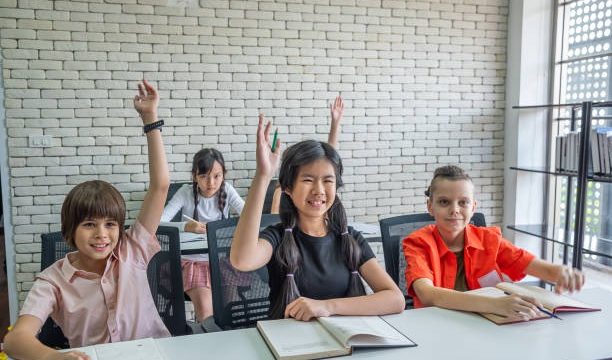
Another enriching project idea is the creation of a book club. By selecting a common text, students can engage in meaningful discussions about the story, characters, and themes. This project encourages critical thinking and helps students articulate their thoughts in a supportive environment. Teachers can guide discussions with open-ended questions, allowing students to express their interpretations and connect with their peers. To enhance the experience, students might create a visual representation of their favorite scene or character, adding an artistic dimension to their analysis.
Exploring the world of poetry can also be an inspiring journey for students. A poetry slam project invites students to write and perform their original poems in front of their classmates. This not only boosts their confidence but also encourages them to find their unique voice. As they craft their poems, students can experiment with different forms, such as haikus, sonnets, or free verse, allowing for a rich exploration of language. The performance aspect adds an exciting layer, as students learn to convey emotion and meaning through tone and body language. Hosting a poetry night for parents and the school community can amplify the impact, showcasing students’ talents and fostering a love for spoken word.
A small shift toward balance can be achieved through integrating literature with social issues. A project that involves researching a current event or social issue allows students to connect their language arts skills with real-world contexts. They can analyze articles, write persuasive essays, or create multimedia presentations to share their findings. This approach not only enhances their research and writing skills but also encourages empathy and awareness of the world around them. By discussing their projects in class, students learn to present their ideas respectfully and consider different perspectives.
Another engaging idea is to have students rewrite the ending of a well-known story. This project encourages creativity and critical thinking, as students must consider character motivations and plot development. They can present their new endings in various formats, such as written narratives, comic strips, or even short plays. This exercise not only deepens their understanding of narrative structure but also allows them to explore the “what if” scenarios that can change the trajectory of a story. Sharing these new versions with the class can spark lively discussions about the original text and the choices made by their peers.
Exploring different cultures through literature can also enrich students’ understanding and appreciation for diversity. A project focused on global literature invites students to read books from various cultures and then share their insights with the class. They might create cultural presentations, showcasing the historical context, traditions, and values reflected in the stories. This project not only broadens their literary horizons but also fosters respect and curiosity for different perspectives. By engaging with stories from around the world, students gain a deeper appreciation for the power of language to connect people across cultures.
The art of persuasive writing can be both fun and impactful. A project that involves writing letters to local officials about a cause they care about allows students to practice their persuasive skills while engaging with their community. They can research issues, formulate arguments, and express their opinions in a structured format. This project not only enhances their writing abilities but also empowers them to be active participants in their community. By sharing their letters with classmates and discussing their chosen causes, students learn the importance of advocacy and civic engagement.
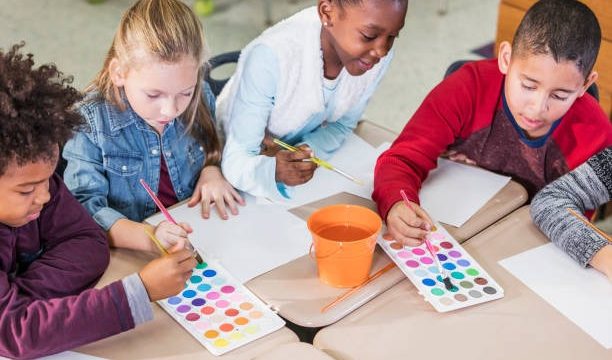
Lastly, incorporating art into language arts projects can create a delightful fusion of creativity and literacy. Students can illustrate scenes from their favorite books or create visual metaphors for key themes. This artistic expression allows them to interpret and engage with the text on a deeper level. Displaying their artwork in the classroom can create a vibrant learning environment and encourage discussions about the stories’ meanings and implications.
Language arts projects can be a gateway to creativity, critical thinking, and community engagement. By exploring various project ideas, educators can cultivate a rich learning environment where students feel empowered to express themselves and connect with the world around them. Whether through storytelling, poetry, or cultural exploration, these projects not only enhance language skills but also foster a lifelong love for learning. As students embark on these creative journeys, they not only succeed in their academic pursuits but also grow into thoughtful, engaged individuals ready to make their mark on the world.