In today’s fast-paced world, problem-solving skills are more important than ever.
Whether in the classroom or beyond, the ability to think critically and creatively can make a significant difference in navigating challenges.
For educators, fostering these skills in students is not just about preparing them for exams; it’s about equipping them for life. Engaging classroom activities can create an environment where students feel empowered to tackle problems, collaborate with peers, and express their unique perspectives. Let’s explore some enriching activities that can strengthen these vital skills.
Creating a collaborative atmosphere is a beautiful starting point. When students work together, they learn to communicate, negotiate, and brainstorm solutions effectively. Simple group projects can transform the learning experience. For instance, consider organizing a project where students must design a new product to solve a common problem, such as reducing plastic waste. This not only encourages creative thinking but also introduces them to the concept of sustainability. As they collaborate, they will discuss ideas, challenge each other’s thoughts, and ultimately arrive at a solution that reflects their combined efforts.
Another engaging approach is to incorporate real-world scenarios into the classroom. Role-playing exercises can be particularly effective in helping students develop empathy and critical thinking skills. By stepping into different roles, whether as a business owner, a community leader, or even an environmental activist, students can explore various perspectives on a problem. This method encourages them to think about the implications of their decisions and the broader impact on their community. It can be as simple as staging a mock town hall meeting where students debate a local issue, allowing them to practice articulating their points while considering opposing views.
As students navigate these activities, the importance of reflection becomes apparent. After each project or role-playing session, taking time to discuss what worked and what didn’t can deepen their understanding. Encouraging students to express their thoughts about the process fosters a growth mindset, where they see challenges as opportunities to learn rather than obstacles. This reflection can be facilitated through group discussions or personal journals, allowing them to articulate their experiences and insights.
Incorporating games into the learning environment is another effective way to enhance problem-solving skills. Strategy-based games, whether board games or digital formats, require players to think critically and plan ahead. These games can be adapted to align with the curriculum, allowing students to engage in friendly competition while honing their analytical skills. For instance, a game that involves resource management can teach students about economics and decision-making in a fun and interactive way. The key is to ensure that the games are inclusive and accessible, encouraging participation from all students.
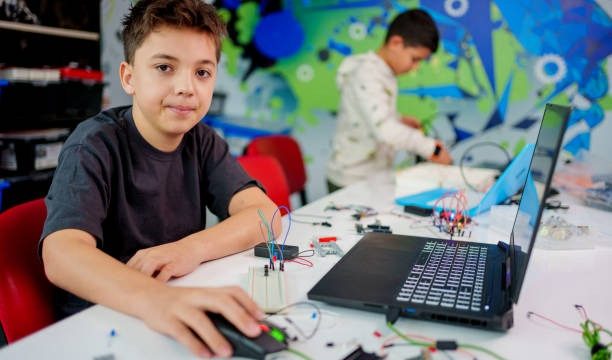
As we explore various activities, it’s essential to remember the role of technology in today’s classrooms. Digital tools can offer unique opportunities for problem-solving exercises. Online platforms that simulate real-world challenges, such as environmental issues or social dilemmas, can engage students in a way that traditional methods might not. These simulations can encourage critical thinking and collaboration, helping students to devise solutions in a safe and controlled environment. Moreover, integrating technology can also cater to different learning styles, making it easier for all students to participate.
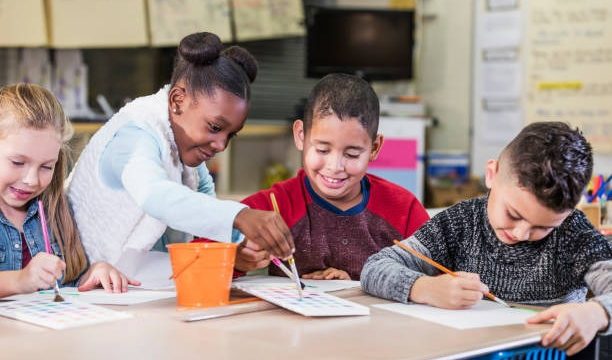
Art can also be a wonderfully expressive medium for problem-solving. Creative projects that involve visual arts, drama, or music can provide a unique outlet for students to explore complex ideas. For example, students might create a mural that represents a community issue they care about, allowing them to express their views while also engaging with their peers. This not only encourages creative thinking but also fosters a sense of community and shared responsibility. By bringing their ideas to life, students can see the tangible results of their collaborative efforts, reinforcing the value of teamwork.
As we weave all these activities into the classroom fabric, it’s important to cultivate an environment of trust and support. Students should feel safe to voice their ideas and take risks without fear of judgment. This nurturing atmosphere encourages exploration and curiosity, essential components of effective problem-solving. Educators can model this by sharing their own problem-solving experiences, demonstrating that challenges are a natural part of learning and growth.
In addition to fostering a supportive environment, recognizing and celebrating small achievements can further motivate students. Whether it’s completing a challenging project or overcoming a specific obstacle, acknowledging their efforts helps to build confidence. This recognition can take many forms, from verbal praise to displaying their work in the classroom. By highlighting progress, students are more likely to feel empowered to tackle future challenges.
Ultimately, the goal of these classroom activities is to equip students with the skills they need to thrive in an ever-changing world. By engaging them in collaborative projects, real-world scenarios, and creative expression, we can help them develop robust problem-solving abilities that extend far beyond the classroom walls. Each activity offers an opportunity for growth, encouraging students to approach challenges with curiosity and resilience.
As educators and mentors, let’s continue to inspire our students to embrace problem-solving as a valuable life skill. By fostering a culture of collaboration, creativity, and reflection, we can prepare them not just for academic success, but for a fulfilling and purposeful life. In the end, it is not just about finding the right answers; it’s about nurturing a mindset that seeks solutions and values the journey of discovery.