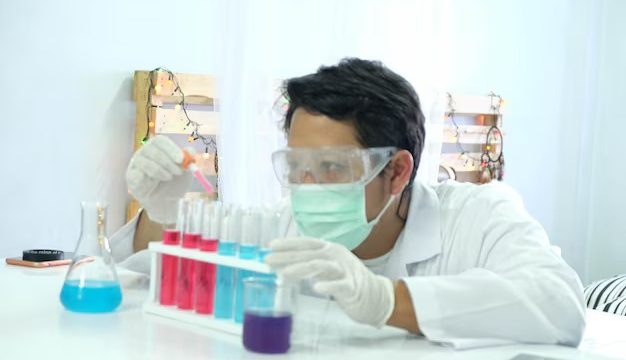
Writing an experiment section can feel like a daunting task, especially if you’re venturing into the world of research for the first time.
However, with a little guidance and a clear understanding of what this section entails, you can approach it with confidence and clarity.
Think of it as a gentle journey into the heart of your research, where you lay out your thoughts and findings in a way that is both structured and inviting.
Understanding the purpose
The experiment section serves as the backbone of your research paper. It’s where you detail the methods you employed, allowing readers to understand how you arrived at your conclusions. This section should be informative yet accessible, providing just enough detail for others to replicate your study if they wish. Remember, transparency in your methodology fosters trust and credibility in your research.
Crafting your narrative
When you begin writing the experiment section, it’s essential to weave a narrative that flows smoothly. Start by introducing the context of your experiment. What question are you trying to answer? Why is it important? By framing your experiment within a broader context, you engage your readers and help them appreciate the significance of your work.
As you describe your methods, aim for clarity. Use straightforward language and avoid jargon that might alienate those who are less familiar with your field. Instead of overwhelming your audience with complex terminology, focus on conveying your ideas in a way that feels inviting and approachable.
Describing your materials and methods
In this part of the section, you’ll want to detail the materials used in your experiment and the procedures followed. It’s helpful to organize this information logically, perhaps starting with the materials and then moving into the steps of your methodology. This way, readers can easily follow along and understand the processes you implemented.
When discussing materials, be specific yet concise. Include information about the equipment, substances, or subjects involved in your study. For instance, if you used a particular software or a specific type of measurement tool, mention it. However, there’s no need to delve into every minute detail; just provide enough information to give context.
As you outline your methods, consider using a narrative style. Rather than delivering a dry list of steps, tell a story about the experiment. Describe how you approached the problem, the decisions you made along the way, and any challenges you encountered. This not only makes your writing more engaging but also helps readers understand your thought process.
Navigating the results
Once you’ve laid out your methods, it’s time to discuss the results of your experiment. This section is where you can share the outcomes of your research, presenting the data in a clear and organized manner. While it’s tempting to dive deep into the statistics, remember that clarity is key. Use simple language and focus on the main findings.
Incorporate visuals when appropriate. Graphs, charts, or tables can help illustrate your results, making them easier for readers to digest. Just ensure that any visuals you include are labeled clearly and complement the text rather than overwhelm it.
Reflecting on your findings
After presenting your results, it’s essential to take a moment to reflect on what they mean. Discuss any patterns or trends you observed and how they relate to your initial hypothesis. This is an opportunity to connect the dots for your readers, guiding them through your thought process and helping them understand the implications of your findings.
Consider addressing any unexpected results or anomalies. Acknowledging these can add depth to your discussion and demonstrate your critical thinking skills. Remember, research is not always a linear path, and being open about the complexities of your findings can resonate with your audience.
Creating a cohesive narrative
As you finalize your experiment section, step back and look at the overall narrative you’ve crafted. Does it flow smoothly? Does it present a clear picture of your research journey? Revising your work can be incredibly beneficial. Take the time to read through your section with fresh eyes, ensuring that each part contributes to a cohesive whole.
Seek feedback from peers or mentors if possible. Sometimes, a different perspective can illuminate areas for improvement that you may have overlooked. Engaging with others can also spark new ideas about how to present your work more effectively.
The importance of clarity and precision
In the world of research, clarity and precision are essential. Your experiment section should be a reflection of these values. Aim to write in a way that is straightforward and devoid of ambiguity. This not only helps your readers understand your work but also enhances your credibility as a researcher.
As you write, consider your audience. While you may be familiar with the intricacies of your field, your readers may not share the same level of expertise. Strive to bridge that gap by presenting your work in a way that is both engaging and accessible.
Embracing the process
Writing the experiment section of your research paper is not just a task to be completed; it’s an opportunity for growth and exploration. Embrace the process and allow yourself the space to reflect on your work. Each experiment teaches us something new, and sharing that journey with others can inspire them in their own research endeavors.
By approaching your writing with a sense of curiosity and warmth, you can create an experiment section that resonates with readers and invites them into your world of research. Remember, the goal is not just to inform but to connect, to share the excitement of discovery, and to foster a community of learners eager to explore the unknown.