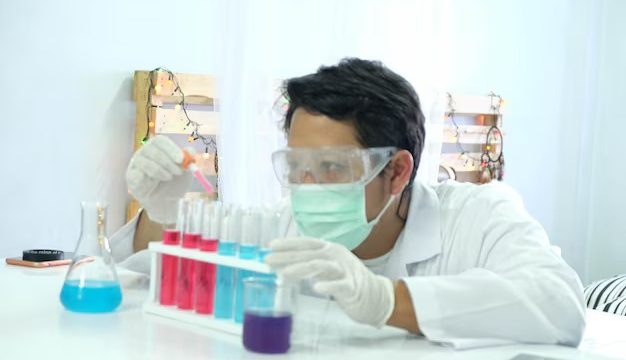
In the world of education, lab manuals often sit quietly on the shelves, waiting to be opened and explored.
They are invaluable tools, bridging the gap between theory and practice.
However, the real question is: How can we ensure these manuals do more than just gather dust? How can they support long-term learning and foster a deep understanding of scientific concepts?
A gentle exploration of this topic reveals that the effectiveness of lab manuals is not solely about the information contained within them.
It’s about how we engage with that information, how we connect it to our broader learning experiences, and how we can cultivate a culture of curiosity and inquiry.
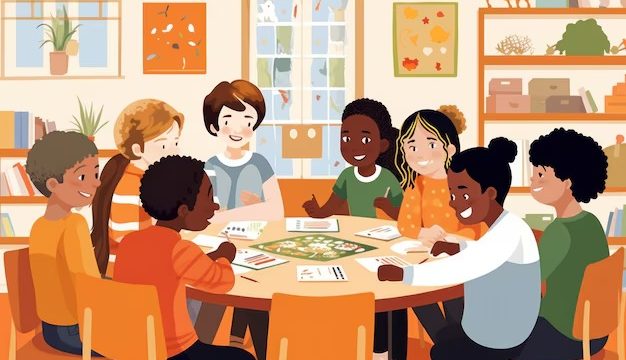
Creating a welcoming environment for learning is the first step. When students feel safe and encouraged to explore, they are more likely to dive into their lab manuals with enthusiasm. This sense of security can be nurtured by fostering positive relationships among peers and teachers, where questions are welcomed and mistakes are seen as stepping stones to understanding. A supportive atmosphere allows students to approach their lab work with an open mind, ready to learn and discover.
Another important aspect is the integration of lab manuals into a broader educational framework. Rather than treating these manuals as standalone resources, they should be woven into the fabric of the curriculum. This means connecting the experiments and procedures outlined in the manuals to the concepts taught in the classroom. By creating a seamless link between theory and practice, students can see the relevance of what they are learning, reinforcing their understanding and retention of the material.
Encouraging students to take ownership of their learning can also enhance the effectiveness of lab manuals. When students are given opportunities to contribute to the content or structure of their lab experiences, they become more invested in the process. This might involve allowing them to propose experiments, design their own procedures, or even collaborate on creating supplementary materials. When students feel that their voices are heard, their engagement deepens, and the learning experience becomes more meaningful.
As we consider long-term learning, we must also acknowledge the importance of reflection. After completing an experiment, it can be beneficial for students to take a moment to reflect on what they did, what they learned, and how it connects to their previous knowledge. This could be as simple as journaling about their experience or engaging in a group discussion. Reflection allows students to process their learning, identify areas for improvement, and solidify their understanding of the concepts explored in the lab manual.
Incorporating technology into the learning process can also play a significant role in enhancing the effectiveness of lab manuals. Online resources, interactive simulations, and digital collaboration tools can complement traditional lab experiences. For instance, students can access virtual labs that allow them to experiment in ways that may not be feasible in a physical classroom setting. This blend of traditional and modern approaches can cater to diverse learning styles and enhance the overall educational experience.
Moreover, it’s essential to keep the content of lab manuals current and relevant. Scientific knowledge is continuously evolving, and so should the materials we use in education. Regularly updating lab manuals to include the latest research, technologies, and methodologies ensures that students are learning the most accurate and applicable information. This not only deepens their understanding of the subject matter but also prepares them for future studies or careers in science.
A small shift toward balance can also make a significant difference. While it’s important to cover the required material, allowing for flexibility in how experiments are conducted can encourage creativity and innovation. Students should feel empowered to explore their own interests within the framework of the lab manual. This balance between structure and freedom can lead to a more engaging and fulfilling learning experience.
Collaboration is another key component in ensuring lab manuals support long-term learning. Encouraging students to work together on experiments fosters a sense of community and shared purpose. Through collaboration, students can learn from one another, share insights, and develop critical thinking skills. This teamwork not only enhances their understanding of the material but also prepares them for collaborative work environments in the future.
In addition, providing opportunities for mentorship can further enrich the learning experience. Pairing students with more experienced peers or educators can facilitate deeper learning. Mentors can guide students through complex concepts, offer support during experiments, and share their own experiences in the field. This relationship can inspire students and provide them with valuable perspectives on their educational journey.
As we consider the long-term implications of how we use lab manuals, it’s vital to remember the role of curiosity in learning. Encouraging students to ask questions, seek answers, and explore beyond the confines of the manual can cultivate a lifelong love of science. Curiosity drives innovation and discovery, and when students are encouraged to pursue their interests, they are more likely to retain knowledge and apply it in meaningful ways.
Ultimately, the goal of any educational tool, including lab manuals, should be to foster a love for learning that extends beyond the classroom. By creating a supportive environment, integrating content thoughtfully, encouraging reflection, and embracing collaboration, we can ensure that lab manuals are not merely instructional guides but gateways to a deeper understanding of the world around us.
As we move forward, let us remember that education is a journey, and every resource we use should enhance that journey, helping students to not only learn but to thrive. With a little intention and creativity, lab manuals can become cherished companions in the quest for knowledge, inspiring generations of curious minds along the way.