Supporting Children With Creative and Engaging Enrichment
In a world that constantly evolves, nurturing our children’s creativity and imagination has never been more important.
The days of traditional learning, where rote memorization was the norm, are gradually giving way to a more holistic approach.
Today, parents and educators alike recognize the value of enrichment, which fosters not only academic skills but also emotional and social development.
By weaving creativity into the fabric of daily life, we can help children thrive in ways that go beyond textbooks.
Creating a nurturing environment at home can significantly impact your child’s ability to engage with the world around them. Whether it’s through arts and crafts, music, or even storytelling, these activities encourage exploration and self-expression. The key is to provide opportunities that allow children to discover their passions and interests in a supportive setting.
A small shift toward balance
One effective way to begin this journey is to ensure that children have a balanced mix of structured and unstructured playtime. Structured activities, such as sports or music lessons, provide valuable skills and discipline, while unstructured play allows for creativity and imagination to flourish. This balance is essential in helping children learn to navigate their interests and develop a sense of autonomy.
Consider setting aside time each week for creative play. This could be as simple as an afternoon at home with art supplies spread across the table or a family outing to a local museum or art gallery. Engaging with the arts can spark curiosity and inspire children to think outside the box, fostering an appreciation for different cultures and ideas.
Encouraging exploration through nature
Nature is a wonderful teacher, and spending time outdoors can greatly enhance children’s creativity. Exploring parks, forests, or beaches can ignite curiosity and encourage children to ask questions about the world around them. Nature walks can become a treasure hunt, where children collect interesting leaves, rocks, or flowers, prompting discussions about their shapes, colors, and textures.
Incorporating nature into your home life can also be beneficial. Starting a small garden, whether it’s in your backyard or even just a few pots on a balcony, can teach children about responsibility and the joy of nurturing something to life. Gardening can be an enriching experience that combines science, art, and patience, allowing children to witness the beauty of growth firsthand.
Fostering collaborative spirit
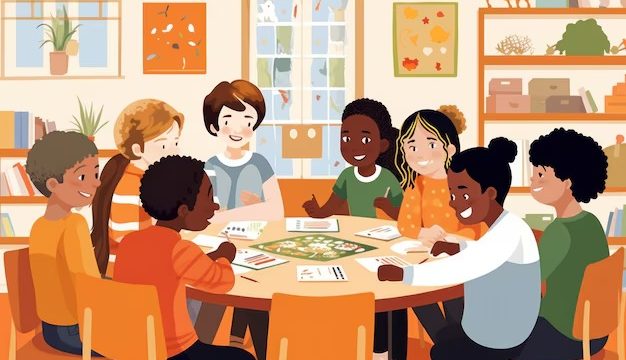
Another enriching activity that can help children develop critical social skills is collaborative projects. Encourage your children to work together on a creative endeavor, whether it’s building a fort, creating a mural, or putting on a play. These shared experiences not only enhance their problem-solving abilities but also teach them the importance of teamwork and communication.
You might also consider initiating family projects that involve everyone. This could be anything from cooking a new recipe together to crafting homemade gifts for friends or family. Such activities not only promote creativity but also strengthen family bonds, creating lasting memories that children will cherish.
The power of storytelling
Storytelling is another powerful tool for creativity. Reading together can open up new worlds and ideas for children, sparking their imagination and encouraging them to create their own narratives. You can enhance this experience by discussing the stories you read—asking questions about the characters, their motivations, and how the story might change if different choices were made.
Encouraging your child to tell their own stories can also be incredibly rewarding. This can be done through verbal storytelling, writing, or even drawing. Provide them with a blank notebook or a sketchpad where they can freely express their thoughts and ideas. This practice not only fosters creativity but also helps develop their communication skills and confidence.
Embracing technology mindfully
In today’s digital age, technology can play a significant role in enriching children’s creative experiences. Many applications and online resources are designed to inspire creativity, from digital art programs to music composition tools. However, it’s essential to approach technology mindfully, ensuring that it complements rather than replaces hands-on activities.
Encourage your child to create digital art or music, but balance this with physical activities that foster creativity. The goal is to create a harmonious blend of traditional and modern methods, allowing children to explore various forms of expression.
Cultivating a growth mindset
As children engage in creative activities, it’s crucial to cultivate a growth mindset. This means teaching them that mistakes are part of the learning process and that perseverance is key to success. Celebrate their efforts, regardless of the outcome, and encourage them to see challenges as opportunities for growth.
You can model this mindset by sharing your own experiences with creativity and learning. Discuss times when you faced obstacles and how you overcame them. This not only humanizes the process but also reassures children that it’s okay to struggle sometimes.
Connecting with the community
Another enriching aspect of creativity is community engagement. Many communities offer workshops, art classes, or performances that children can participate in. These activities provide an excellent opportunity for children to learn from others, collaborate with peers, and gain exposure to diverse perspectives.
Consider exploring local community centers, libraries, or cultural organizations for programs that align with your child’s interests. Engaging with the community not only broadens their horizons but also instills a sense of belonging and connection to the world around them.
In conclusion, supporting children with creative and engaging enrichment is a beautiful journey that requires patience, encouragement, and a sprinkle of fun. By fostering an environment filled with exploration, collaboration, and creativity, we can help our children develop skills that will serve them well throughout their lives. Embrace the process, celebrate their individuality, and watch as they blossom into imaginative, confident individuals ready to take on the world.